Ramo Senior focuses on rental pathways and housing decisions for seniors, balancing comfort, safety, and practical costs. This guide objectively explains what “Ramo Senior” typically represents in the rental senior-housing context, outlines how families compare options across English- and French-speaking countries, and presents a structured approach to identifying more affordable living setups.

Ramo Senior rentals are often discussed by families as a practical route into senior living—where the priority is usually stable housing, predictable living arrangements, and suitable support as needs evolve. While the phrase “Ramo Senior” may be used differently by platforms or local providers, the underlying decision logic remains consistent: choosing a residential setup that supports daily routines, offers an appropriate level of care (if needed), and fits a realistic budget.
This guide approaches the topic from an evidence-oriented perspective. It explains how families typically identify rental-friendly senior housing options, how official resources can help validate availability and pricing structure, and how to compare costs across regions without relying on unverified claims.
In senior housing discussions, “Ramo Senior” is top understood as a label describing a senior-focused accommodation pathway—commonly framed around rental-style arrangements, community living, and/or transitional residence while care needs are assessed. In many markets, these options can span:
From an industry lens, the very important takeaway is not the label itself, but the service bundle: the accommodation terms plus the expected care and support level.
Rental-based senior living decisions often hinge on details that are easy to overlook:
For “Ramo Senior” style choices, families benefit very from an approach that uses official and institutional references to validate categories, terminology, and the typical range of options.
In rental senior housing, it’s common for families to focus on the published monthly rate, but the actual financial burden often appears through the combination of:
Because those components can be packaged differently, two communities can appear to offer “similar rent” while one includes significantly more services in the base payment. That is why the comparison process should treat the monthly fee as a starting point, not a final figure.
Families searching for lower-cost senior living options often start with directories and guidance pages that explain care types and pricing concepts. For English-speaking countries, widely referenced resources include:
| Organization | Core value for low-cost comparisons | Typical use during research |
|---|---|---|
| AARP | Explains senior living categories and selection criteria | Helps interpret options like independent living, assisted living, and memory care |
| SeniorLiving.org | Offers searchable community information and comparative context | Used to narrow down communities by amenities and care types |
| NSCLC (National Senior Citizens Law Center) | Focuses on rights and service-related advocacy context | Helps families understand questions to ask about housing and care-related obligations |
| NASMM (National Association of Senior Move Managers) | Connects seniors with certified move support services | Useful for transition planning, which can reduce avoidable costs during moves |
source:
https://www.aarp.org/caregiving/life-planning/senior-living/ — source of information
https://www.seniorliving.org/ — source of information
https://www.nsclc.org/ — source of information
https://www.nasmm.org/ — source of information
Finding more affordable senior living is rarely a single-step process. A methodical workflow helps reduce uncertainty and avoids late-stage pricing surprises.
Families often ask, “Do we need assisted living yet?” But many providers will instead ask something more granular: whether the resident can complete essential tasks safely. To avoid overpaying, you can prepare a simple “needs snapshot” that translates everyday challenges into care categories. Consider documenting:
This step supports a more accurate matching process. Even if a provider doesn’t require formal documentation early, your “needs snapshot” gives you a baseline for comparing which community can meet those needs without rapidly upgrading to a higher-cost package.
When families say they want rental-style housing, they usually want at least two forms of flexibility:
To assess rental-like flexibility, families should scrutinize:
Families who treat contract reading as a standard part of evaluation tend to reduce risk—particularly for scenarios where health status changes unexpectedly.
For French-speaking markets, research often focuses on residence models and quality frameworks in addition to price. The goal is similar—finding the top match between autonomy needs, safety standards, and cost—but the terminology and market structure may differ.
source:
https://www.senioriales.com/ — source of information
https://www.retraiteplus.fr/ — source of information
https://www.fnaqpa.fr/fr — source of information
Although local systems vary, families commonly follow a comparable logic when looking for rental-oriented senior housing or cost-contained residence models.
Even when providers use similar words—like “résidence,” “services,” or “accompagnement”—families should assume that each establishment defines services differently. One residence might include periodic housekeeping or transportation inside a fixed package, while another might treat those as separate paid add-ons.
To interpret service levels accurately, families can ask for a written list of “what’s included in the monthly fee” and “what becomes billable if needs change.” If a provider describes services verbally, request the same information in writing. Written details reduce misunderstanding and create a basis for comparison.
Families also benefit from asking about practical continuity: if a resident develops mobility difficulties, what happens next? Is there a defined pathway (assessment → service adjustment → possible transfer)? Or is the resident simply expected to “renegotiate” informally each time conditions change?
The ranges below focus on rental cost ranges only. Actual prices can vary by room size, location micro-market, contract terms, included services, and availability. Families should treat these as starting estimates and validate with each provider’s published or quoted rate sheets.
| Country | City Type | Price Range |
|---|---|---|
| United States | Large city | Approximately $2,000–$4,000 per month |
| United States | Smaller city | Approximately $1,000–$2,000 per month |
| United Kingdom | Large city | Approximately £1,500–£3,000 per month |
| United Kingdom | Smaller city | Approximately £800–£1,500 per month |
| Australia | Large city | Approximately AUD 2,000–AUD 3,500 per month |
| Australia | Smaller city | Approximately AUD 1,200–AUD 2,000 per month |
| Spain | Large city | Approximately €800–€1,500 per month |
| Spain | Smaller city | Approximately €400–€800 per month |
| Peru | Large city | Approximately PEN 1,500–PEN 3,000 (about $400–$800) per month |
| Peru | Smaller city | Approximately PEN 800–PEN 1,500 (about $200–$400) per month |
| Argentina | Large city | Approximately ARS 30,000–ARS 60,000 (about $300–$600) per month |
| Argentina | Smaller city | Approximately ARS 15,000–ARS 30,000 (about $150–$300) per month |
| Mexico | Large city | Approximately MXN 10,000–MXN 20,000 (about $500–$1,000) per month |
| Mexico | Smaller city | Approximately MXN 5,000–MXN 10,000 (about $250–$500) per month |
| France | Large city | Approximately €1,200–€2,500 per month |
| France | Other city | Approximately €600–€1,200 per month |
| Germany | Large city | Approximately €1,000–€2,000 per month |
To assess genuine cost-effectiveness, families can use a simple model that transforms “advertised rent” into a clearer total. Even if you don’t know the future care level, you can estimate conservative scenarios.
Consider building three scenarios:
Once you have those, you can compare communities on their financial resilience. A residence that appears slightly more expensive in Scenario A may be far less expensive in Scenario B or C, especially if its transition pathway is clearly defined and priced transparently.
“Low cost” in senior housing can be misleading if the comparison ignores services. Consider using a structured checklist aligned with an industry-style due diligence process:
In practice, a slightly higher base rent can be the better value if it reduces add-on fees or provides a stronger pathway to support when needs evolve—an important consideration when exploring Ramo Senior rental models.
Below are cost categories that frequently surface later in the process. Not all will apply in every country or community, but they are common enough that families should ask direct questions.
As a rule, whenever a facility uses flexible language like “additional services available” or “fees may apply,” ask for the exact pricing schedule. If they can’t provide it upfront, that’s a red flag for families who are trying to budget.
| Comparison condition | What to verify | Why it matters for Ramo Senior rental decisions |
|---|---|---|
| Monthly rate structure | Line-item breakdown and service inclusions | Prevents budget gaps when optional services become necessary |
| Contract and mobility | Length expectations, notice periods, and transfer rules | Clarifies flexibility if health status changes |
| Eligibility and assessment | Admission screening and required documentation | Reduces the risk of late-stage disqualification or delays |
| Care pathway | How assisted living or specialist support is accessed | Protects continuity of care without abrupt cost spikes |
| Quality and rights | Policy transparency and escalation/complaint pathways | Supports safe decision-making using credible guidance sources |
Families benefit from using a consistent script when asking providers for information. Below is an expanded, practical set of questions grouped by topic. You can copy parts of it into emails or print it for tours.
A) Base rent and included services
B) Add-on services and rate schedule
C) Care reassessment and transition rules
D) Eligibility and screening
E) Contract terms and exit conditions
F) Quality, staffing, and safety
G) Resident life and dignity
Families comparing senior living can feel overwhelmed by promotional materials. Marketing often highlights a calm environment, social activities, and “wellness.” Those elements matter, but quality also shows up in operational details. When assessing quality, consider:
When a provider can’t answer basic questions or avoids providing a line-item rate breakdown, families may be facing a scenario where they pay later for services that should have been included or clearly priced upfront.
A tour is one of the most valuable steps because it lets you test whether the environment supports daily life. For rental senior living options, consider a tour checklist that addresses movement, safety, autonomy, and real-life operations.
Movement and layout
Bathroom safety
Emergency preparedness
Daily rhythm
Staff presence
Ask about “real scenarios”
Instead of asking only general questions, consider asking targeted hypotheticals:
Families often evaluate senior housing through two competing lenses: budget control and family peace of mind. Ramo Senior rental discussions tend to reflect a desire for predictable costs and stable routines, especially when adult children or spouses are coordinating care.
To align expectations, families can define what “success” means for them, such as:
This “success definition” can guide the comparison process and make it easier to decide between two communities that are close in price.
Many seniors and families want the best possible blend: independence now, appropriate support later. When evaluating rental-friendly options, it helps to consider how the community balances those two values.
Practical indicators include:
In other words, the “care readiness” concept should not mean “prepay for future care.” Instead, it should mean selecting an environment that can support gradual changes without chaos.
Although legal frameworks differ by country and state/province, families can reduce risk by treating the contract and admissions process as a key part of their evaluation. Even if you aren’t a legal expert, you can ask providers to clarify:
In English-speaking contexts, rights-focused resources such as NSCLC help families identify strong questions about responsibilities, notice periods, and dispute handling. In French-speaking contexts, quality federations and guidance platforms can provide frameworks for better evaluation and accountability.
A move into senior housing is often financially and emotionally complex. While the rent itself is a major line item, move-related costs can add up, especially if the move is urgent or poorly planned. NASMM in English-speaking contexts connects seniors with certified move managers, and this type of professional support can help families:
In practice, a well-managed transition can prevent costly last-minute changes. Even if a provider’s rent is “low,” a chaotic move can create additional expenses that offset those savings.
Many families consult directories, but they don’t always use guidance resources in a way that improves decision accuracy. Here is a practical workflow for using official and credible references while you compare Ramo Senior rental options:
This workflow is particularly useful when families are navigating multiple options across cities or when they need to compare like-for-like services.
It’s tempting to assume that the difference between large and smaller city pricing reflects only demand. In reality, costs in urban areas can include more expensive staffing, higher service wages, and different availability patterns. However, smaller cities may not always provide the same level of specialized support, and families should verify:
Therefore, comparing city types requires a quality check—not only a pricing check. A “lower” monthly cost in a smaller city may come with trade-offs in specialized services or transition speed.
To make the decision logic concrete, consider a few typical family situations. These are generalized examples to illustrate how the “true cost” and “care pathway” often matter more than advertised rent alone.
Scenario 1: Currently independent but at risk of decline
Imagine a resident who is currently independent but has intermittent mobility issues and occasional medication confusion. In Scenario A, they may appear to fit an independent living model. The key question becomes: if medication support is needed later, how much will it cost, and how quickly can it be added?
A provider with clear add-on pricing and a straightforward escalation process may be more cost-effective than a cheaper option that requires a full move to a higher tier with new fees.
Scenario 2: Early assisted living needs with predictable support
Another family might have a loved one who needs help with bathing and toileting but is stable overall. The monthly cost may be manageable, but families should ensure the “included” ADL assistance is actually included in the base rate rather than charged per extra visit. Asking for a rate sheet for common needs helps reduce uncertainty.
Scenario 3: Memory-care risk and the cost of delay
If cognitive needs are increasing, families may worry about whether a lower-cost independent living option will “hold” them until memory care is required. The decision logic should treat memory care transitions as a potential high-cost event, and families should check reassessment timing, transfer availability, and whether interim care is possible.
Because health trajectories are unpredictable, budgeting should include some contingency. A conservative approach is to:
This approach can prevent “budget shock” if support requirements rise faster than expected.
Families evaluating rental senior housing should be especially attentive to accessibility. Safety features are not merely comfort improvements; they can reduce fall risk and increase independence. When exploring Ramo Senior rental models, consider assessing:
In cost comparisons, a community that offers better safety design may appear slightly more expensive but could reduce additional costs tied to emergencies, injuries, or rapid service upgrades.
Families often try to gauge whether staff will respond quickly, but responsiveness is hard to measure without structured questions. During tours and calls, families can ask:
Even if providers don’t provide a numerical response time, their explanations can reveal maturity of operations. Clear, confident processes tend to correlate with higher reliability.
One of the biggest concerns in senior housing is avoiding sudden moves when health status changes. A key part of rental decision logic should therefore include:
In some cases, families can pay more for a facility that offers a seamless pathway internally. In other cases, external care partnerships can achieve similar continuity. The point is not whether care is internal or external; it’s whether continuity and timing are predictable and contractually defined.
“Ramo Senior” is commonly used as a descriptive label in rental-focused senior living conversations. In practice, the exact meaning depends on the platform or local provider using the term. Families should confirm the provider’s actual services, contract terms, and care pathway before making a decision.
Ask for a line-item monthly breakdown: base rent plus recurring services (meals, housekeeping, transportation, and care-related add-ons). Also request a written explanation of how costs change if support needs increase.
Focus on inclusion details, safety features (especially in bathrooms and mobility routes), medication support processes if relevant, staff responsiveness, and the procedure for reassessment or transfers to higher support levels.
They are useful as initial estimates, not final quotes. Pricing can differ substantially based on room size, neighborhood micro-location, occupancy timing, and what services are included. Always validate with current provider pricing.
Directory and guidance sources like AARP and SeniorLiving.org can help interpret care categories and compare communities. Rights- and advocacy-oriented resources such as NSCLC can be useful for understanding questions to ask. For logistics during relocation, NASMM can connect families with certified move managers.
Guidance platforms such as Retraite Plus can support matching families to appropriate residence types, while organizations like Senioriales emphasize independent senior residence models. Quality-focused groups like FNAQPA can help families evaluate providers based on service standards.
For very families, the top approach is to balance both. A low base rent may become expensive if add-on care is required quickly. Conversely, a moderate rent with clear care escalation pathways can be more predictable and cost-effective over time.
If future needs are uncertain, choose the option that provides transparent add-on pricing, a clear reassessment timeline, and continuity in transition. Request a description of what changes when care needs increase so you can estimate “Scenario B” and “Scenario C” costs.
In many markets, they are distinct, but the boundaries vary by provider. Some communities offer independent living with services and optional support, while others may require transfer to a separate assisted living wing once dependence exceeds certain thresholds. Always ask for the functional criteria used to move between levels.
Use a like-for-like approach. Ask both providers to quote the same care level scenario and provide a line-item breakdown of included services and add-ons. If possible, request a written rate sheet for common support tasks so you can compare outcomes rather than just base rent.
Choosing Ramo Senior rentals is less about finding a single “low price” option and more about building a reliable decision framework: define the current level of support, compare like-for-like inclusions, validate contract terms, and use credible references to reduce uncertainty. When families combine cost estimates (rental ranges) with provider-specific line-item quotes and transparent care pathways, they typically make decisions that are both practical and sustainable.
1) The above information comes from online resources, and the data is as of October 2023. 2) For more information, please refer to the official website.
https://www.aarp.org/caregiving/life-planning/senior-living/
https://www.seniorliving.org/
https://www.nsclc.org/
https://www.nasmm.org/
https://www.senioriales.com/
https://www.retraiteplus.fr/
https://www.fnaqpa.fr/fr





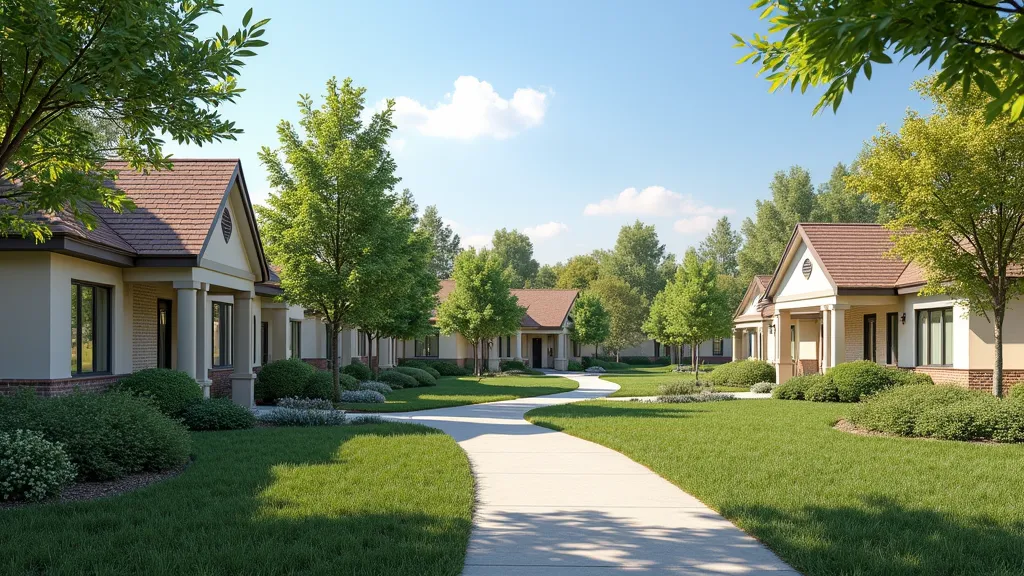
Discover the top single-family homes and independent living communities for seniors near you.
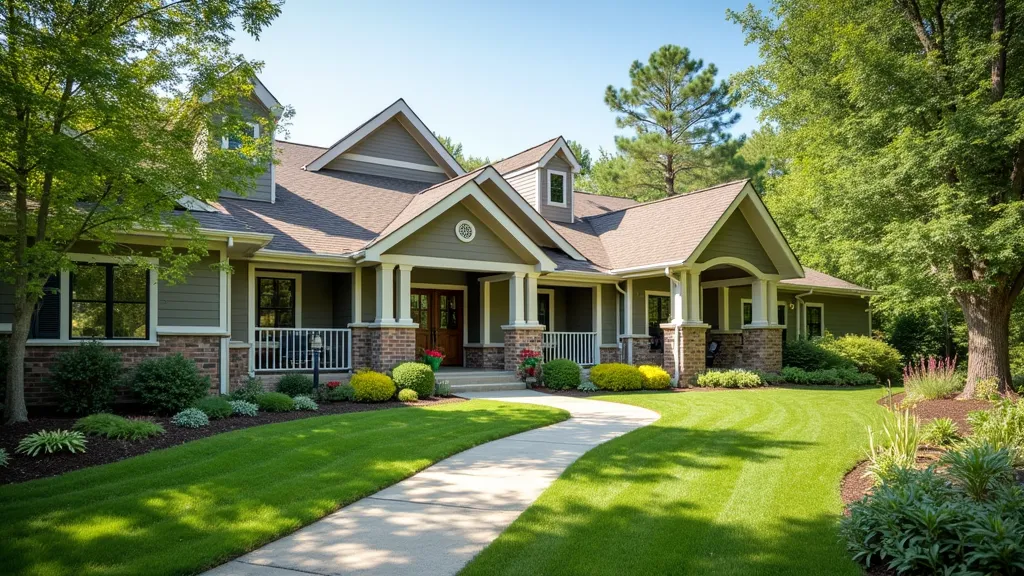
Explore the top senior independent living and affordable apartments near you, including over 55 communities that promote a vibrant lifestyle.

Explore the differences between assisted living and independent living communities for seniors to find the top fit for your needs.

Discover affordable independent living communities for seniors near you, featuring 55+ apartments and assisted living options tailored for older adults.

Explore senior apartments and communities designed for 55+ residents, offering comfort, convenience, and camaraderie.
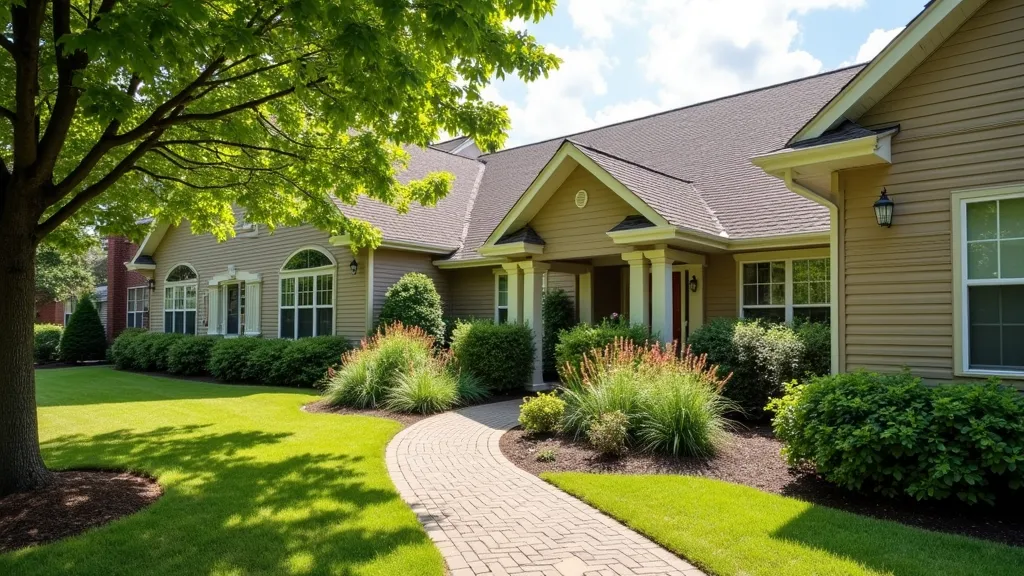
Explore various senior living options including independent, assisted living, and over 55 communities near you.

Explore senior independent living options, eligibility criteria, and thriving over 55 communities near you for a fulfilling lifestyle.

Explore vibrant senior independent living options in 55+ communities near you, tailored for an active lifestyle.