Dental emergencies can occur unexpectedly and often lead to significant pain and discomfort. Understanding how to manage these situations effectively is crucial for maintaining oral health. This article will provide a guide on what constitutes a dental emergency, the types of emergency dental services available, and the steps you should take during a dental crisis.

A dental emergency is any situation that requires immediate attention to alleviate pain, control bleeding, treat infections, or save a tooth. Common scenarios include:
Emergency dental services vary by provider, but generally include:
A: Handle the tooth by the crown, rinse it with water, and try to place it back into the socket. If not possible, store it in milk or saline and get to a dentist within 30 minutes.
A: If you have severe swelling or a high fever accompanying dental pain, or if there is significant trauma to the face or jaw, visiting the hospital may be necessary.
A: Regular dental check-ups, maintaining proper oral hygiene, and wearing protective gear during sports can significantly reduce the risk of dental emergencies.
A: Coverage for emergency dental services can vary by insurance provider. It's advisable to check with your insurance company regarding coverage details.
Navigating dental crises can be daunting, but understanding the types of dental emergencies and knowing how to respond can significantly reduce stress and lead to successful outcomes. Familiarize yourself with local emergency dental services and keep their contact information readily available. Regular preventive care is the best strategy to minimize emergencies in the first place.
American Dental Association (ADA) - www.ada.org
The British Dental Journal - www.nature.com/bdj
Centers for Disease Control and Prevention (CDC) - www.cdc.gov






Tooth loss can significantly affect not only an individual's appearance but also their overall oral health. When a tooth is lost, the surrounding teeth can shift, leading to misalignment, increased plaque buildup, and potential periodontal issues. This article will discuss how dental implants can maintain oral health after tooth loss and provide practical guidance for individuals considering this restorative option.
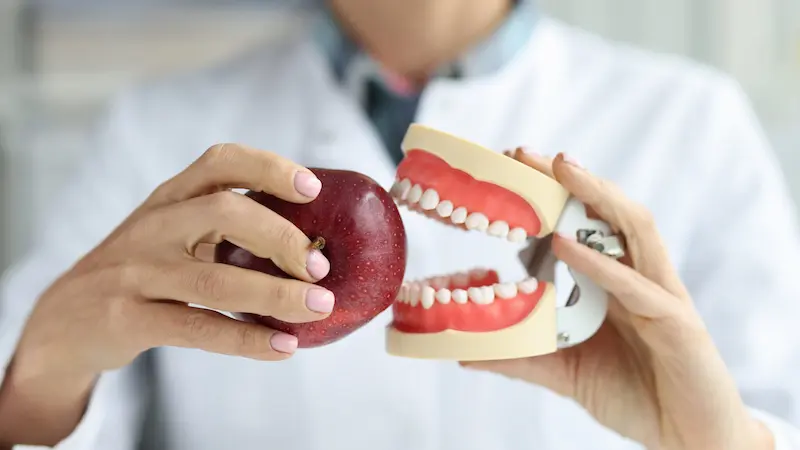
As society advances, the significance of oral health, particularly among the elderly population, has garnered increasing attention. One of the essential developments in this realm is the emergence of dental implants, which provide a viable solution for individuals suffering from tooth loss.
This article aims to provide an objective overview of the benefits, maintenance, and best practices related to dental implants for the elderly, enabling them to maintain optimal oral health.
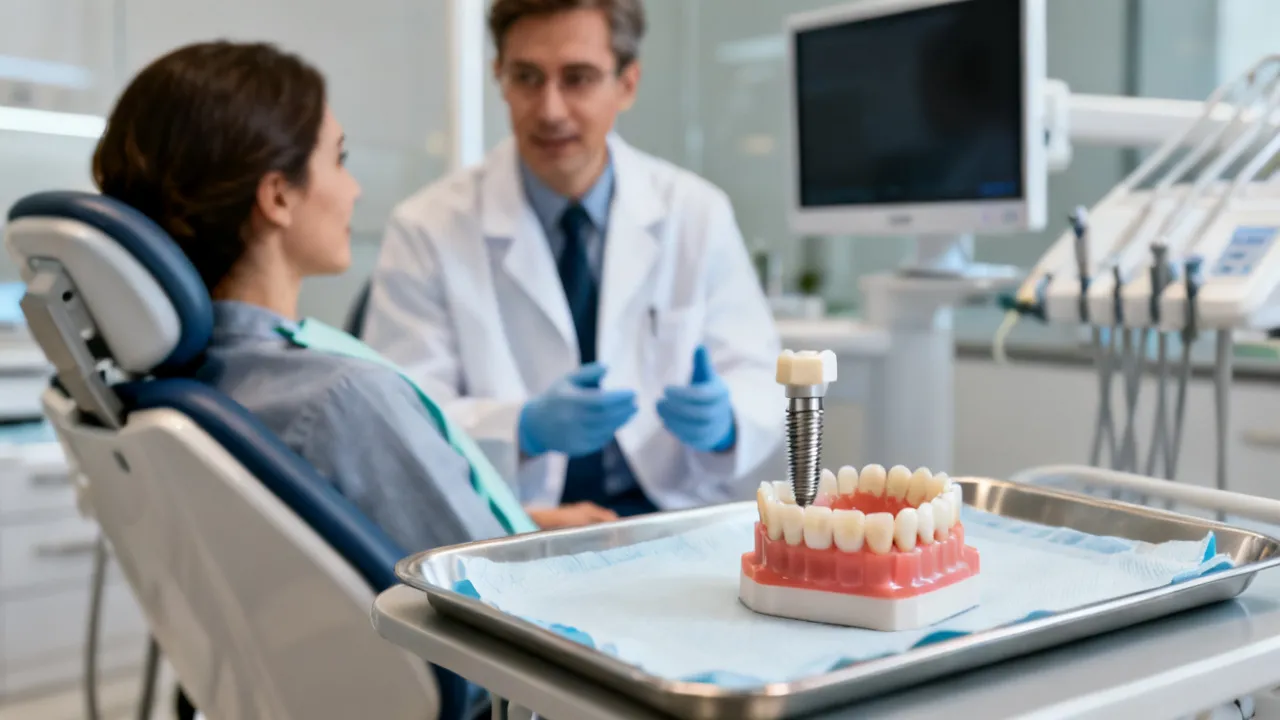
This guide explains what people usually mean by “Affordable Dental Implants,” outlines the realities of implant treatment pathways, and shows how to reduce total costs through low-cost implant programs, insurance, and dental tourism. It also compares example cost ranges across regions and provides an expert checklist before you commit.
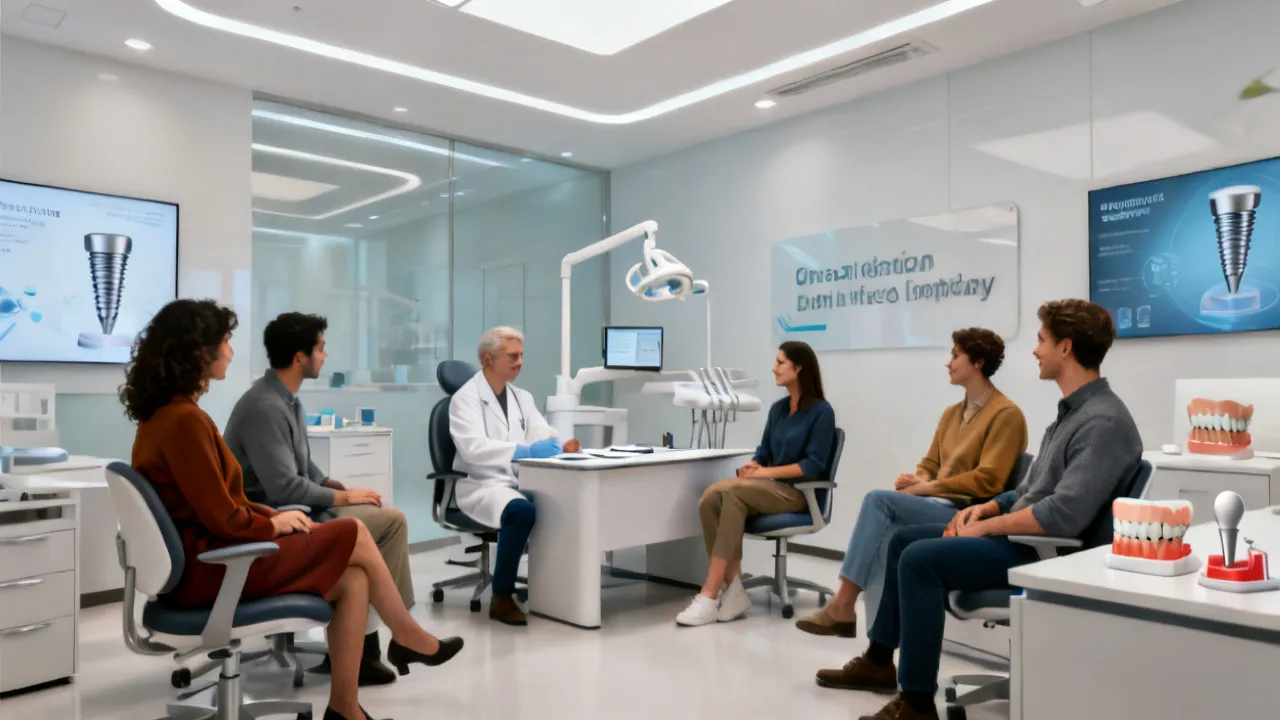
This guide explains how people evaluate Affordable Dental Implants options that may involve discount programs, insurance coordination, or treatment financing. It reviews what dental implant care typically includes, common price drivers, and how to compare providers using objective criteria. You’ll also find cost ranges by country, a step-by-step plan for pursuing lower-cost implant treatment, and practical FAQs.

This guide explains how “Affordable Dental Implants” programs typically work in real-world dental care. It reviews objective options such as low-cost implant pathways, dental tourism considerations, and insurance-style plans, then outlines eligibility factors, selection criteria, and a practical cost-range overview across major English-, Spanish-, and Portuguese-speaking markets.
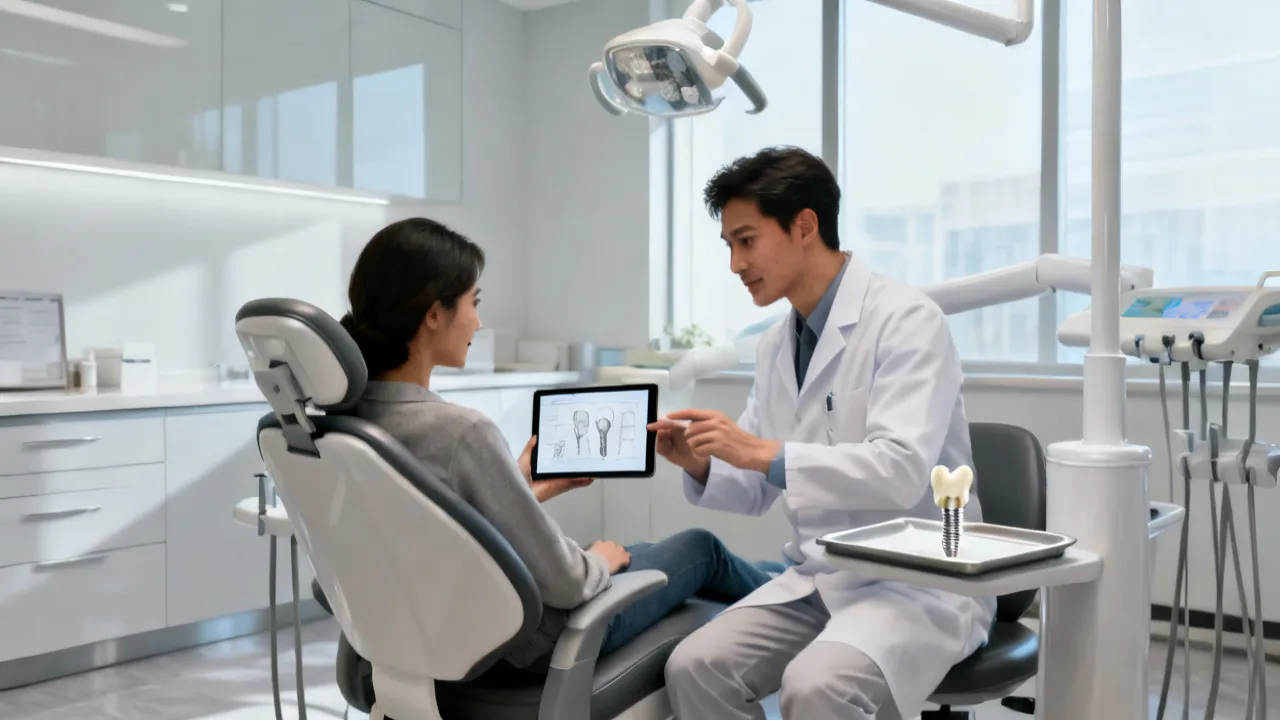
This guide explains how “Affordable Dental Implants” offers are typically structured and what patients should verify before scheduling. It also compares reputable low-cost implant information sources, outlines step-by-step pathways to reduce implant expenses, and provides practical cost-range benchmarks across major English-, Spanish-, and Portuguese-speaking countries.
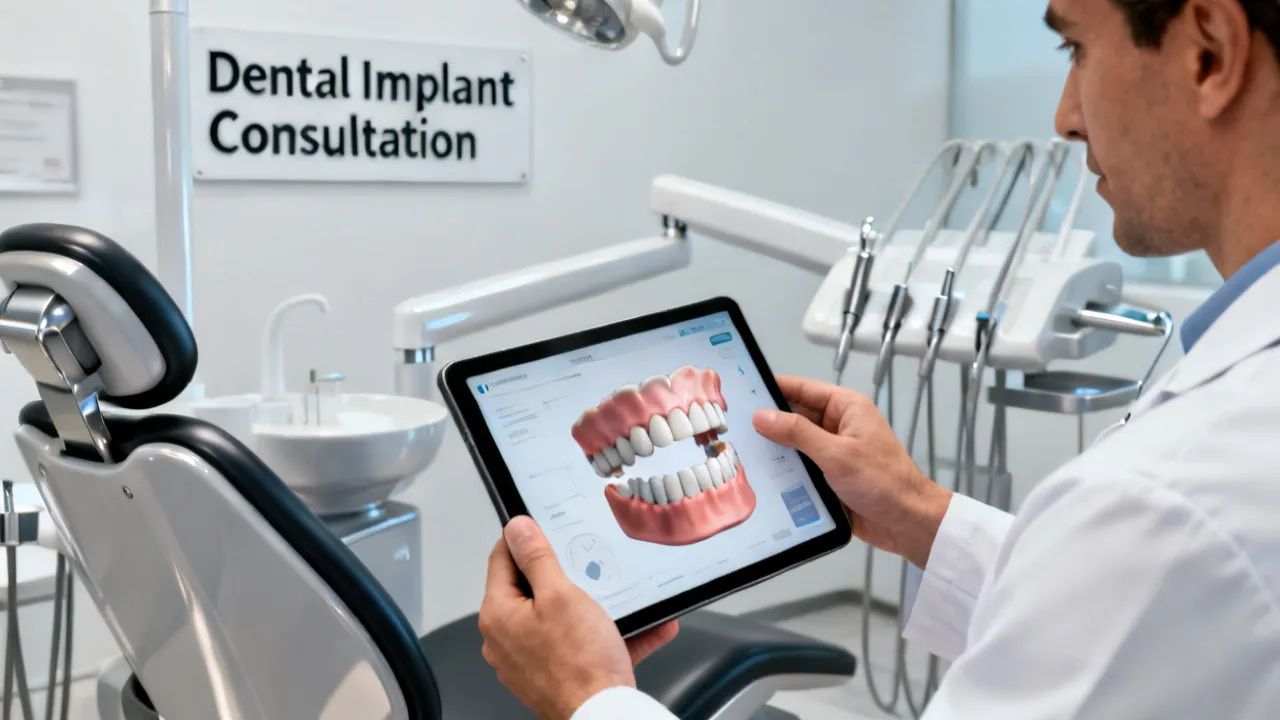
This expert guide explains how “dental implants” can be financed or obtained through lower-cost pathways, including clinic promotions, insurance planning, and dental tourism. It also compares information sources for cost-focused implant care, outlines practical steps for evaluating providers, and reviews typical single-implant cost ranges across major language regions.
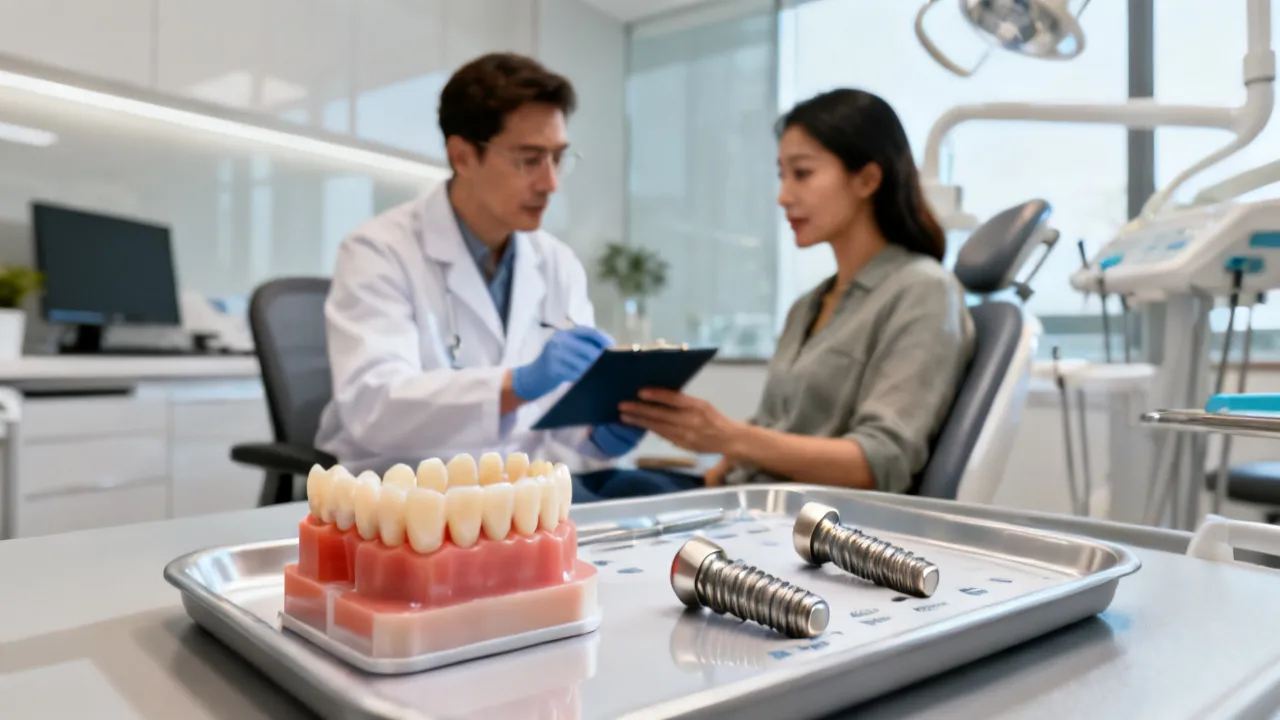
This guide explains Affordable Dental Implants options and how “low-cost” implant pathways work in English-, Spanish-, and Portuguese-speaking regions. It covers what to expect clinically, how pricing is structured, and how patients can plan for affordability through insurance, financing, and dental tourism. Clear cost ranges, vetted resources, and FAQs are included.