Discover the costs, financing options, and affordable choices for dental implants near you.
Dental implants are a popular solution for replacing missing teeth. They provide a natural-looking appearance and function similarly to real teeth. However, one of the primary concerns for individuals considering dental implants is the cost. In this article, we will explore the average costs of dental implants, financing options available, and how to find affordable solutions for full mouth dental implants near you.
The cost of dental implants can vary significantly based on several factors, including the type of implant, the number of teeth being replaced, and the location of the dental practice. On average, the cost of a single dental implant can range from $3,000 to $4,500. This price typically includes the implant itself, the abutment, and the crown. However, for those needing multiple implants or complete mouth restoration, the costs can escalate quickly.
1. **Location**: Costs can vary by region. Urban areas or regions with a higher cost of living typically have higher dental implant prices.
2. **Type of Implants**: Different materials and types of implants (e.g., titanium vs. zirconia) can affect the overall cost.
3. **Additional Procedures**: If you need bone grafting, sinus lifts, or other preparatory surgeries, these will add to your total expenses.
4. **Dentist’s Experience**: Highly experienced and specialized dentists may charge more for their services.
Financing dental implants can be a daunting task, especially with the high costs. Here are some options to consider:
Same day dental implants, also known as "immediate load implants," allow patients to have their implants placed and restored in a single visit. This option is particularly appealing for those who want to avoid multiple appointments. The costs for same day implants can be higher due to the technology and skill involved. However, they offer convenience and can be less disruptive to your daily life.
Full mouth dental implants can be significantly more expensive than single implants, often costing anywhere from $20,000 to $50,000 or more. However, there are ways to find affordable options:
Finding affordable dental implants near you requires some research. Here are some tips:
The average cost ranges from $3,000 to $4,500 per implant, but full mouth restorations can be significantly more expensive.
Yes, many dental offices offer payment plans, and there are medical credit cards and personal loans available for financing dental work.
Same day dental implants allow for the placement of implants and crowns in a single visit, providing immediate results.
Research local dental practices, compare prices, inquire about financing options, and consider dental schools for lower-cost services.
Dental implants are a valuable investment in your oral health and overall well-being. While the costs can be significant, understanding your options for financing and exploring affordable solutions can make dental implants more accessible. Whether you need single implants, full mouth restoration, or same day implants, there are resources available to help you navigate this journey. Don’t hesitate to reach out to dental professionals near you to discuss your needs and find the top solution for your situation.






Tooth loss can significantly affect not only an individual's appearance but also their overall oral health. When a tooth is lost, the surrounding teeth can shift, leading to misalignment, increased plaque buildup, and potential periodontal issues. This article will discuss how dental implants can maintain oral health after tooth loss and provide practical guidance for individuals considering this restorative option.
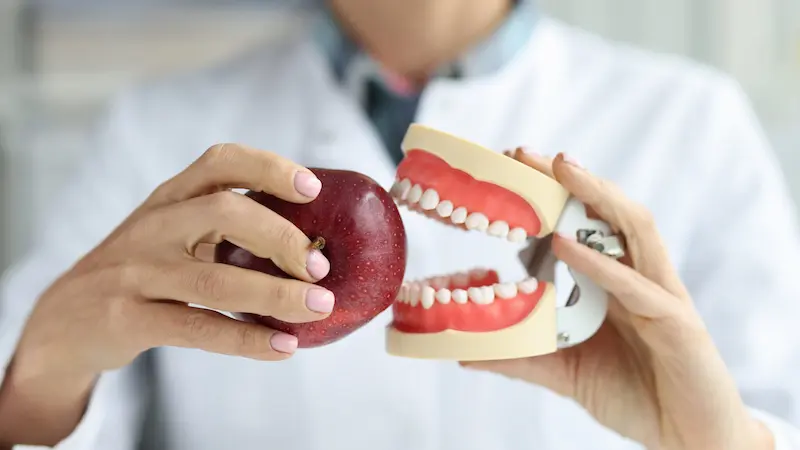
As society advances, the significance of oral health, particularly among the elderly population, has garnered increasing attention. One of the essential developments in this realm is the emergence of dental implants, which provide a viable solution for individuals suffering from tooth loss.
This article aims to provide an objective overview of the benefits, maintenance, and best practices related to dental implants for the elderly, enabling them to maintain optimal oral health.
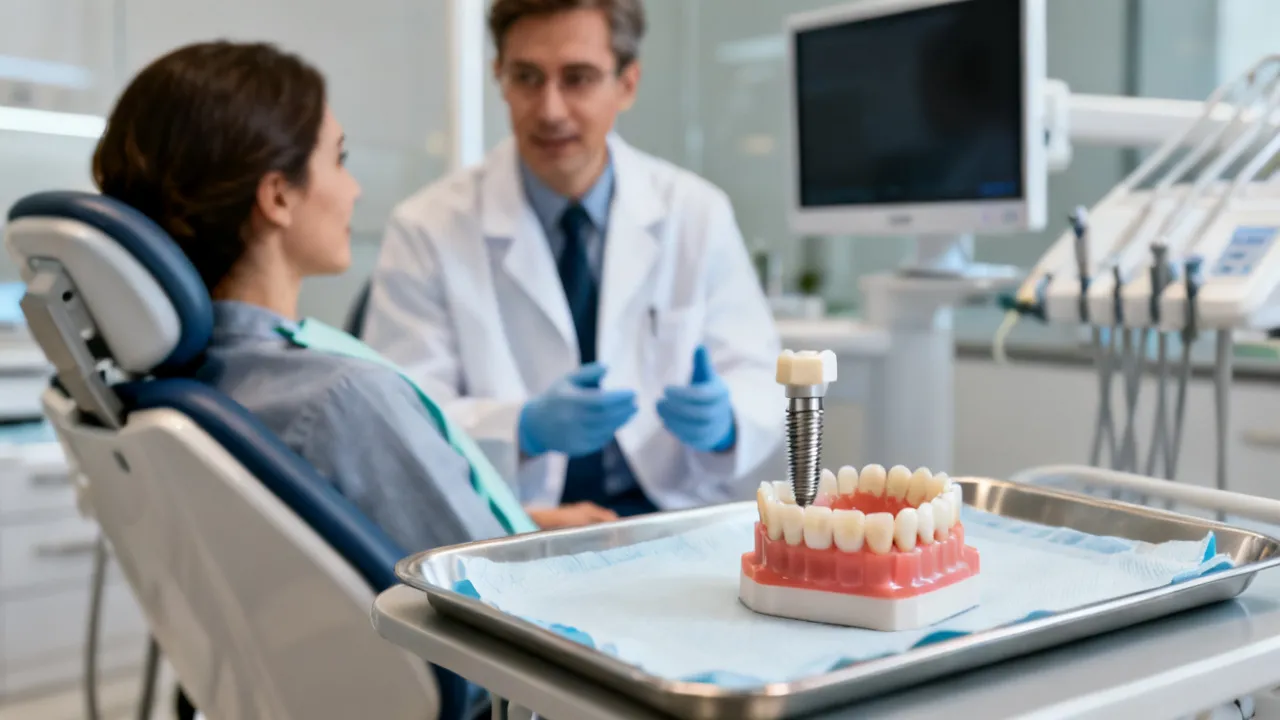
This guide explains what people usually mean by “Affordable Dental Implants,” outlines the realities of implant treatment pathways, and shows how to reduce total costs through low-cost implant programs, insurance, and dental tourism. It also compares example cost ranges across regions and provides an expert checklist before you commit.
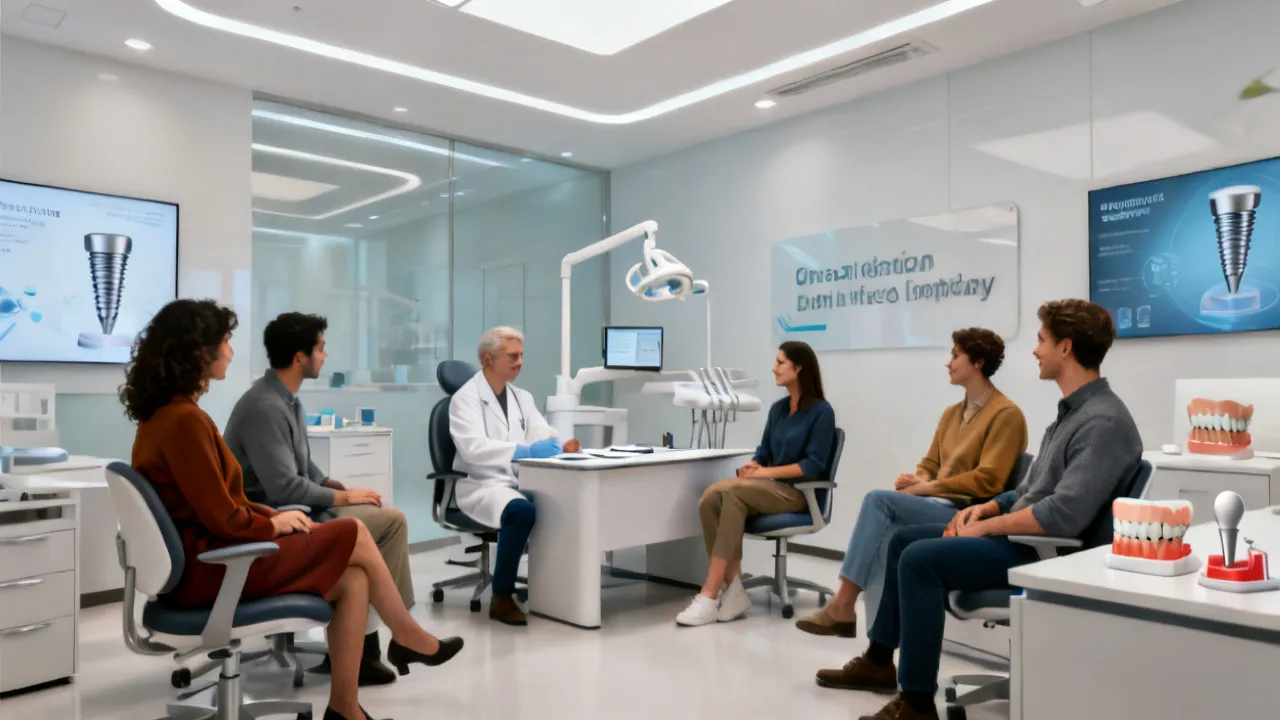
This guide explains how people evaluate Affordable Dental Implants options that may involve discount programs, insurance coordination, or treatment financing. It reviews what dental implant care typically includes, common price drivers, and how to compare providers using objective criteria. You’ll also find cost ranges by country, a step-by-step plan for pursuing lower-cost implant treatment, and practical FAQs.
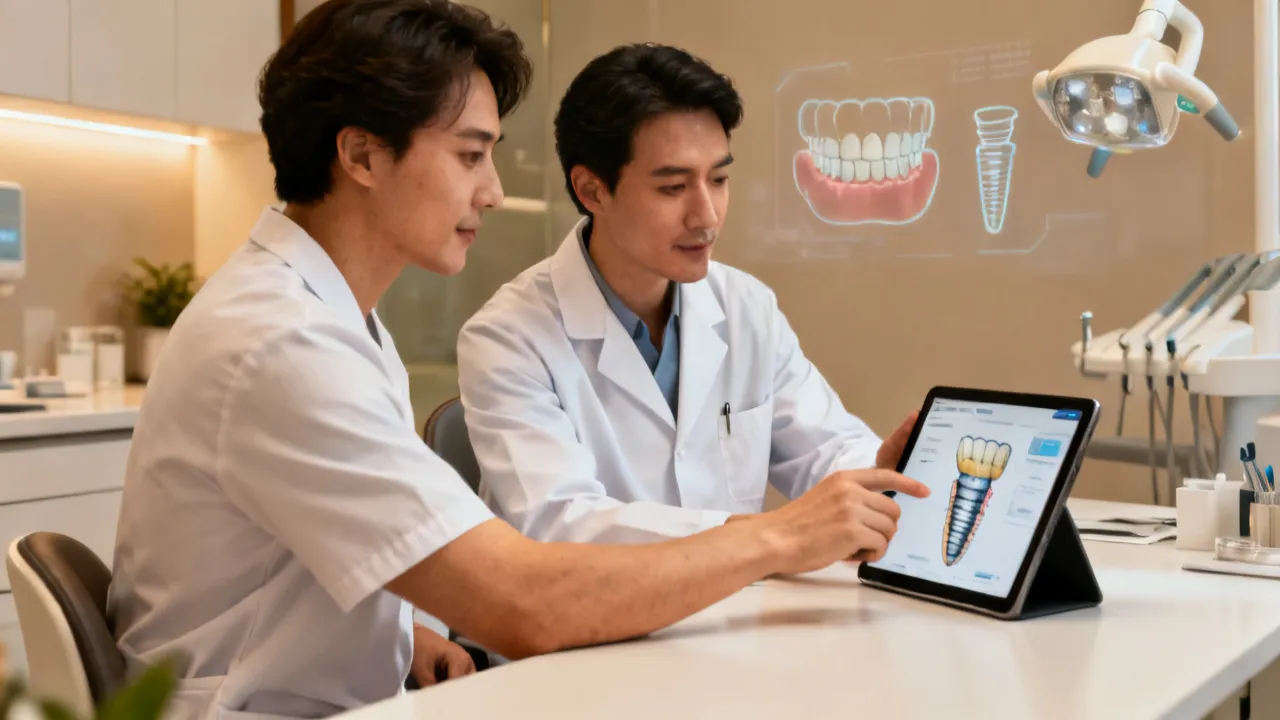
This guide explains how “Affordable Dental Implants” programs typically work in real-world dental care. It reviews objective options such as low-cost implant pathways, dental tourism considerations, and insurance-style plans, then outlines eligibility factors, selection criteria, and a practical cost-range overview across major English-, Spanish-, and Portuguese-speaking markets.
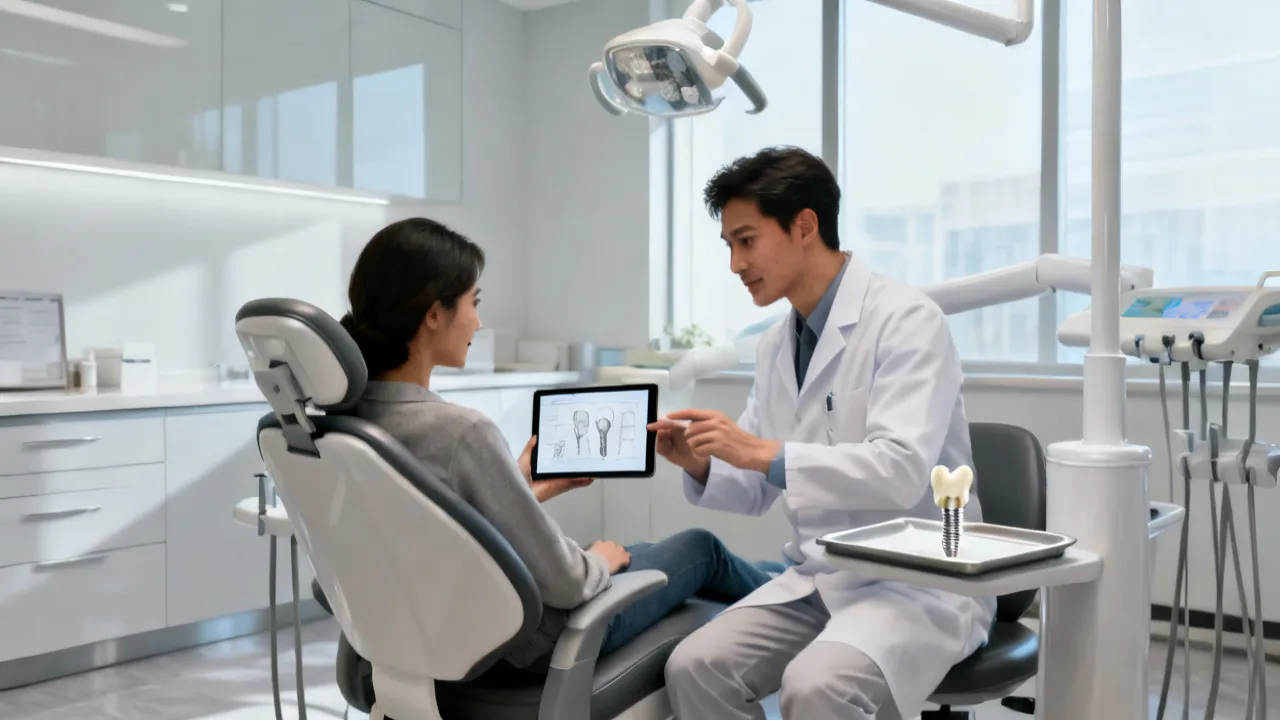
This guide explains how “Affordable Dental Implants” offers are typically structured and what patients should verify before scheduling. It also compares reputable low-cost implant information sources, outlines step-by-step pathways to reduce implant expenses, and provides practical cost-range benchmarks across major English-, Spanish-, and Portuguese-speaking countries.
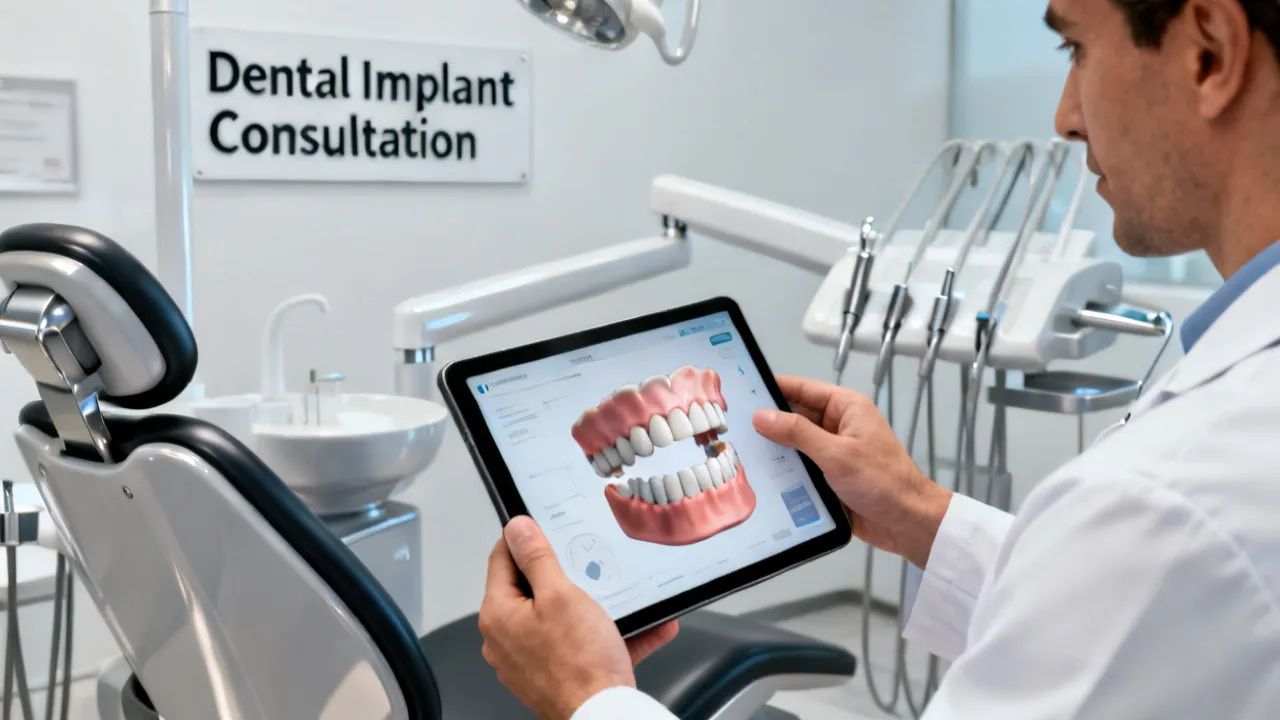
This expert guide explains how “dental implants” can be financed or obtained through lower-cost pathways, including clinic promotions, insurance planning, and dental tourism. It also compares information sources for cost-focused implant care, outlines practical steps for evaluating providers, and reviews typical single-implant cost ranges across major language regions.
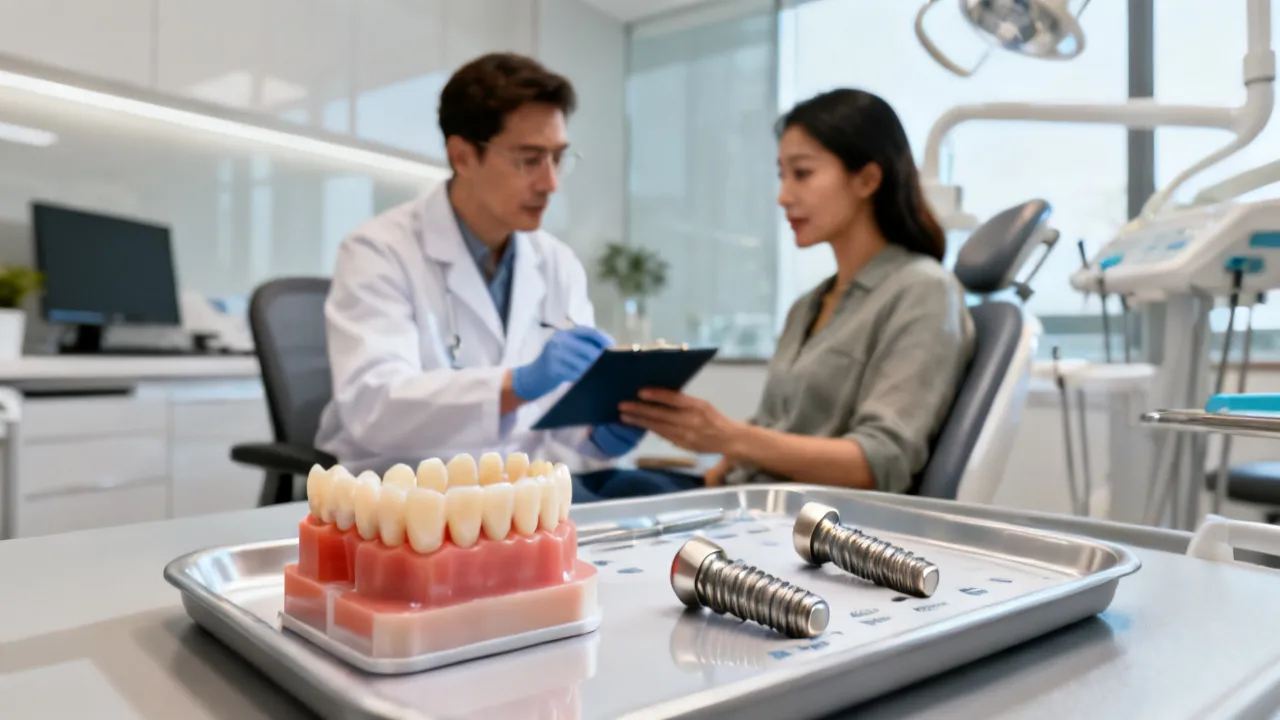
This guide explains Affordable Dental Implants options and how “low-cost” implant pathways work in English-, Spanish-, and Portuguese-speaking regions. It covers what to expect clinically, how pricing is structured, and how patients can plan for affordability through insurance, financing, and dental tourism. Clear cost ranges, vetted resources, and FAQs are included.