Discover affordable full mouth dental implants, their pricing, and how to fix your teeth near me for a brighter smile.

Full mouth dental implants have emerged as a revolutionary solution for those suffering from extensive tooth loss or damage. These implants provide a good solution for missing teeth, allowing individuals to regain their confidence and enjoy a functional smile. Unlike traditional dentures, which can shift and cause discomfort, full mouth dental implants are securely anchored into the jawbone, mimicking the natural tooth structure. This article explores the benefits, eligibility, and costs associated with these good dental implants.
Full mouth dental implants involve the strategic placement of multiple implants in the jaw to support a complete set of artificial teeth. This approach provides a stable and long-lasting solution for patients who may have lost many or all of their teeth due to decay, injury, or other dental issues. The implants are made of titanium and fuse with the jawbone through a process called osseointegration, ensuring a strong and durable foundation for replacement teeth.
There are several benefits to opting for affordable full mouth dental implants, including:
Before proceeding with full mouth dental implants, a thorough evaluation is necessary. Dentists will assess factors such as:
Consulting with a qualified dentist will help determine if you are a suitable candidate for this procedure.
One of the very significant considerations when exploring full mouth dental implants is the cost. Prices can vary widely based on several factors, such as:
On average, the cost of full mouth dental implants can range from $20,000 to $40,000 per arch, depending on these variables. It’s essential to discuss financing options with your dental care provider, as many offer payment plans or accept dental insurance to help manage costs.
If you’re considering full mouth dental implants, searching for “fix my teeth near me” can yield a list of local dental specialists. When choosing a dentist for this procedure, consider the following:
The journey to a new smile with full mouth dental implants generally involves several key steps:
After receiving full mouth dental implants, proper care is vital for their longevity. Here are some aftercare tips:
Very patients report minimal discomfort during and after the procedure, thanks to anesthesia and pain management techniques.
With proper care, full mouth dental implants can last a lifetime, making them a worthwhile investment.
Very adults can qualify for implants, but individual assessments are necessary to determine candidacy based on health and bone density.
The healing process can take several months, but many patients return to normal activities within a few days post-surgery.
Many dental offices offer financing plans, and some insurance policies may cover part of the costs associated with dental implants.
In conclusion, affordable full mouth dental implants provide an excellent solution for restoring your smile and confidence. With their numerous benefits and the chance to find specialists near you, there’s never been a better time to consider this life-changing dental procedure.






Tooth loss can significantly affect not only an individual's appearance but also their overall oral health. When a tooth is lost, the surrounding teeth can shift, leading to misalignment, increased plaque buildup, and potential periodontal issues. This article will discuss how dental implants can maintain oral health after tooth loss and provide practical guidance for individuals considering this restorative option.
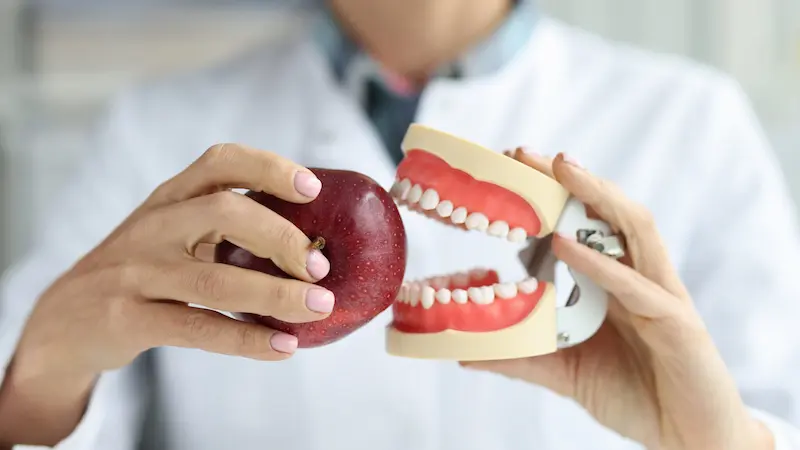
As society advances, the significance of oral health, particularly among the elderly population, has garnered increasing attention. One of the essential developments in this realm is the emergence of dental implants, which provide a viable solution for individuals suffering from tooth loss.
This article aims to provide an objective overview of the benefits, maintenance, and best practices related to dental implants for the elderly, enabling them to maintain optimal oral health.
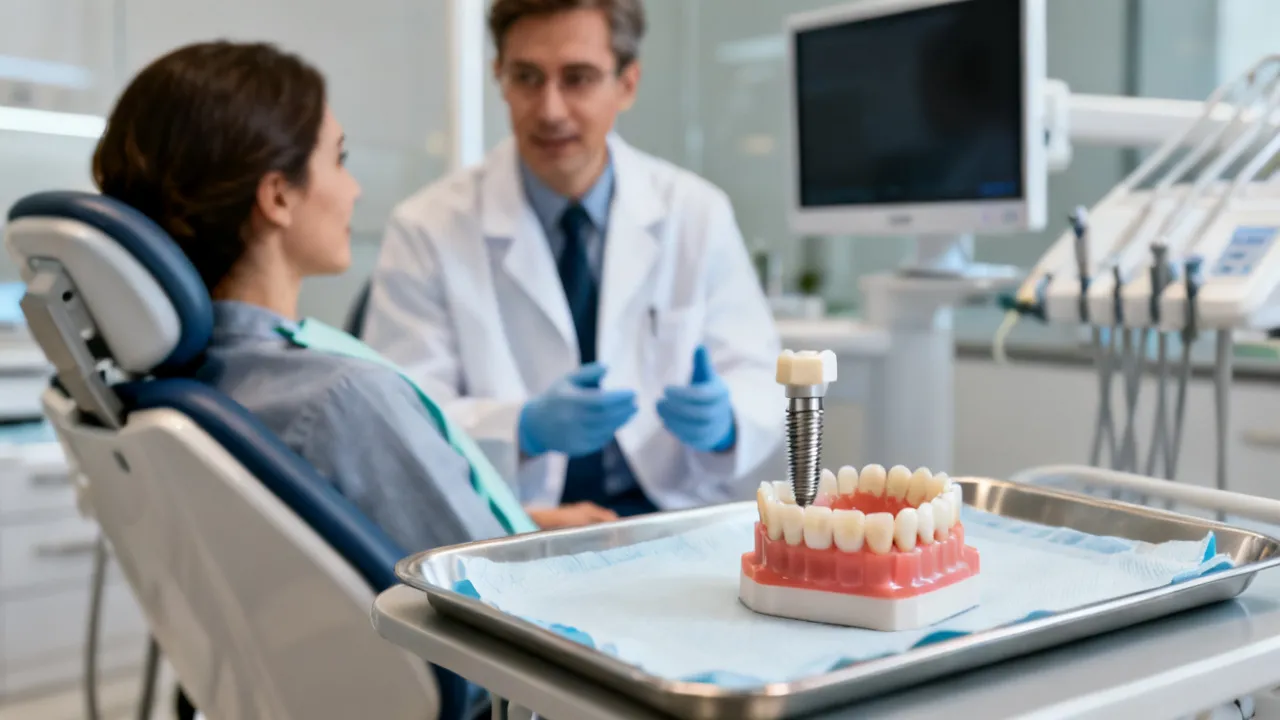
This guide explains what people usually mean by “Affordable Dental Implants,” outlines the realities of implant treatment pathways, and shows how to reduce total costs through low-cost implant programs, insurance, and dental tourism. It also compares example cost ranges across regions and provides an expert checklist before you commit.
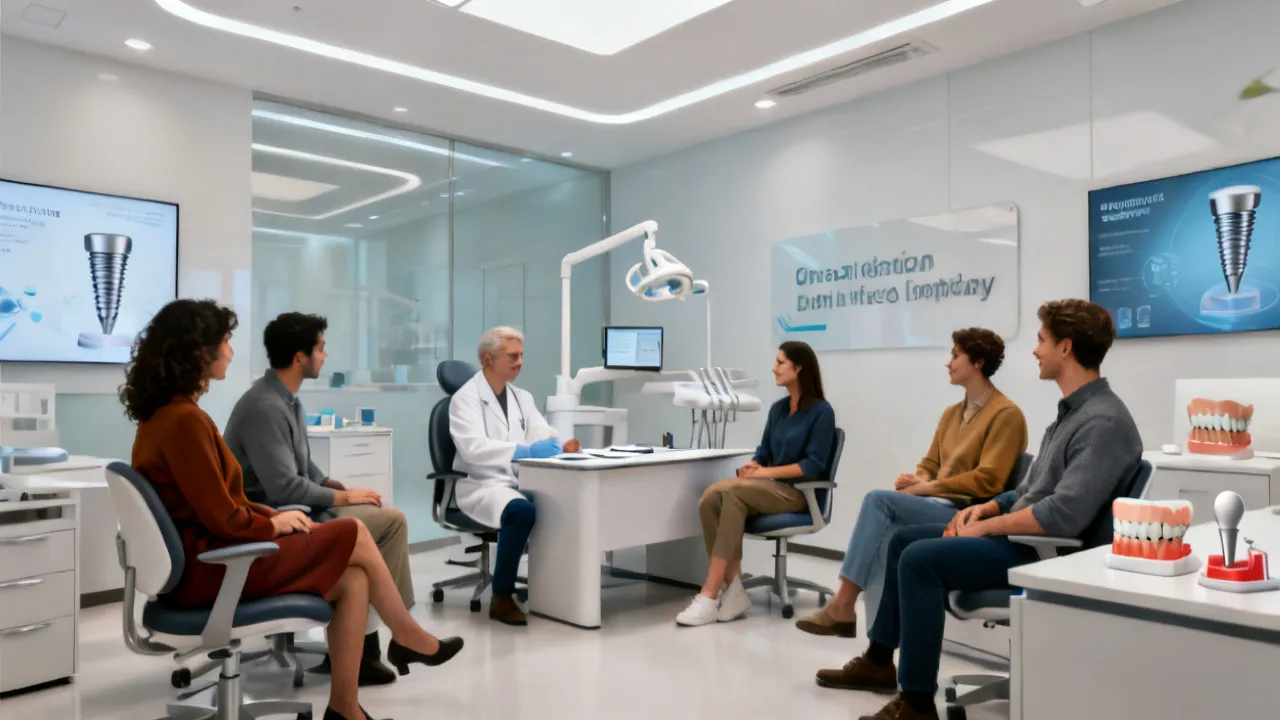
This guide explains how people evaluate Affordable Dental Implants options that may involve discount programs, insurance coordination, or treatment financing. It reviews what dental implant care typically includes, common price drivers, and how to compare providers using objective criteria. You’ll also find cost ranges by country, a step-by-step plan for pursuing lower-cost implant treatment, and practical FAQs.

This guide explains how “Affordable Dental Implants” programs typically work in real-world dental care. It reviews objective options such as low-cost implant pathways, dental tourism considerations, and insurance-style plans, then outlines eligibility factors, selection criteria, and a practical cost-range overview across major English-, Spanish-, and Portuguese-speaking markets.
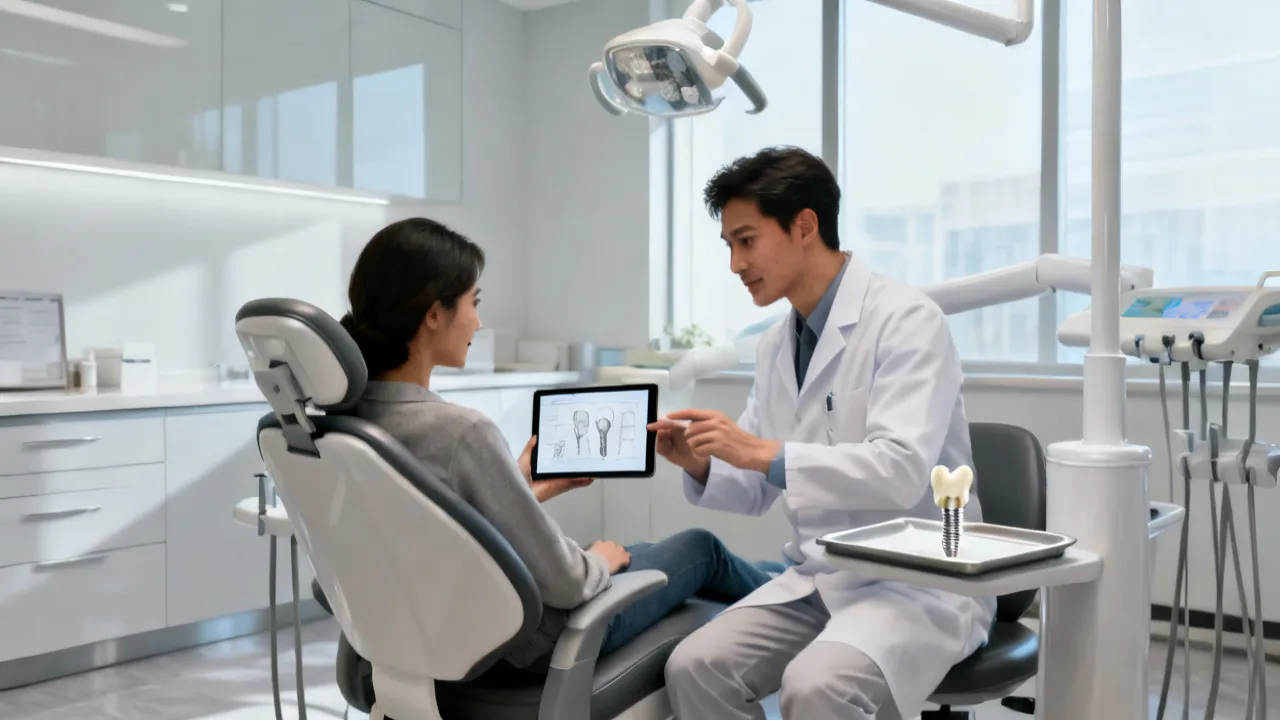
This guide explains how “Affordable Dental Implants” offers are typically structured and what patients should verify before scheduling. It also compares reputable low-cost implant information sources, outlines step-by-step pathways to reduce implant expenses, and provides practical cost-range benchmarks across major English-, Spanish-, and Portuguese-speaking countries.
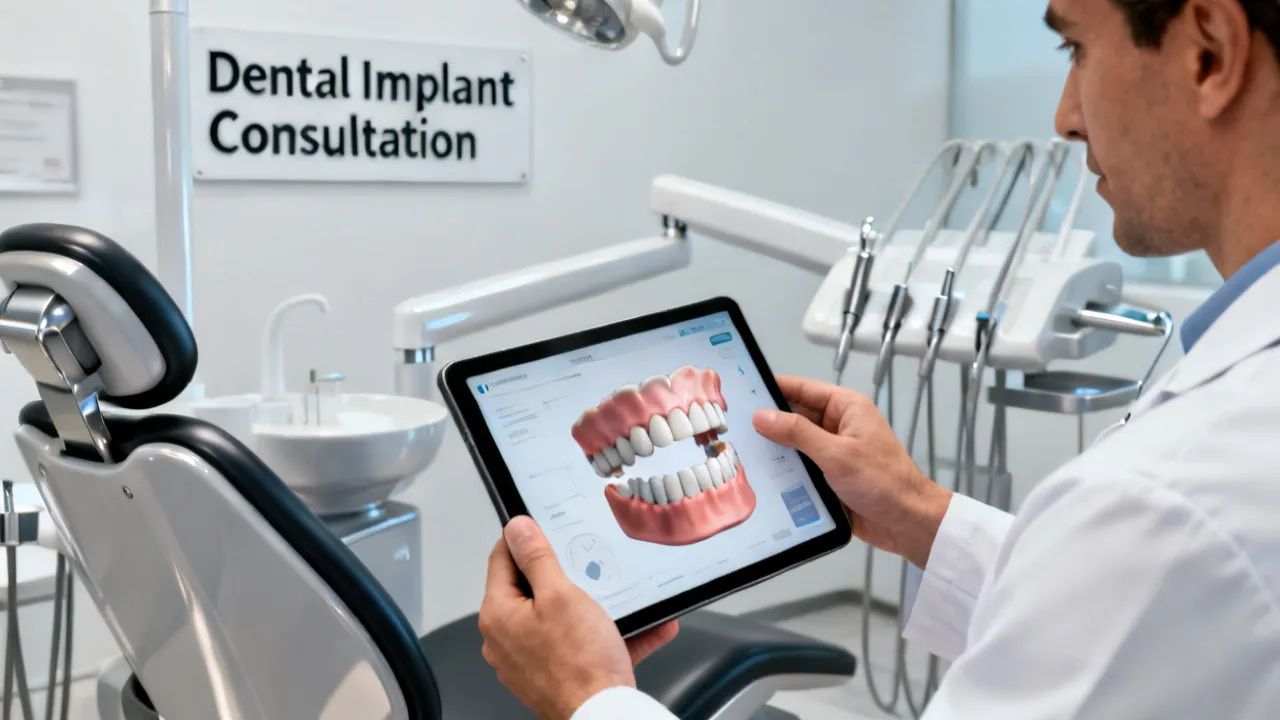
This expert guide explains how “dental implants” can be financed or obtained through lower-cost pathways, including clinic promotions, insurance planning, and dental tourism. It also compares information sources for cost-focused implant care, outlines practical steps for evaluating providers, and reviews typical single-implant cost ranges across major language regions.
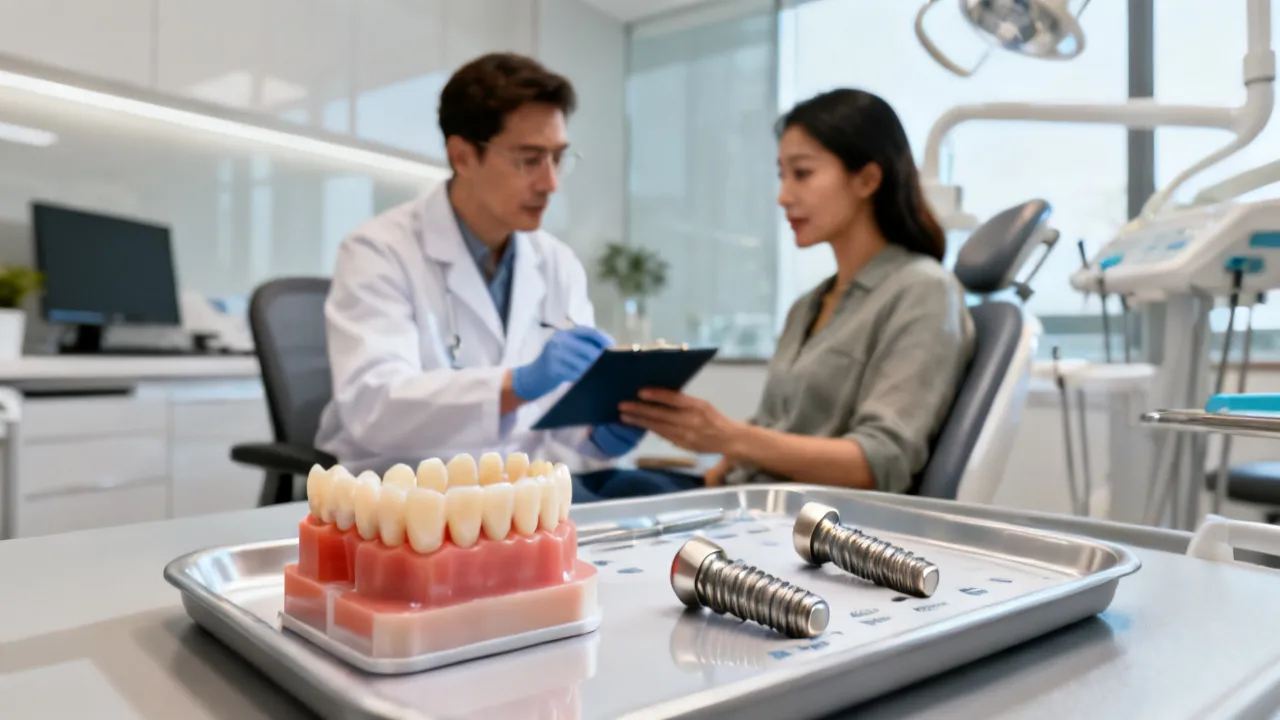
This guide explains Affordable Dental Implants options and how “low-cost” implant pathways work in English-, Spanish-, and Portuguese-speaking regions. It covers what to expect clinically, how pricing is structured, and how patients can plan for affordability through insurance, financing, and dental tourism. Clear cost ranges, vetted resources, and FAQs are included.