Discover low-cost dental implants, including full mouth options and prices tailored for seniors in your area.

Dental implants are artificial tooth roots made from biocompatible materials, designed to support replacement teeth or bridges. They are a popular choice for individuals seeking a good solution for missing teeth. Many factors influence the cost of dental implants, including the type of implant, the complexity of the procedure, and geographical location. In this article, we will delve into the various aspects of dental implants, focusing on low-cost options, full mouth dental implant costs, and special considerations for seniors.
Finding affordable dental implants can be a daunting task. However, many dental clinics offer low-cost options that can help you achieve a beautiful smile without breaking the bank. When searching for low-cost dental implants near me, consider the following tips:
Full mouth dental implants are an excellent solution for individuals missing very or all of their teeth. This procedure involves placing implants in the jawbone to support a full arch of prosthetic teeth. The advantages of full mouth dental implants include improved speech, enhanced comfort, and a natural appearance. The full mouth dental implant cost can vary significantly based on factors such as:
When considering full mouth dental implants, it's crucial to understand the pricing structure. On average, the full mouth dental implant prices can range from $20,000 to $40,000, depending on various factors. This price typically includes:
Many insurance plans do not cover the full cost of dental implants, so it is essential to check with your provider for coverage options.
Seniors often face unique challenges when it comes to dental health. However, dental implants can significantly improve their quality of life. When considering dental implants for seniors, it's vital to consult with a dentist who specializes in geriatric dentistry. Some considerations include:
Searching for full mouth dental implants near me can yield several local options. Start by looking for dental clinics that specialize in implantology. You can also ask for recommendations from friends or family members who have undergone similar procedures. Online reviews and testimonials can provide valuable insights into the quality of care provided by local dentists.
Dental implants are typically made from titanium, a biocompatible material that integrates well with the jawbone.
With proper care, dental implants can last a lifetime, making them a cost-effective solution over time.
The procedure is usually performed under local anesthesia, and very patients report minimal discomfort during recovery.
Recovery time can vary, but very patients can return to normal activities within a few days.
No special care is required, but maintaining good oral hygiene practices is essential for longevity.
Dental implants represent a significant investment in one’s dental health and overall quality of life. Whether you are looking for low-cost options, full mouth solutions, or specific care for seniors, understanding the costs and processes involved can help you make informed decisions. Don’t hesitate to reach out to local dental professionals to explore your options further.






Tooth loss can significantly affect not only an individual's appearance but also their overall oral health. When a tooth is lost, the surrounding teeth can shift, leading to misalignment, increased plaque buildup, and potential periodontal issues. This article will discuss how dental implants can maintain oral health after tooth loss and provide practical guidance for individuals considering this restorative option.
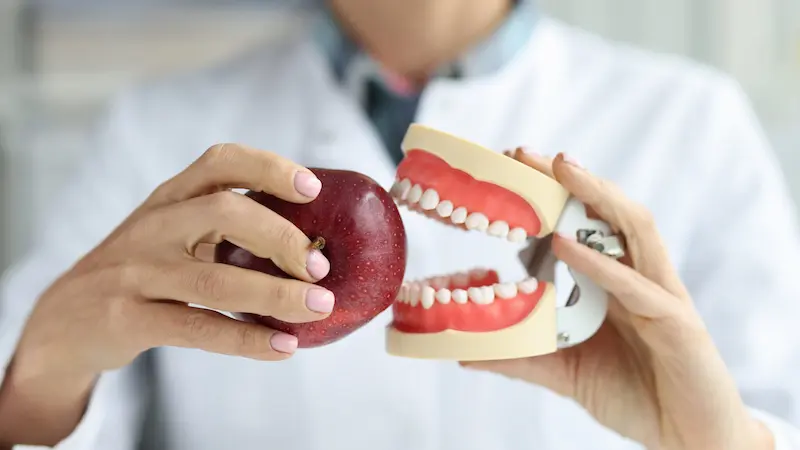
As society advances, the significance of oral health, particularly among the elderly population, has garnered increasing attention. One of the essential developments in this realm is the emergence of dental implants, which provide a viable solution for individuals suffering from tooth loss.
This article aims to provide an objective overview of the benefits, maintenance, and best practices related to dental implants for the elderly, enabling them to maintain optimal oral health.
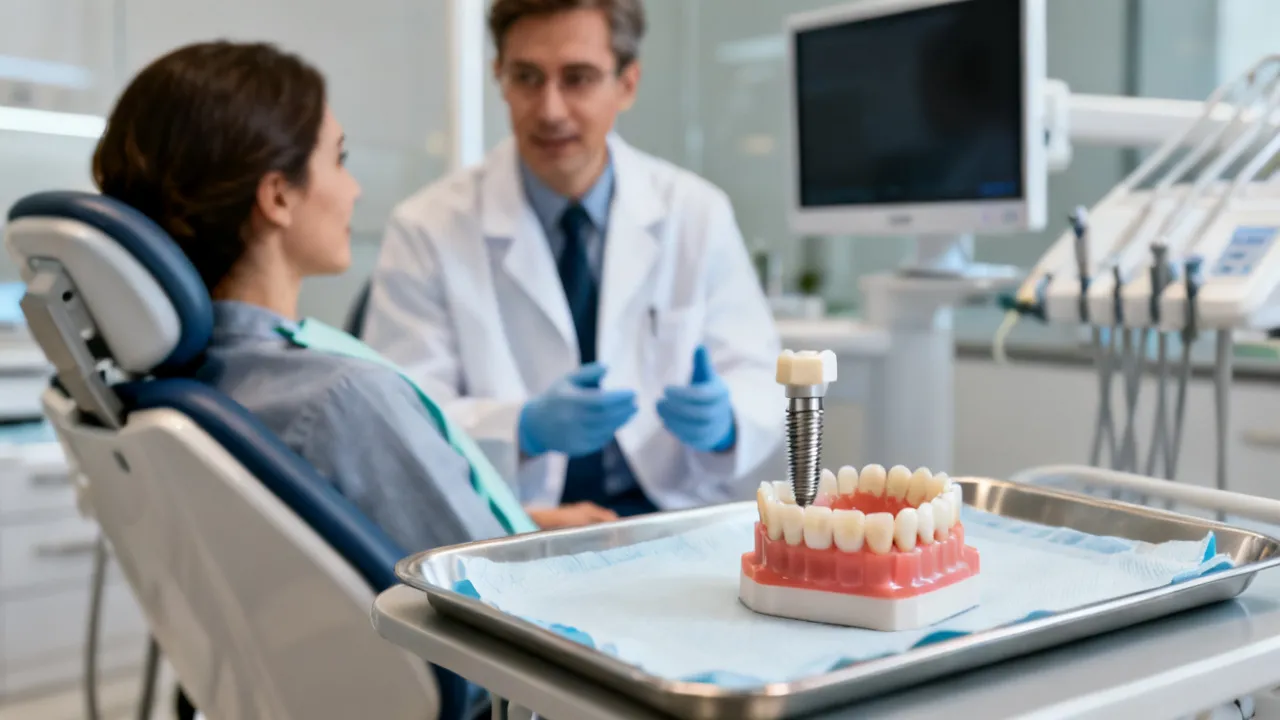
This guide explains what people usually mean by “Affordable Dental Implants,” outlines the realities of implant treatment pathways, and shows how to reduce total costs through low-cost implant programs, insurance, and dental tourism. It also compares example cost ranges across regions and provides an expert checklist before you commit.
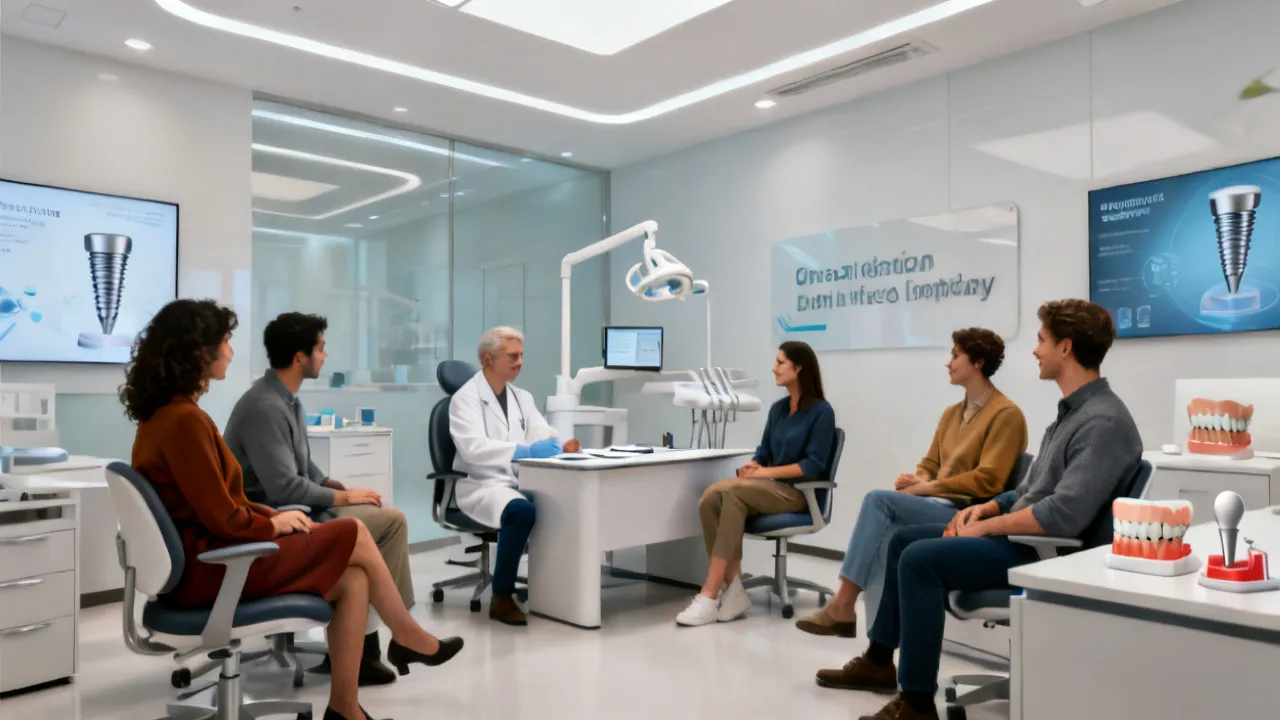
This guide explains how people evaluate Affordable Dental Implants options that may involve discount programs, insurance coordination, or treatment financing. It reviews what dental implant care typically includes, common price drivers, and how to compare providers using objective criteria. You’ll also find cost ranges by country, a step-by-step plan for pursuing lower-cost implant treatment, and practical FAQs.
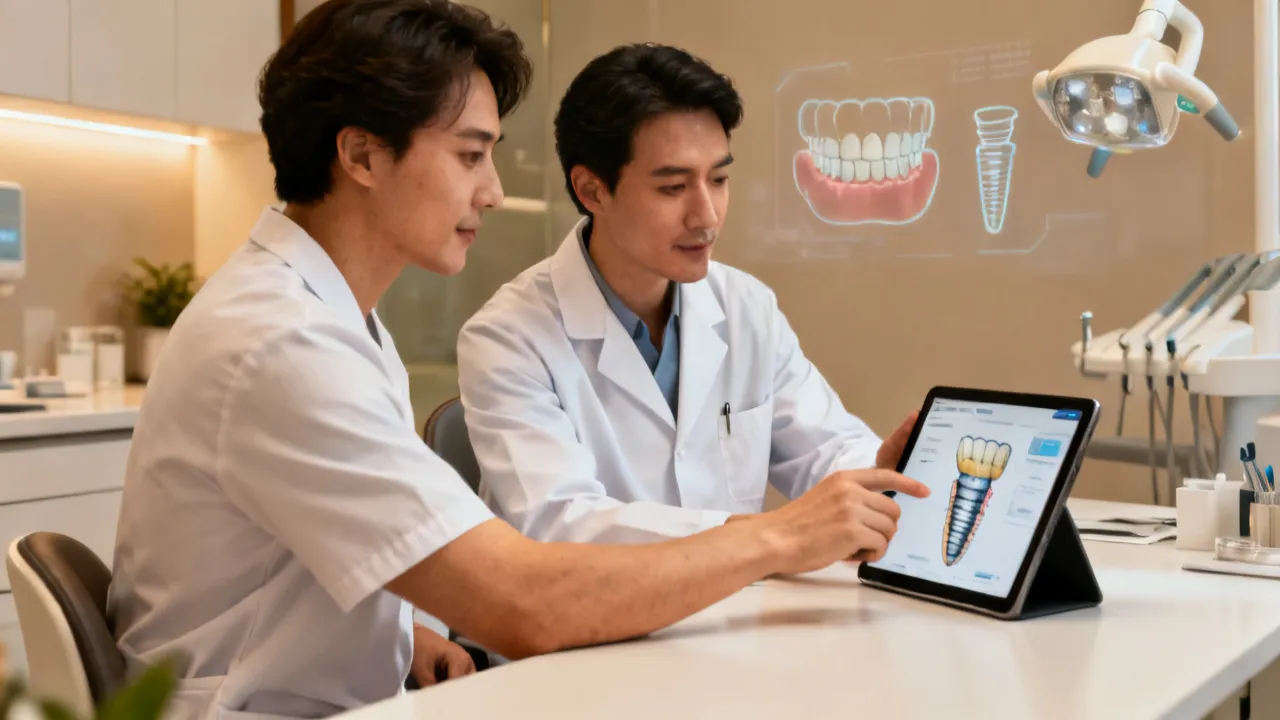
This guide explains how “Affordable Dental Implants” programs typically work in real-world dental care. It reviews objective options such as low-cost implant pathways, dental tourism considerations, and insurance-style plans, then outlines eligibility factors, selection criteria, and a practical cost-range overview across major English-, Spanish-, and Portuguese-speaking markets.
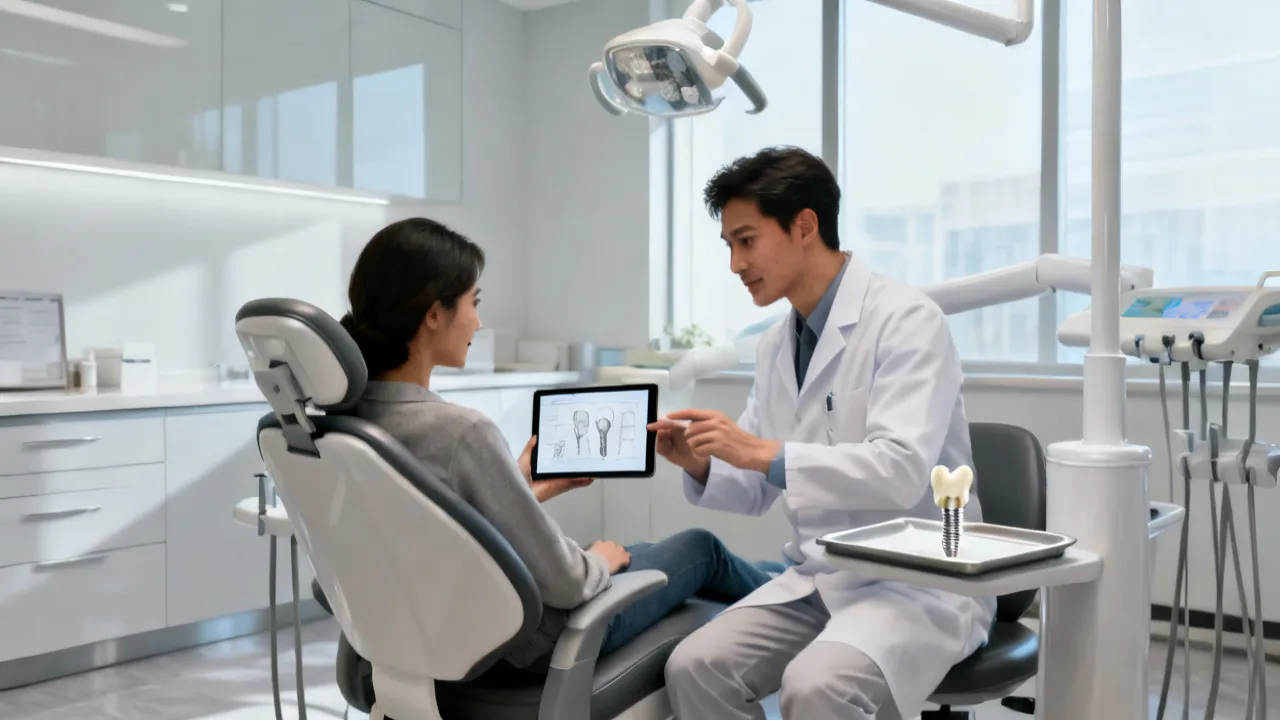
This guide explains how “Affordable Dental Implants” offers are typically structured and what patients should verify before scheduling. It also compares reputable low-cost implant information sources, outlines step-by-step pathways to reduce implant expenses, and provides practical cost-range benchmarks across major English-, Spanish-, and Portuguese-speaking countries.
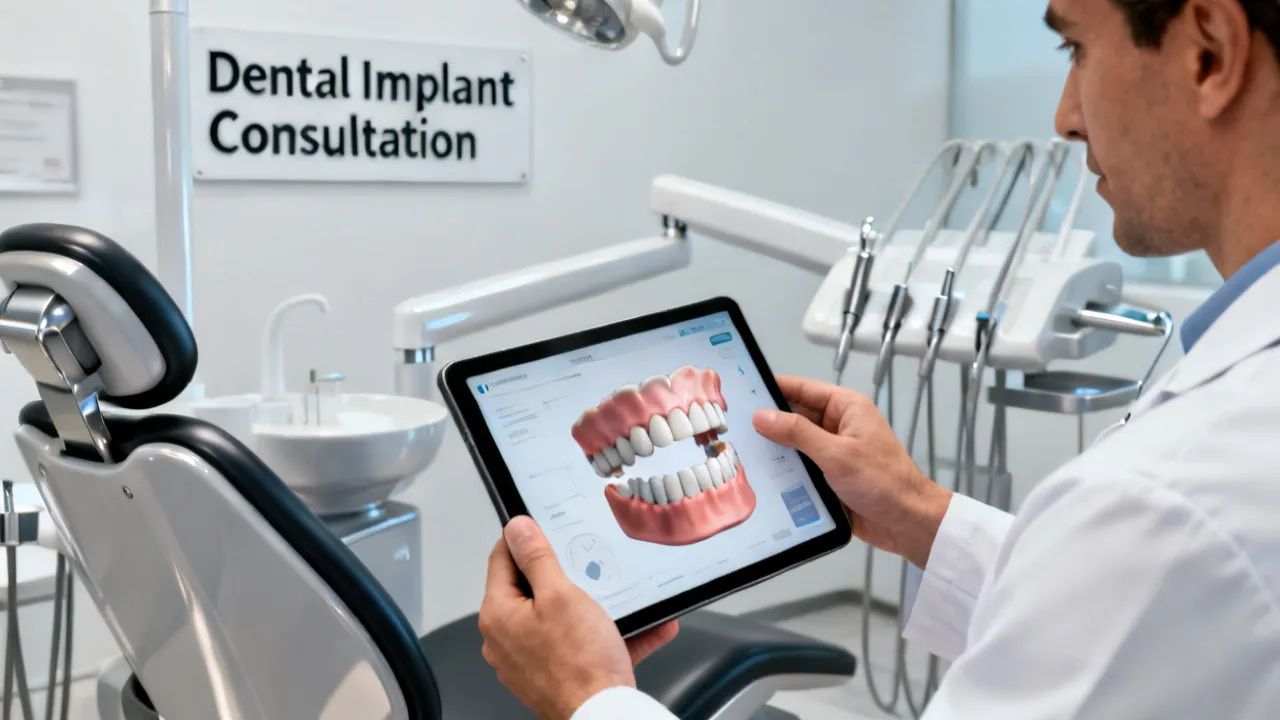
This expert guide explains how “dental implants” can be financed or obtained through lower-cost pathways, including clinic promotions, insurance planning, and dental tourism. It also compares information sources for cost-focused implant care, outlines practical steps for evaluating providers, and reviews typical single-implant cost ranges across major language regions.
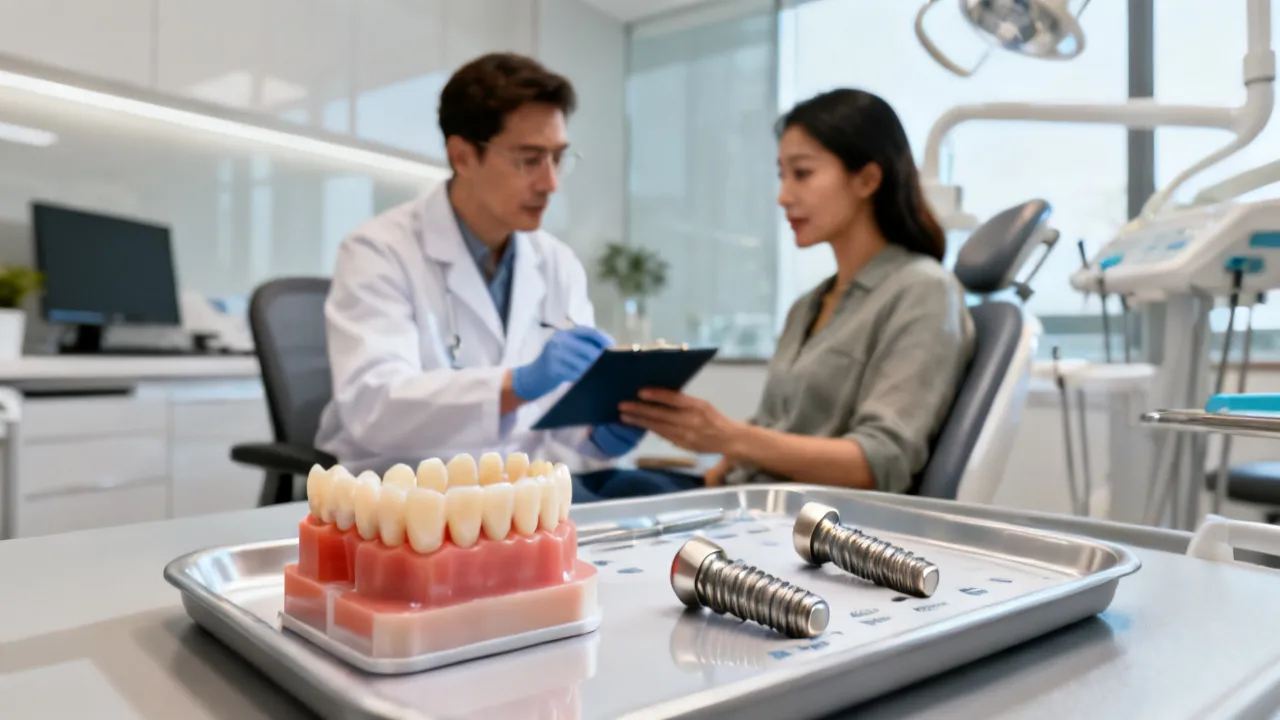
This guide explains Affordable Dental Implants options and how “low-cost” implant pathways work in English-, Spanish-, and Portuguese-speaking regions. It covers what to expect clinically, how pricing is structured, and how patients can plan for affordability through insurance, financing, and dental tourism. Clear cost ranges, vetted resources, and FAQs are included.