Proper dental care, ensuring patient comfort, and utilizing technological advancements are crucial for maintaining oral health. This guide will offer advice and tips for achieving a healthy and comfortable dental experience.
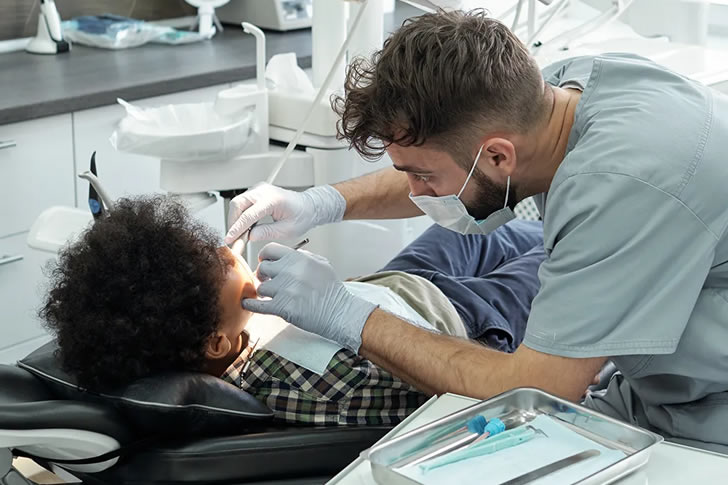
Taking care of your teeth and gums is vital not just for oral health but for your overall well-being. Regular dental check-ups and cleanings can prevent very dental issues.
Visiting your dentist every six months is essential. These visits help in early detection of potential problems, such as cavities and gum disease, which can be treated promptly to prevent complications.
Establishing a daily routine that includes brushing and flossing is the cornerstone of effective dental care. Use fluoride toothpaste and a soft-bristled toothbrush to clean your teeth twice a day.
Patient comfort in a dental setting can significantly impact the overall experience and willingness to seek care. Addressing fear and anxiety is a priority for dental professionals.
A welcoming and serene clinic atmosphere can go a long way in making patients feel at ease. Comfortable seating, soothing music, and a clean, organized space can reduce anxiety.
Clear communication and patient education can alleviate fears and help patients understand the importance of treatments. Explaining procedures and answering questions builds trust.
Technology in dentistry has dramatically advanced, enhancing patient care and treatment outcomes. Utilizing state-of-the-art equipment can lead to more accurate diagnoses and effective treatments.
Innovations such as digital X-rays, intraoral cameras, and 3D imaging provide detailed views of dental structures, enabling precise diagnosis and tailored treatment plans.
Laser dentistry, CAD/CAM (Computer-Aided Design and Computer-Aided Manufacturing), and other modern technologies have revolutionized dental procedures, making them less invasive and more efficient.
The synergy of excellent dental care, patient comfort prioritization, and advanced technologies results in an optimal dental experience. Patients are more likely to maintain regular visits and follow oral hygiene routines.
Dental practices aiming for comprehensive care must integrate these elements efficiently. Employing skilled professionals who are adept in using technology and maintaining a patient-centered approach is key.
Incorporating diligent dental care practices, prioritizing patient comfort, and leveraging technological advancements are essential for a pleasant and effective dental experience. Remember, a healthy smile begins with taking proactive steps towards maintaining your oral health.
By following these guidelines, both dental professionals and patients can work together to create a conducive environment for enduring dental health and comfort.






Tooth loss can significantly affect not only an individual's appearance but also their overall oral health. When a tooth is lost, the surrounding teeth can shift, leading to misalignment, increased plaque buildup, and potential periodontal issues. This article will discuss how dental implants can maintain oral health after tooth loss and provide practical guidance for individuals considering this restorative option.
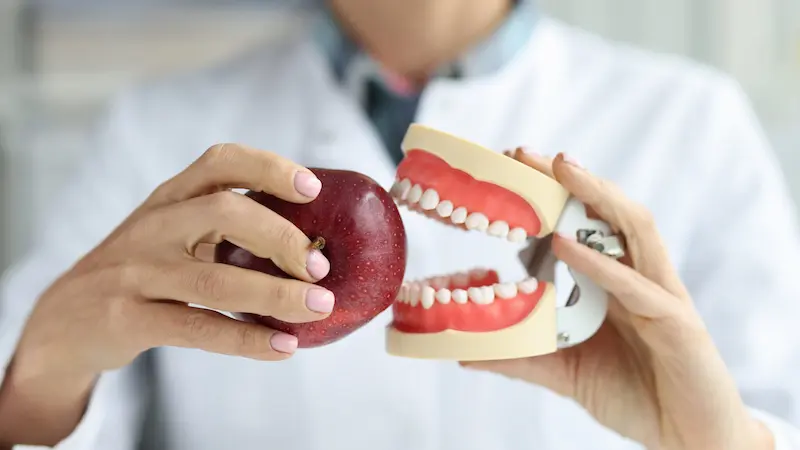
As society advances, the significance of oral health, particularly among the elderly population, has garnered increasing attention. One of the essential developments in this realm is the emergence of dental implants, which provide a viable solution for individuals suffering from tooth loss.
This article aims to provide an objective overview of the benefits, maintenance, and best practices related to dental implants for the elderly, enabling them to maintain optimal oral health.
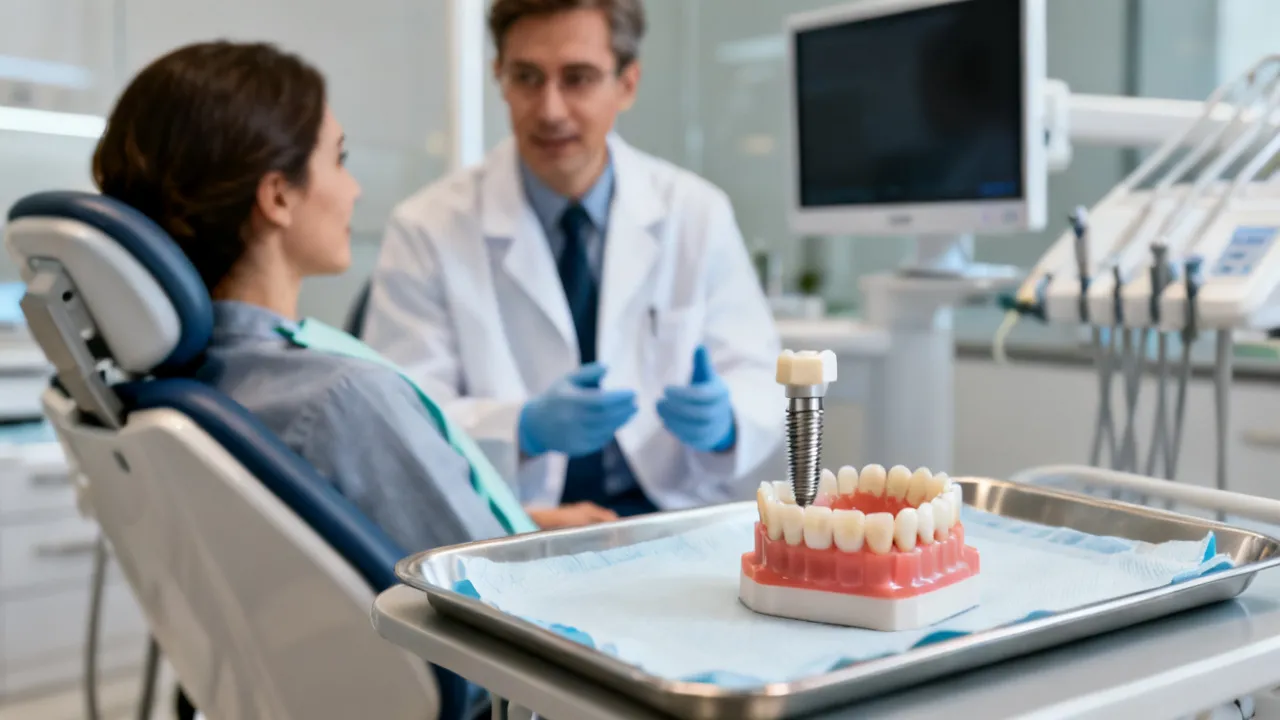
This guide explains what people usually mean by “Affordable Dental Implants,” outlines the realities of implant treatment pathways, and shows how to reduce total costs through low-cost implant programs, insurance, and dental tourism. It also compares example cost ranges across regions and provides an expert checklist before you commit.
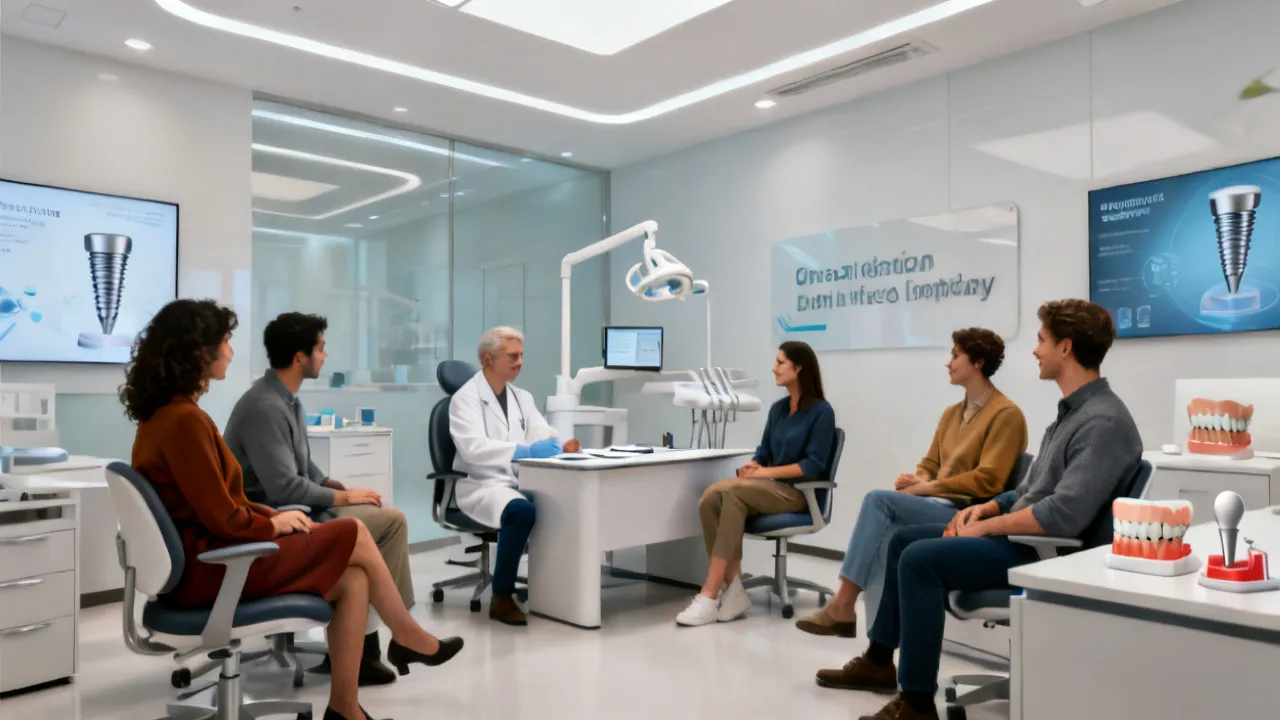
This guide explains how people evaluate Affordable Dental Implants options that may involve discount programs, insurance coordination, or treatment financing. It reviews what dental implant care typically includes, common price drivers, and how to compare providers using objective criteria. You’ll also find cost ranges by country, a step-by-step plan for pursuing lower-cost implant treatment, and practical FAQs.
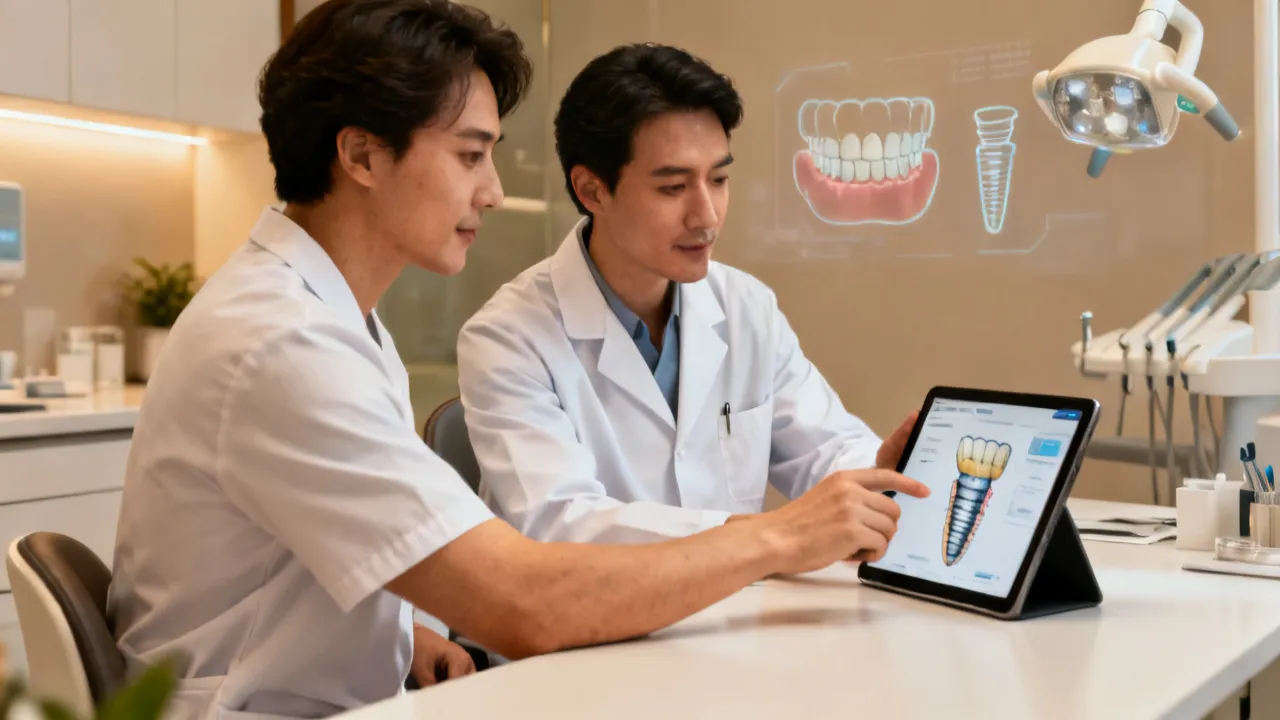
This guide explains how “Affordable Dental Implants” programs typically work in real-world dental care. It reviews objective options such as low-cost implant pathways, dental tourism considerations, and insurance-style plans, then outlines eligibility factors, selection criteria, and a practical cost-range overview across major English-, Spanish-, and Portuguese-speaking markets.
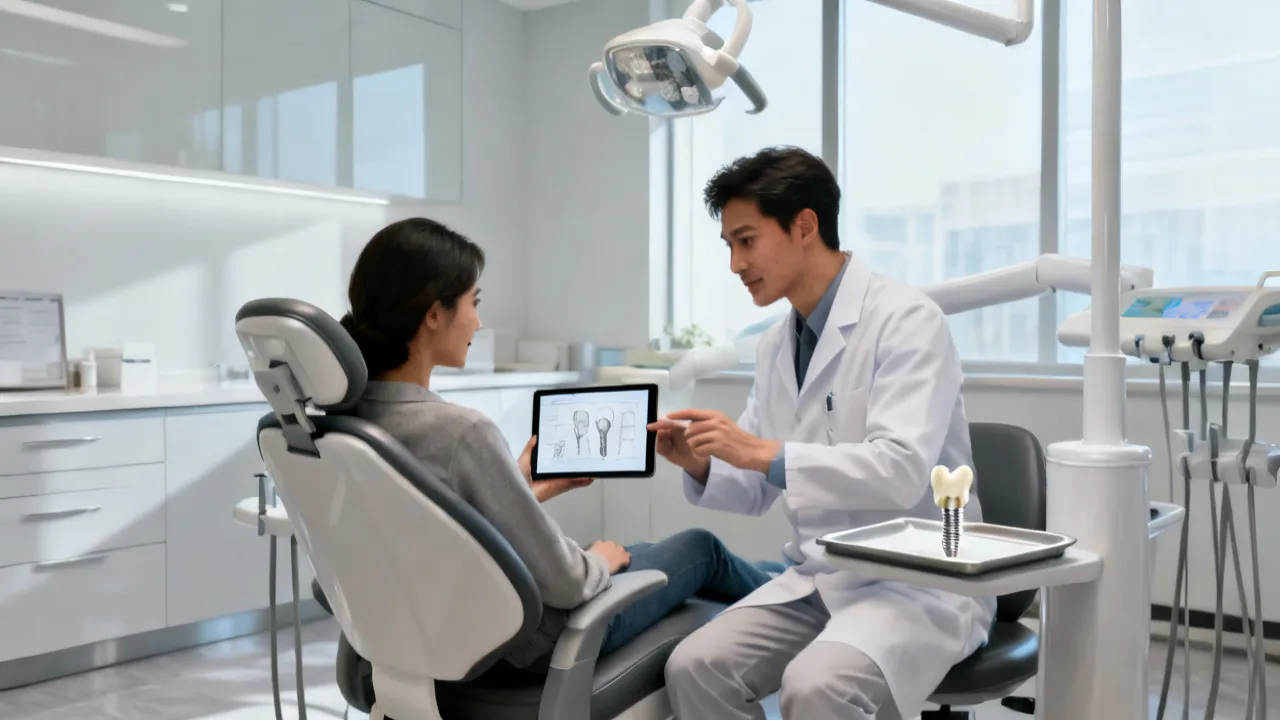
This guide explains how “Affordable Dental Implants” offers are typically structured and what patients should verify before scheduling. It also compares reputable low-cost implant information sources, outlines step-by-step pathways to reduce implant expenses, and provides practical cost-range benchmarks across major English-, Spanish-, and Portuguese-speaking countries.
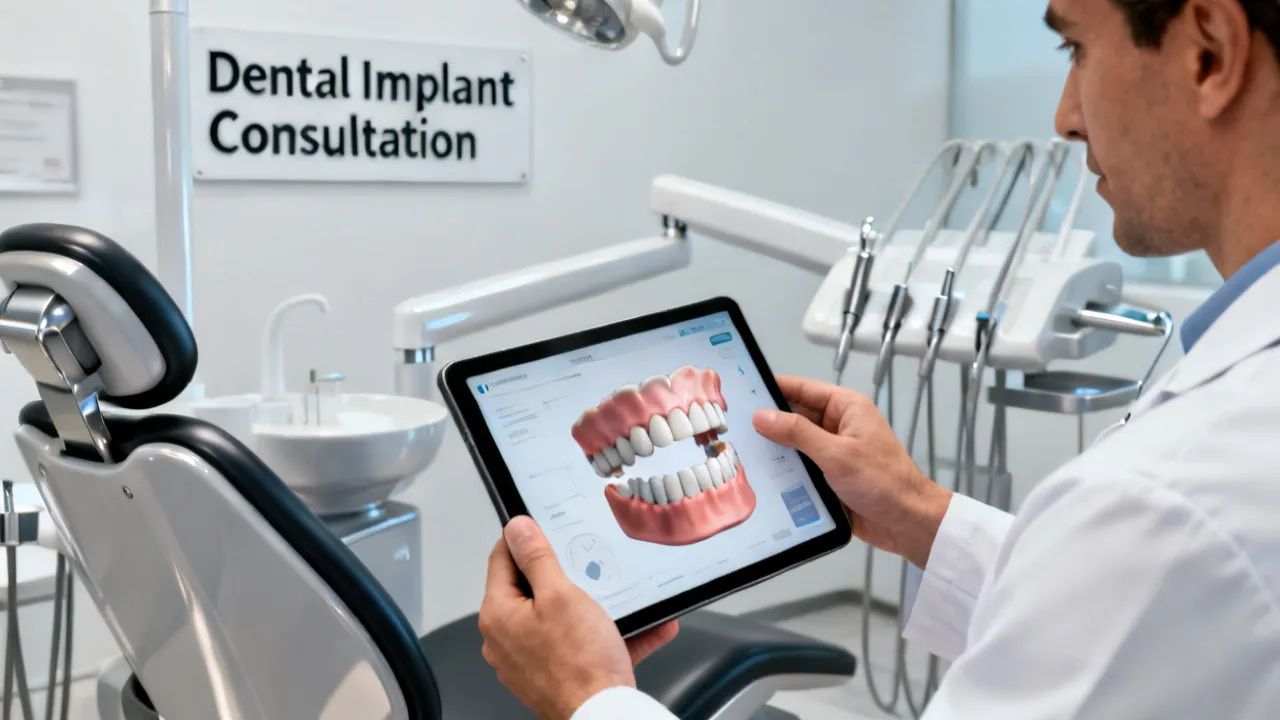
This expert guide explains how “dental implants” can be financed or obtained through lower-cost pathways, including clinic promotions, insurance planning, and dental tourism. It also compares information sources for cost-focused implant care, outlines practical steps for evaluating providers, and reviews typical single-implant cost ranges across major language regions.
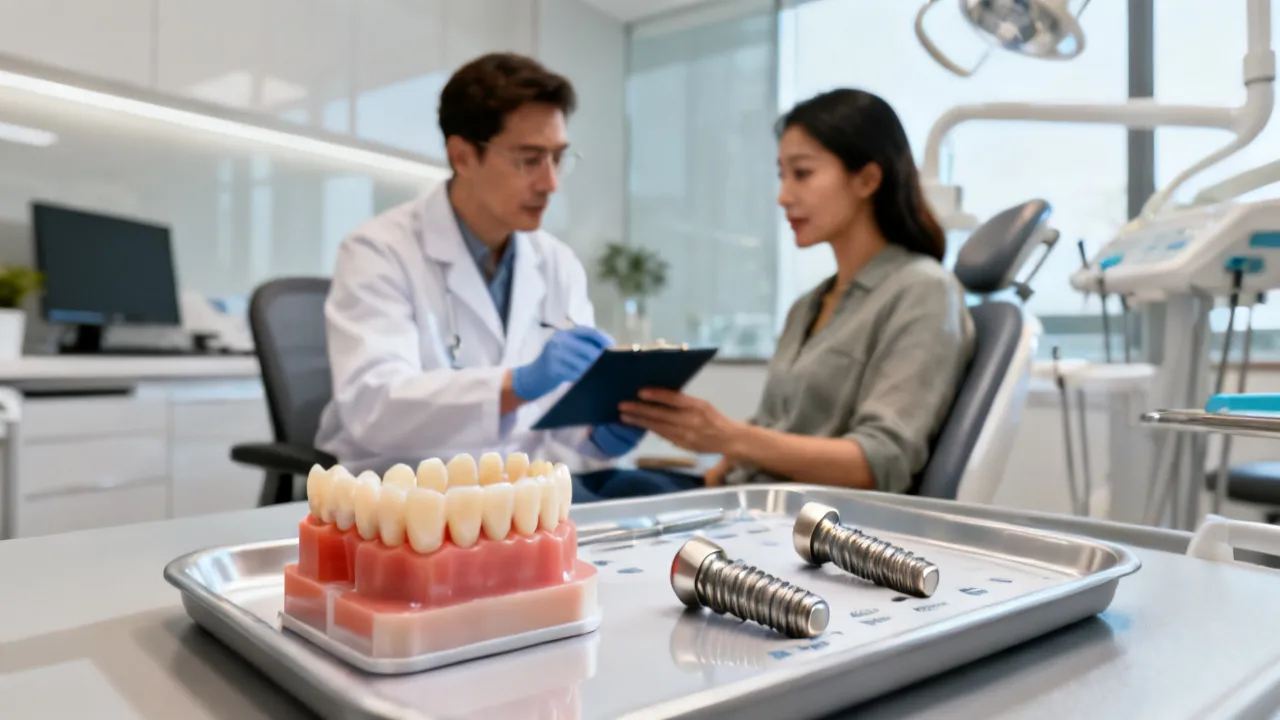
This guide explains Affordable Dental Implants options and how “low-cost” implant pathways work in English-, Spanish-, and Portuguese-speaking regions. It covers what to expect clinically, how pricing is structured, and how patients can plan for affordability through insurance, financing, and dental tourism. Clear cost ranges, vetted resources, and FAQs are included.