Maintaining good oral health is crucial for seniors, not only for overall well-being but also to prevent various health complications. However, accessing dental care can be a significant burden due to high costs, particularly for those on a fixed income. Here are several practical tips for seniors to help minimize dental expenses while ensuring they receive the necessary care.
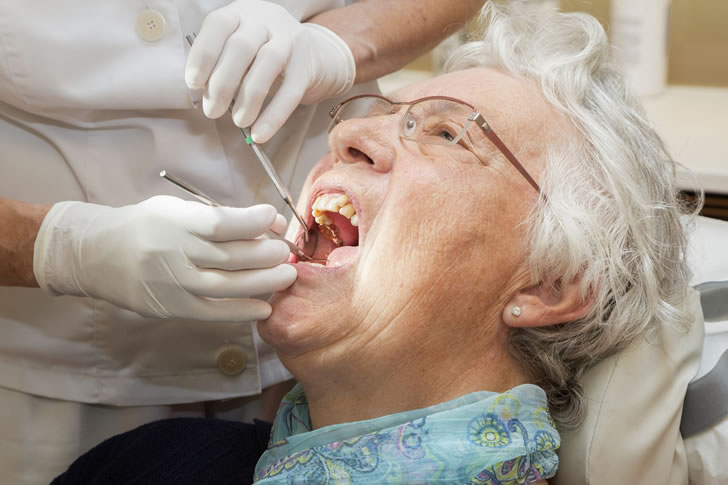
Many dental insurance plans are designed specifically for seniors. These plans often provide coverage for preventive care, such as routine cleanings and exams, at little to no cost. It’s wise to carefully review the options available through Medicare, Medicaid, or stand-alone dental plans.
Several non-profit organizations and community health centers offer low-cost dental services. These clinics often cater to individuals with low income and can provide essential services like check-ups, fillings, and extractions at a fraction of the cost found in private practices.
Discount dental plans can be an economical alternative to traditional insurance. When enrolling in such plans, members pay an annual fee and receive discounts ranging from 10% to 60% on various dental services. It’s important to evaluate different plans and find one that best suits your dental needs.
Preventive care is often less expensive than treatment for dental issues that may arise if regular check-ups are neglected. Scheduling regular visits can help catch problems early before they develop into more serious and costly conditions.
Maintaining proper oral hygiene can significantly reduce the need for extensive dental treatments. Seniors should brush twice a day and floss daily. Additionally, using fluoride toothpaste and mouthwash can help strengthen enamel and prevent tooth decay.
Many dental schools have clinics where dental students provide care under the supervision of licensed professionals. These services are often available at a reduced rate, offering a quality alternative for seniors seeking affordable dental care.
Many dental practices offer senior discounts or special rates for older adults. It’s always worth asking your dentist if such discounts are available, especially for routine services like cleanings and exams.
If dental treatment is necessary but costs are prohibitive, inquire about payment plans. Many dentists are willing to work with patients to provide manageable options for paying for expensive procedures over time.
Q: What should I do if I can’t afford dental care?
A: Look into community health clinics, dental schools, and nonprofit organizations that offer free or low-cost dental services.
Q: How can I get dental care if I am on Medicare?
A: Medicare does not generally cover routine dental care. However, certain situations related to dental surgery may be covered. Check with your Medicare plan for specific options and look into supplemental dental insurance.
Q: Are there any special dental care products for seniors?
A: Yes, there are products specially designed for seniors such as soft-bristle toothbrushes, toothpaste with fluoride, and mouthwashes that help combat dry mouth.
Navigating dental care can be challenging for seniors, but with these tips, it’s possible to maintain oral health while keeping costs manageable. From exploring insurance options to utilizing community services, seniors have various resources at their disposal. Always prioritize regular check-ups and practice good dental hygiene to promote lasting health.
For further insights into affordable dental care options for seniors, consider visiting the following resources:






Tooth loss can significantly affect not only an individual's appearance but also their overall oral health. When a tooth is lost, the surrounding teeth can shift, leading to misalignment, increased plaque buildup, and potential periodontal issues. This article will discuss how dental implants can maintain oral health after tooth loss and provide practical guidance for individuals considering this restorative option.
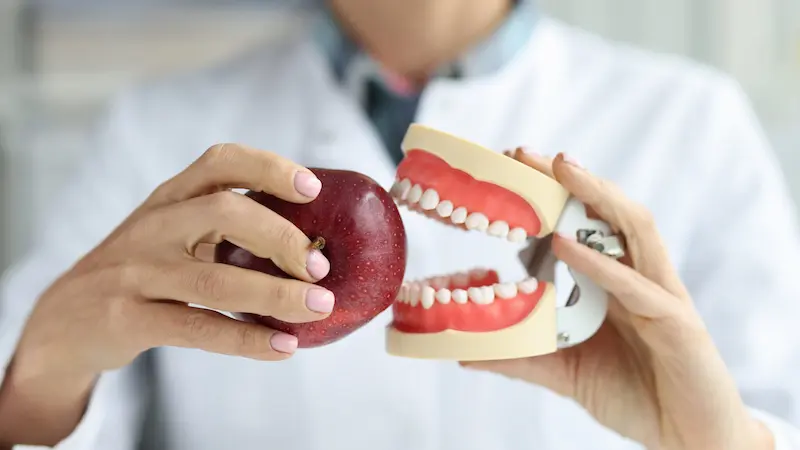
As society advances, the significance of oral health, particularly among the elderly population, has garnered increasing attention. One of the essential developments in this realm is the emergence of dental implants, which provide a viable solution for individuals suffering from tooth loss.
This article aims to provide an objective overview of the benefits, maintenance, and best practices related to dental implants for the elderly, enabling them to maintain optimal oral health.
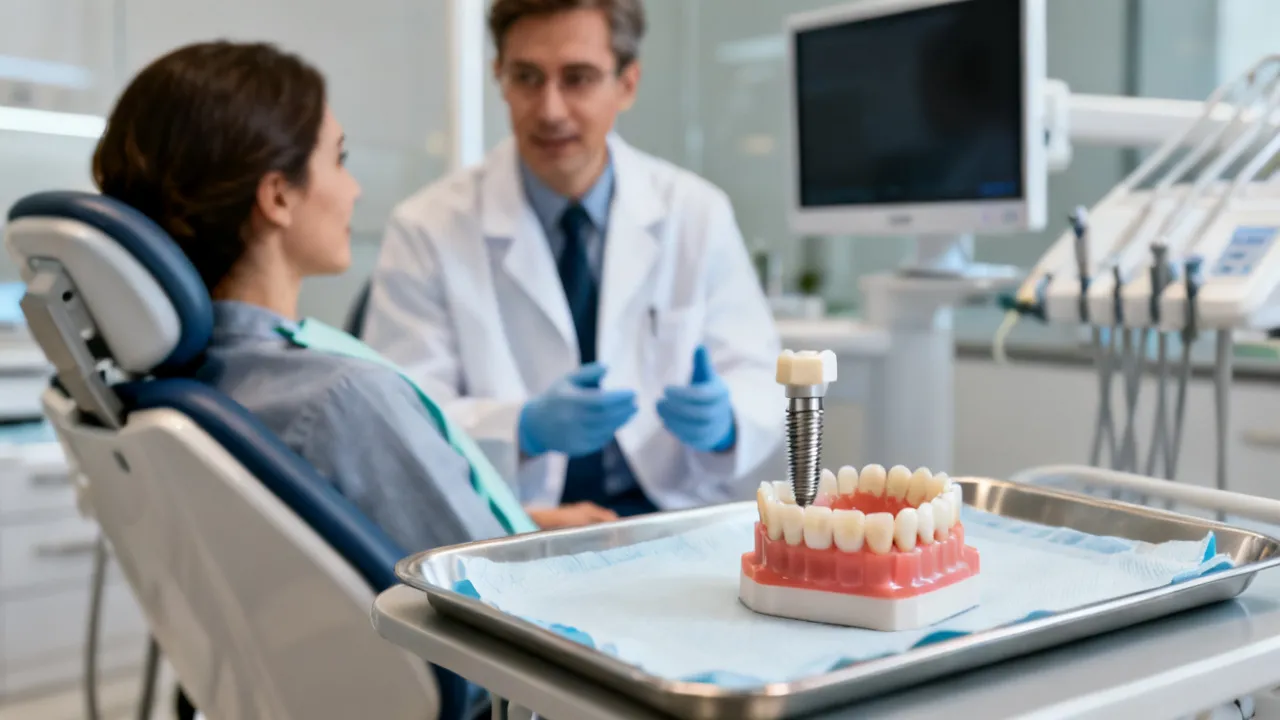
This guide explains what people usually mean by “Affordable Dental Implants,” outlines the realities of implant treatment pathways, and shows how to reduce total costs through low-cost implant programs, insurance, and dental tourism. It also compares example cost ranges across regions and provides an expert checklist before you commit.
This guide explains how people evaluate Affordable Dental Implants options that may involve discount programs, insurance coordination, or treatment financing. It reviews what dental implant care typically includes, common price drivers, and how to compare providers using objective criteria. You’ll also find cost ranges by country, a step-by-step plan for pursuing lower-cost implant treatment, and practical FAQs.
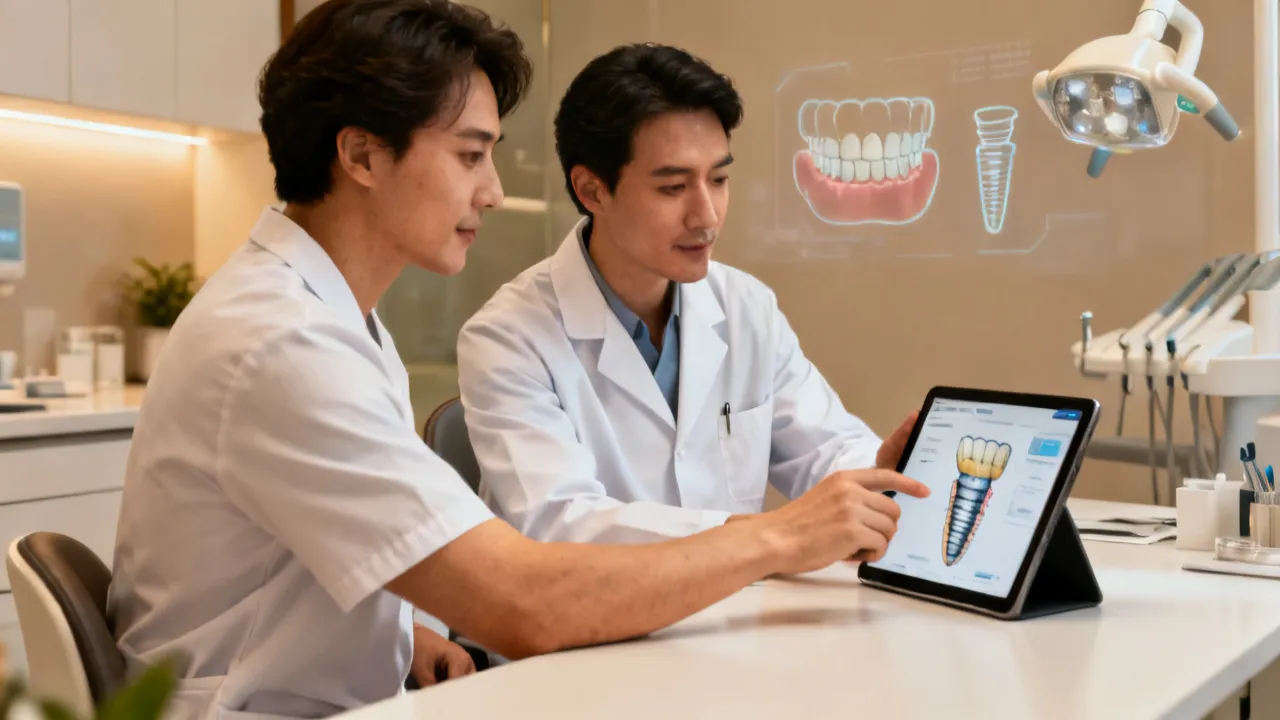
This guide explains how “Affordable Dental Implants” programs typically work in real-world dental care. It reviews objective options such as low-cost implant pathways, dental tourism considerations, and insurance-style plans, then outlines eligibility factors, selection criteria, and a practical cost-range overview across major English-, Spanish-, and Portuguese-speaking markets.
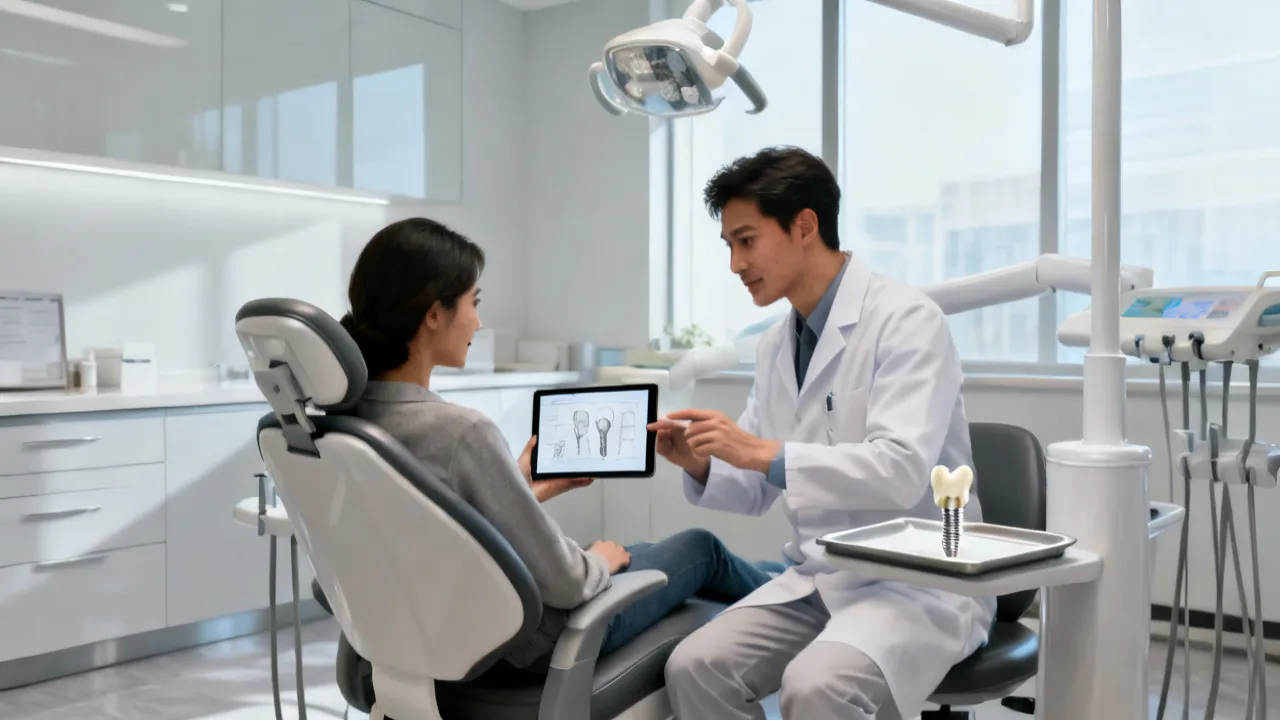
This guide explains how “Affordable Dental Implants” offers are typically structured and what patients should verify before scheduling. It also compares reputable low-cost implant information sources, outlines step-by-step pathways to reduce implant expenses, and provides practical cost-range benchmarks across major English-, Spanish-, and Portuguese-speaking countries.
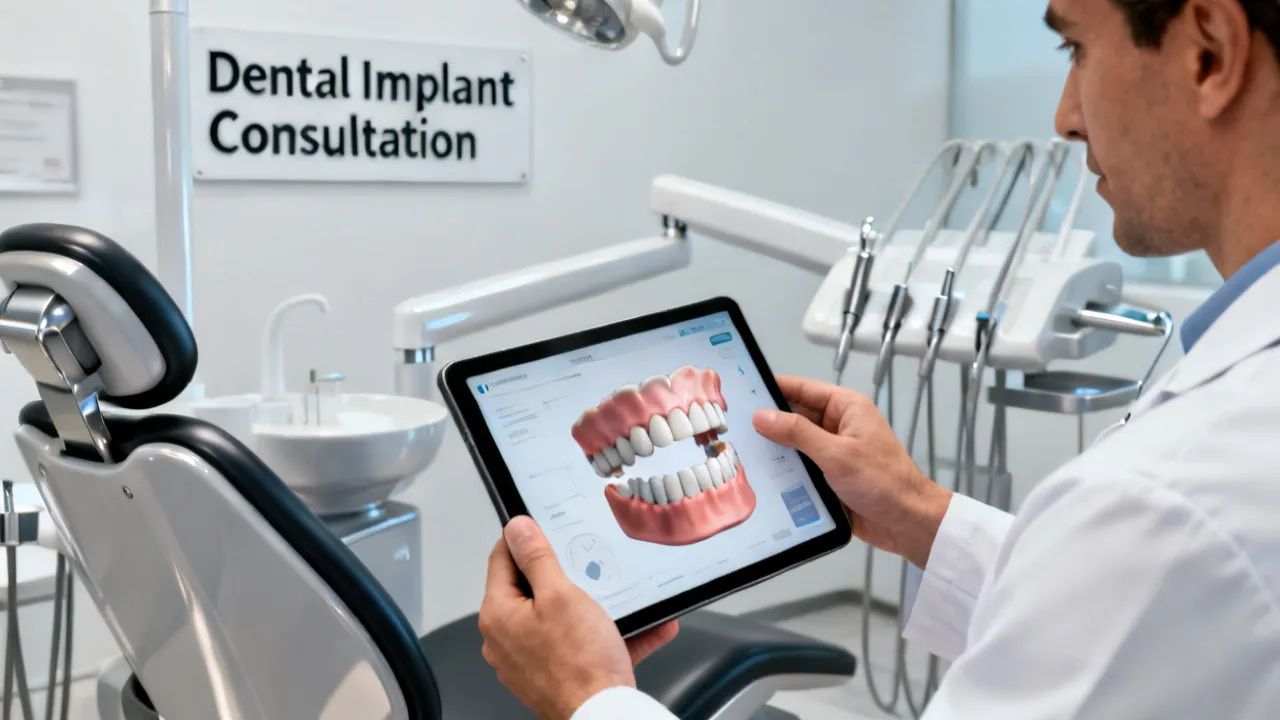
This expert guide explains how “dental implants” can be financed or obtained through lower-cost pathways, including clinic promotions, insurance planning, and dental tourism. It also compares information sources for cost-focused implant care, outlines practical steps for evaluating providers, and reviews typical single-implant cost ranges across major language regions.
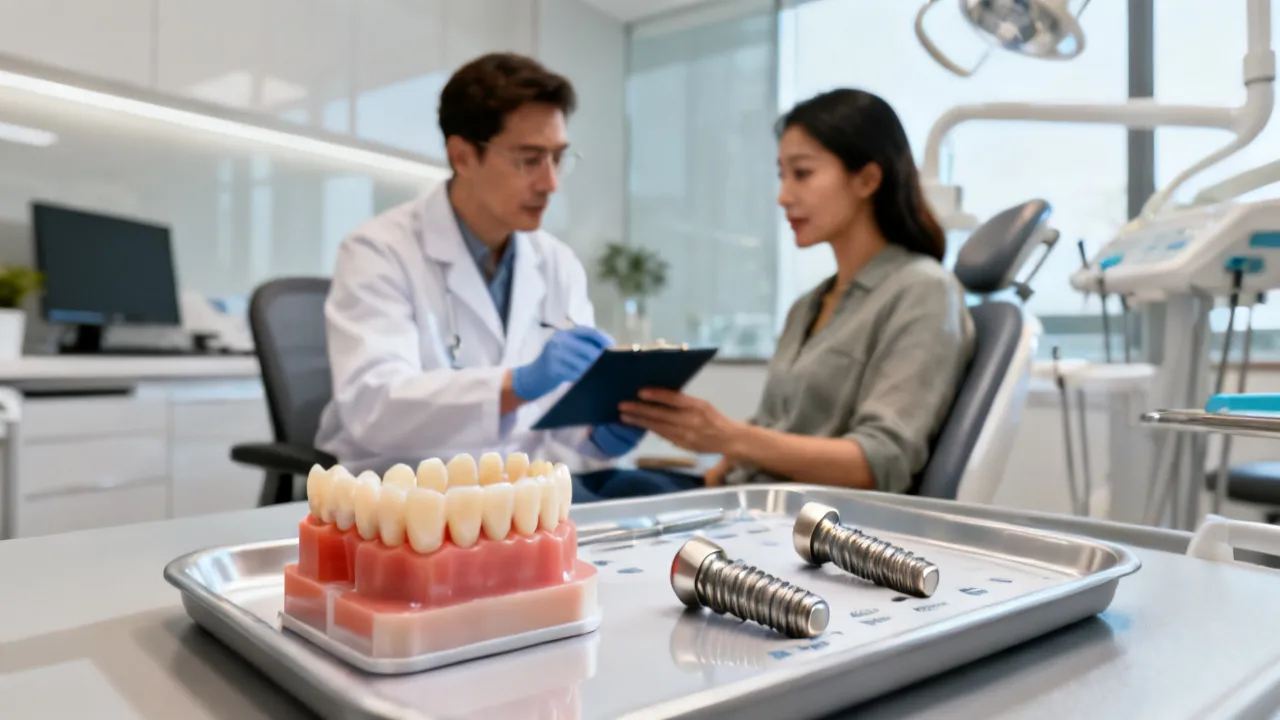
This guide explains Affordable Dental Implants options and how “low-cost” implant pathways work in English-, Spanish-, and Portuguese-speaking regions. It covers what to expect clinically, how pricing is structured, and how patients can plan for affordability through insurance, financing, and dental tourism. Clear cost ranges, vetted resources, and FAQs are included.