Invisible braces, also known as clear aligners, represent a revolutionary approach to orthodontics, providing an aesthetically pleasing alternative to traditional metal braces. This guide aims to provide a detailed overview of invisible braces, their benefits, considerations, and common questions that patients may have.
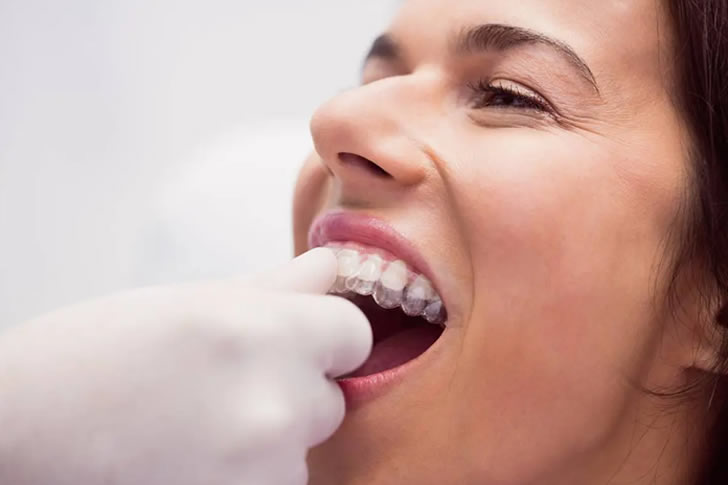
Invisible braces are custom-made, clear plastic trays that gradually shift teeth into the desired position. Unlike traditional braces that utilize wires and brackets, clear aligners are designed to be virtually invisible, making them a popular choice among adults and teenagers seeking a discreet orthodontic solution.
While invisible braces offer numerous benefits, there are important considerations to keep in mind:
1. How long does treatment with invisible braces take?
The duration of treatment varies from person to person, ranging from six months to two years, depending on the severity of the dental issues being addressed.
2. Are invisible braces comfortable?
Most patients find invisible braces to be more comfortable than traditional braces. However, some initial discomfort is common when switching to a new set of aligners.
3. Do I need to visit the orthodontist regularly?
Yes, regular check-ups are essential to monitor progress and make necessary adjustments throughout the treatment.
4. Can I eat with the aligners in?
No, aligners should be removed before eating or drinking anything other than water to prevent damage and staining.
5. How do I clean my invisible aligners?
You can clean your aligners using a soft toothbrush and mild soap. It is essential to avoid hot water or harsh chemicals, which can warp the plastic.
Invisible braces represent a modern, convenient, and effective solution for those seeking orthodontic treatment without the visibility of traditional metal braces. By understanding how they work, their benefits, and considerations, patients can make informed decisions about their dental health.
For further reading and resources, consider visiting:
American Association of Orthodontists
Understanding your options when it comes to teeth alignment can be an empowering step toward achieving a confident smile. Always consult with a qualified orthodontist to determine the best approach for your individual needs.






Tooth loss can significantly affect not only an individual's appearance but also their overall oral health. When a tooth is lost, the surrounding teeth can shift, leading to misalignment, increased plaque buildup, and potential periodontal issues. This article will discuss how dental implants can maintain oral health after tooth loss and provide practical guidance for individuals considering this restorative option.
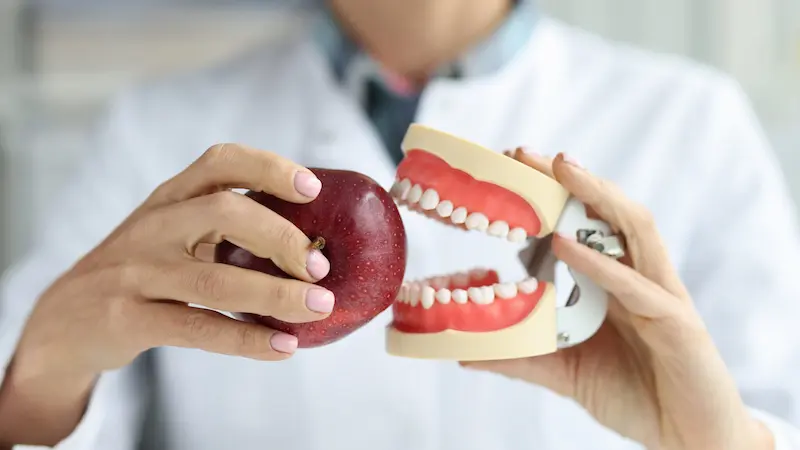
As society advances, the significance of oral health, particularly among the elderly population, has garnered increasing attention. One of the essential developments in this realm is the emergence of dental implants, which provide a viable solution for individuals suffering from tooth loss.
This article aims to provide an objective overview of the benefits, maintenance, and best practices related to dental implants for the elderly, enabling them to maintain optimal oral health.
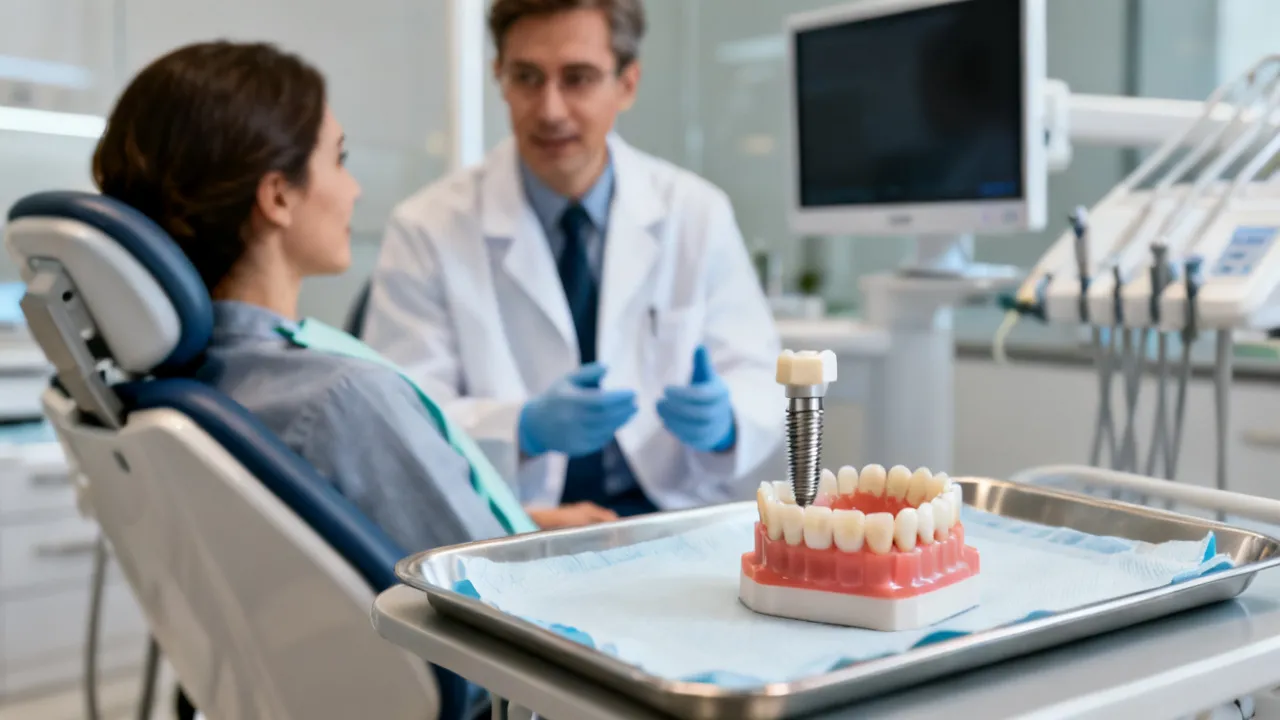
This guide explains what people usually mean by “Affordable Dental Implants,” outlines the realities of implant treatment pathways, and shows how to reduce total costs through low-cost implant programs, insurance, and dental tourism. It also compares example cost ranges across regions and provides an expert checklist before you commit.
This guide explains how people evaluate Affordable Dental Implants options that may involve discount programs, insurance coordination, or treatment financing. It reviews what dental implant care typically includes, common price drivers, and how to compare providers using objective criteria. You’ll also find cost ranges by country, a step-by-step plan for pursuing lower-cost implant treatment, and practical FAQs.
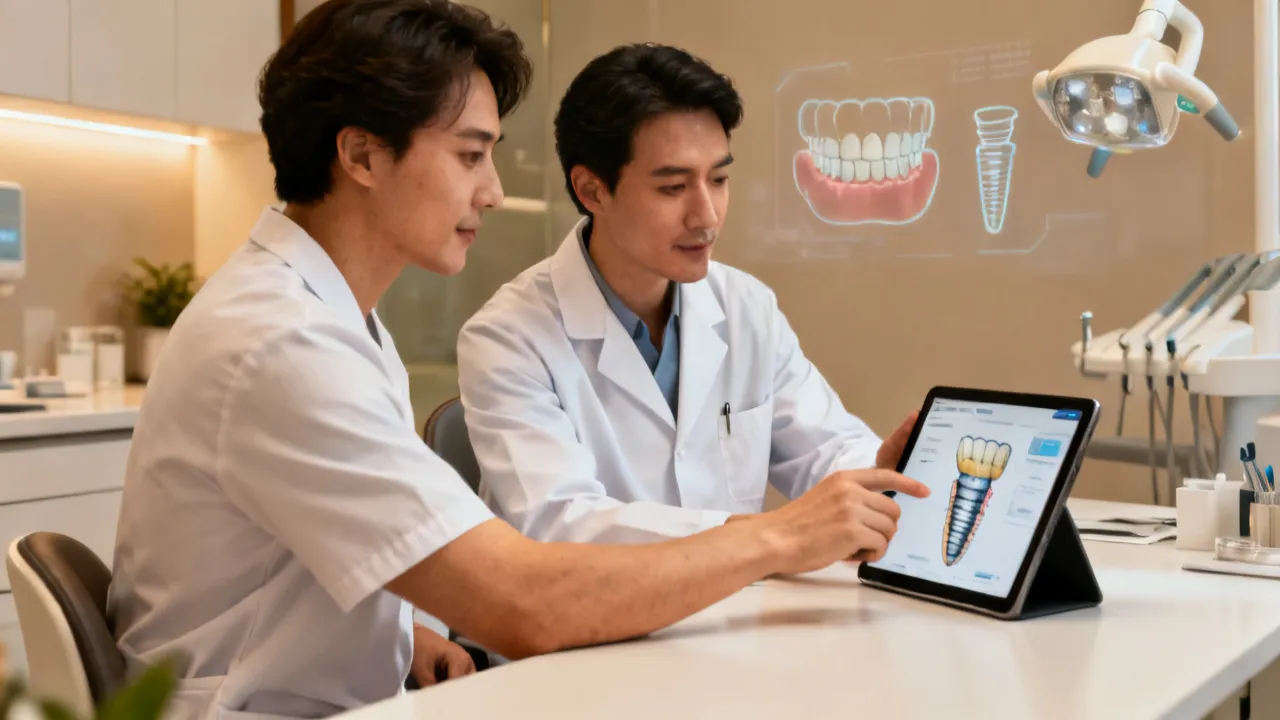
This guide explains how “Affordable Dental Implants” programs typically work in real-world dental care. It reviews objective options such as low-cost implant pathways, dental tourism considerations, and insurance-style plans, then outlines eligibility factors, selection criteria, and a practical cost-range overview across major English-, Spanish-, and Portuguese-speaking markets.
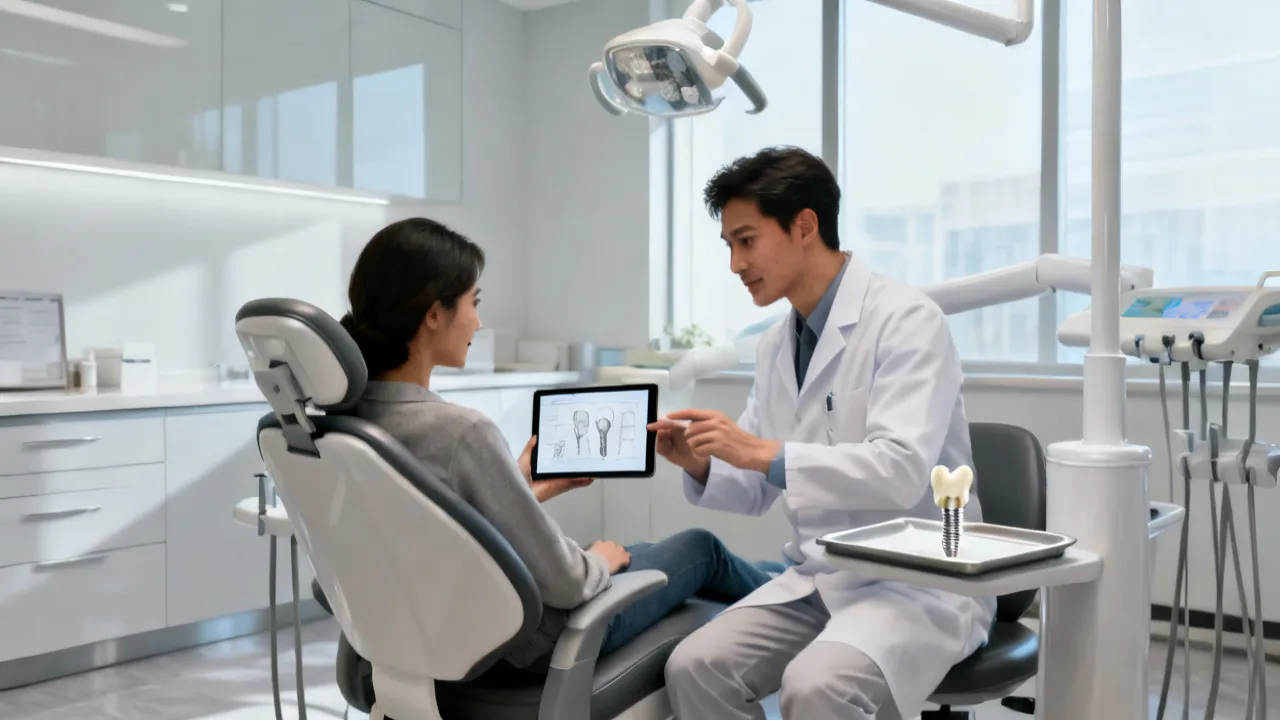
This guide explains how “Affordable Dental Implants” offers are typically structured and what patients should verify before scheduling. It also compares reputable low-cost implant information sources, outlines step-by-step pathways to reduce implant expenses, and provides practical cost-range benchmarks across major English-, Spanish-, and Portuguese-speaking countries.
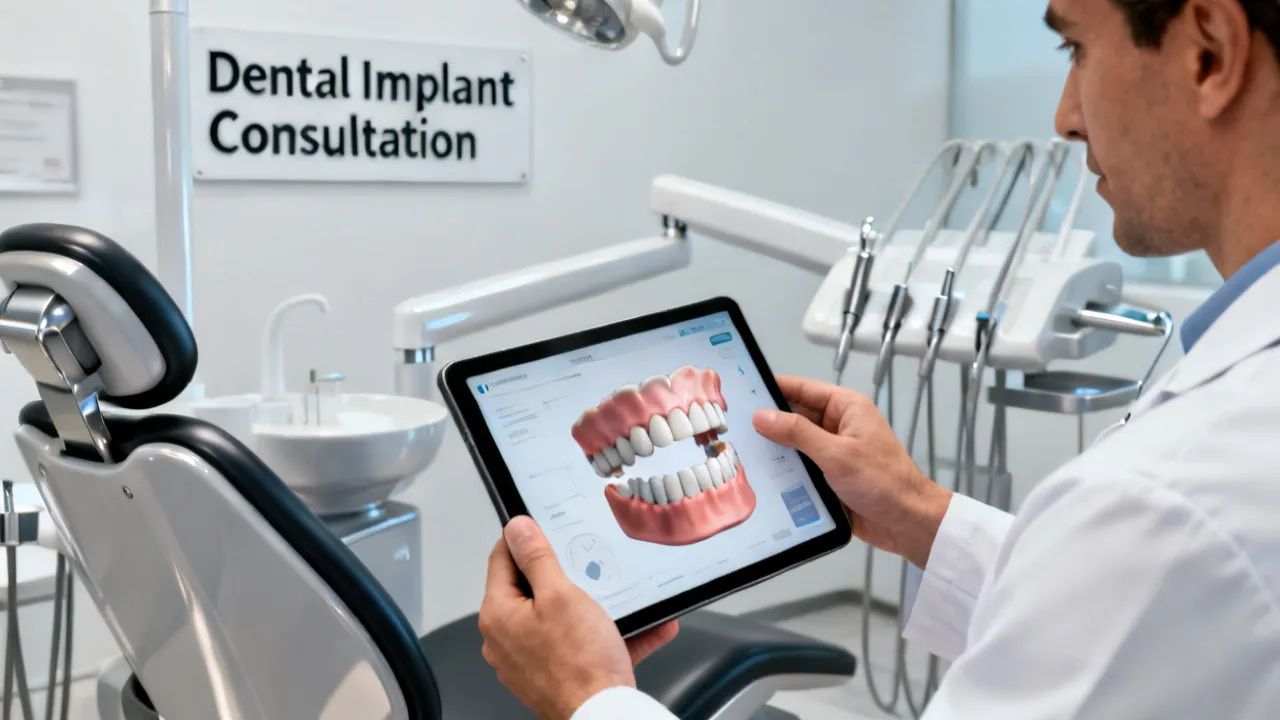
This expert guide explains how “dental implants” can be financed or obtained through lower-cost pathways, including clinic promotions, insurance planning, and dental tourism. It also compares information sources for cost-focused implant care, outlines practical steps for evaluating providers, and reviews typical single-implant cost ranges across major language regions.
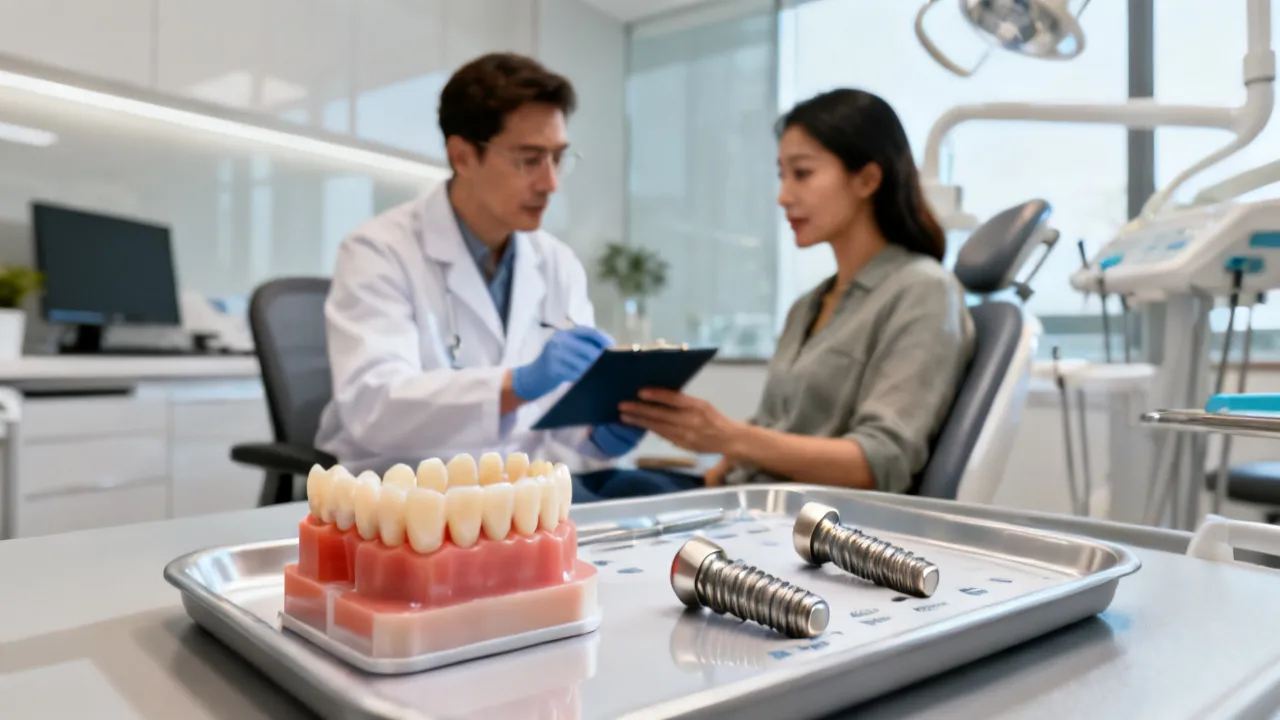
This guide explains Affordable Dental Implants options and how “low-cost” implant pathways work in English-, Spanish-, and Portuguese-speaking regions. It covers what to expect clinically, how pricing is structured, and how patients can plan for affordability through insurance, financing, and dental tourism. Clear cost ranges, vetted resources, and FAQs are included.