Leasing a car can be an appealing alternative to purchasing one, especially for those who prefer driving new vehicles with the latest technology, lower monthly payments, and the flexibility to switch cars more frequently. However, it is essential to approach car leasing with a clear understanding of the terms and conditions. This guide aims to provide expert tips to help you make an informed decision and secure a favorable lease agreement.

At its core, a car lease involves paying for the use of a vehicle over a specified period, typically 2-4 years, with the option to purchase the car at the end of the term or return it to the dealership. Unlike financing, where you eventually own the vehicle outright, leasing is more akin to renting with certain financial benefits and obligations.
1. Capitalized Cost (Cap Cost): This is essentially the vehicle's price, which can be negotiated like in a purchase. Lowering the cap cost can significantly reduce your monthly payments.
2. Residual Value: This is the estimated value of the car at the end of the lease term. A higher residual value will generally lower your monthly payments.
3. Money Factor: Equivalent to the interest rate in a loan, this factor influences the cost of leasing. A lower money factor is preferable.
4. Lease Term: The duration of the lease impacts your payments and the overall cost. Typical terms range from 24 to 48 months.
5. Mileage Allowance: Leases come with a set number of permissible miles per year, often ranging between 10,000 and 15,000 miles. Exceeding this limit can incur substantial penalties.
6. Fees and Penalties: Be aware of any additional costs such as acquisition fees, disposition fees, and fees for wear and tear.
1. Research and Compare: Start by researching various car models and leasing offers. Compare the cap cost, residual value, money factor, and associated fees from different dealerships.
2. Negotiate Terms: Just like purchasing, many aspects of a lease are negotiable. Focus your negotiation on the cap cost and the money factor for better deals.
3. Understand Mileage Limits: Choose a mileage allowance that matches your driving habits. If you typically drive more miles, it may be worthwhile to negotiate a higher allowance rather than paying excess mileage fees later.
4. Check for Incentives: Look for manufacturer lease incentives, such as reduced money factors or waivers for certain fees, which can make leasing more affordable.
5. Consider Total Cost of Ownership: Calculate the total cost, including monthly payments, insurance, maintenance, and any additional fees. It helps to compare these costs against the total cost of purchasing the vehicle outright.
6. Inspect Before Returning: At the end of your lease, inspect the vehicle for any excessive wear and tear. Address any minor repairs to avoid costly penalties.
Q1: Can I end my lease early?
A1: Yes, but early termination often incurs hefty penalties. It's essential to read the lease agreement carefully and understand the financial implications of ending the lease prematurely.
Q2: Is leasing cheaper than buying?
A2: Leasing typically offers lower monthly payments than buying. However, you never own the car, which can be more expensive in the long run if you lease continuously.
Q3: Can I negotiate a lease as I would with a car purchase?
A3: Absolutely. You can and should negotiate the cap cost, money factor, and other fees to secure the best possible deal.
Q4: What happens if I exceed my mileage limit?
A4: Exceeding the mileage limit will result in additional charges, usually calculated per mile. These costs can add up, so it's crucial to choose a mileage plan that suits your driving needs.
Leasing a car can be a strategic financial choice for many, offering lower monthly payments, the latest car models, and minimal long-term commitment. However, it's crucial to approach leasing with due diligence, understanding all the financial terms, potential fees, and conditions. By researching thoroughly, negotiating wisely, and staying informed about your lease's specifics, you can enjoy the benefits while minimizing costs and avoiding pitfalls.
For further information, you can explore resources like Edmunds (www.edmunds.com) and Kelley Blue Book (www.kbb.com). These platforms offer comprehensive details, including lease deals, negotiating tips, and car reviews, providing valuable guidance in your car leasing journey.






Viamar Osasco-focused shopping guidance for finding reliable deals and listings nearby, including how to compare vehicle conditions, costs, and dealer credibility. Viamar Osasco is a locality-centered brand name used by shoppers as a search anchor when browsing pre-owned inventories. In practice, buyers typically evaluate inventory sources, vehicle history, and total ownership costs before making an informed purchase.
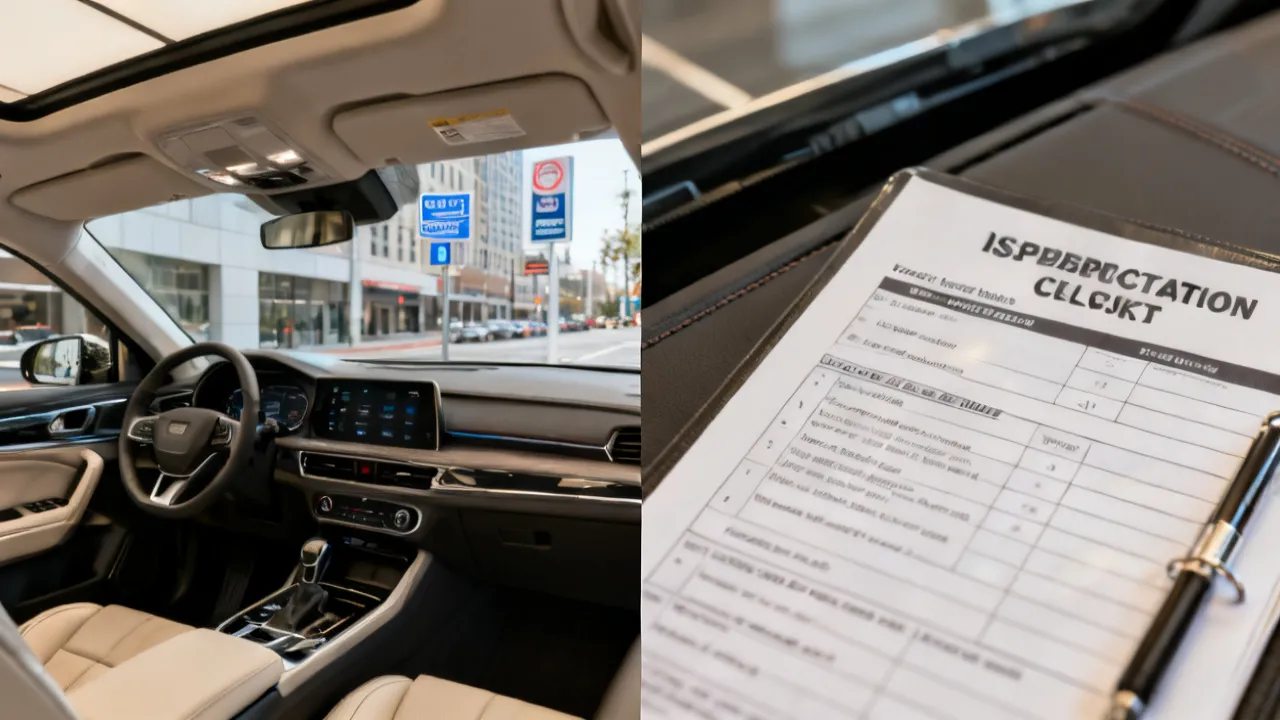
This guide explains how shoppers can evaluate and purchase a car from Viamar Osasco nearby, with a focus on reputable online trading platforms and practical deal-finding steps. Viamar Osasco is discussed as a local starting point for buyers, while major official car marketplace websites help verify inventory, pricing, and vehicle details. The aim is objective comparison and informed next steps.

This guide explains how to evaluate and buy a car with confidence using Viamar Osasco as a practical starting point, with a focus on transparent listings and careful comparison. Viamar Osasco is commonly searched by shoppers looking for accessible vehicle options nearby, while established platforms such as Cars.com, CarMax, and CaronSale aggregate inventory and facilitate research. The goal is objective decision-making, not guesswork.

Viamar Osasco shoppers can use official online car marketplaces to compare inventory, pricing, and vehicle details before visiting a dealer. This guide explains how to locate listings, interpret condition and financing terms, and reduce buying risk with practical checks. It also provides a structured comparison of major official car trading sites and a step-by-step plan for purchasing a car on sale.

Viamar Osasco is a practical starting point for people comparing used and available vehicles, financing options, and dealer workflows. This guide explains what to check before purchase, how to compare listings across official marketplaces, and how to buy a car with fewer risks. It also provides an expert-style checklist and FAQs to support informed decisions in nearby markets.
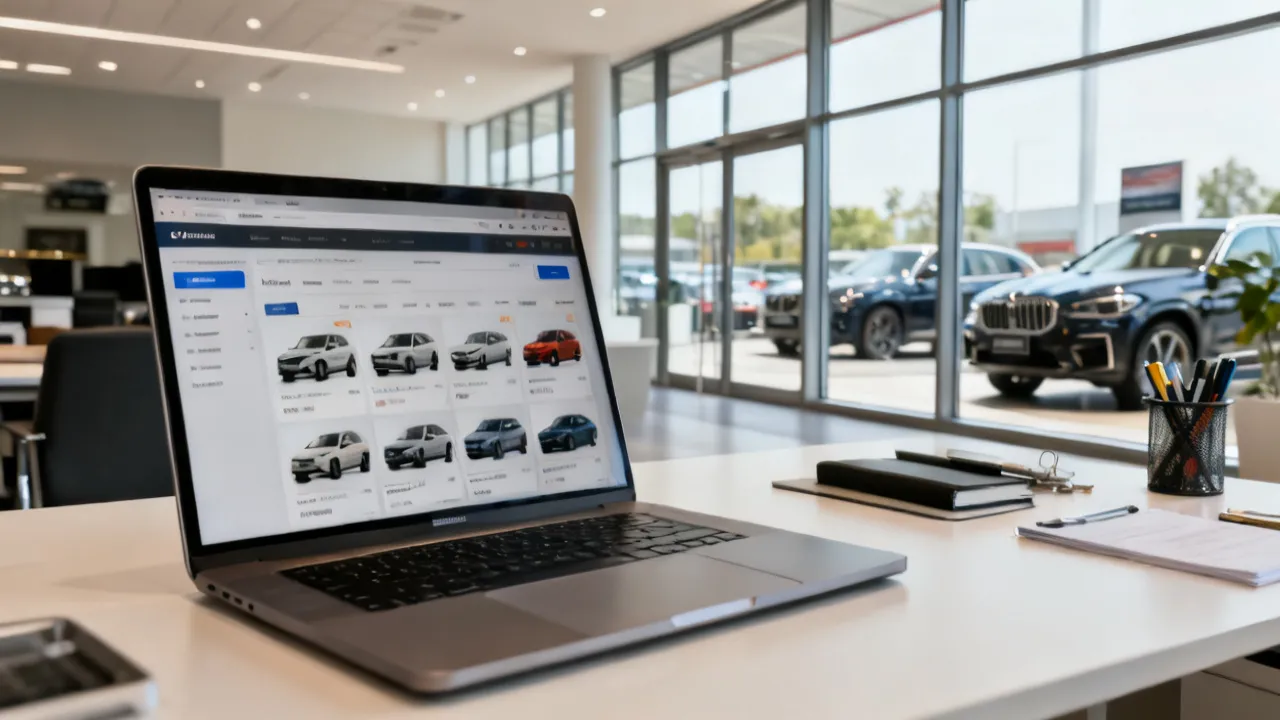
Viamar Osasco is a practical starting point for shoppers comparing listings, financing options, and vehicle conditions in the nearby market. This guide explains how reputable official dealer marketplaces work, how to assess pricing and documentation before purchase, and how to reduce risk when buying a used or inventory car. The goal is objective clarity on what to check, where to verify, and how to plan next steps.

Viamar Osasco helps shoppers evaluate used-car options nearby through clear listings, dealer standards, and structured purchasing workflows. This guide provides objective background on what Viamar Osasco typically represents in the used-car market, why online inventory matters, how to compare offers responsibly, and how to verify vehicle details before scheduling a test drive or purchase.

This guide explains how to research and buy cars on sale, using Corsa as a practical example of what to compare across listings. Corsa is commonly associated with compact, efficiency-focused driving. Objectively, the “on sale” concept reflects pricing promotions and inventory strategies used by dealers and marketplaces, where condition, mileage, and warranty terms shape the real value. You’ll also find a structured way to compare offers.
