Dental emergencies can occur unexpectedly and often lead to significant pain and discomfort. Understanding how to manage these situations effectively is crucial for maintaining oral health. This article will provide a guide on what constitutes a dental emergency, the types of emergency dental services available, and the steps you should take during a dental crisis.

A dental emergency is any situation that requires immediate attention to alleviate pain, control bleeding, treat infections, or save a tooth. Common scenarios include:
Emergency dental services vary by provider, but generally include:
A: Handle the tooth by the crown, rinse it with water, and try to place it back into the socket. If not possible, store it in milk or saline and get to a dentist within 30 minutes.
A: If you have severe swelling or a high fever accompanying dental pain, or if there is significant trauma to the face or jaw, visiting the hospital may be necessary.
A: Regular dental check-ups, maintaining proper oral hygiene, and wearing protective gear during sports can significantly reduce the risk of dental emergencies.
A: Coverage for emergency dental services can vary by insurance provider. It's advisable to check with your insurance company regarding coverage details.
Navigating dental crises can be daunting, but understanding the types of dental emergencies and knowing how to respond can significantly reduce stress and lead to successful outcomes. Familiarize yourself with local emergency dental services and keep their contact information readily available. Regular preventive care is the best strategy to minimize emergencies in the first place.
American Dental Association (ADA) - www.ada.org
The British Dental Journal - www.nature.com/bdj
Centers for Disease Control and Prevention (CDC) - www.cdc.gov






Tooth loss can significantly affect not only an individual's appearance but also their overall oral health. When a tooth is lost, the surrounding teeth can shift, leading to misalignment, increased plaque buildup, and potential periodontal issues. This article will discuss how dental implants can maintain oral health after tooth loss and provide practical guidance for individuals considering this restorative option.
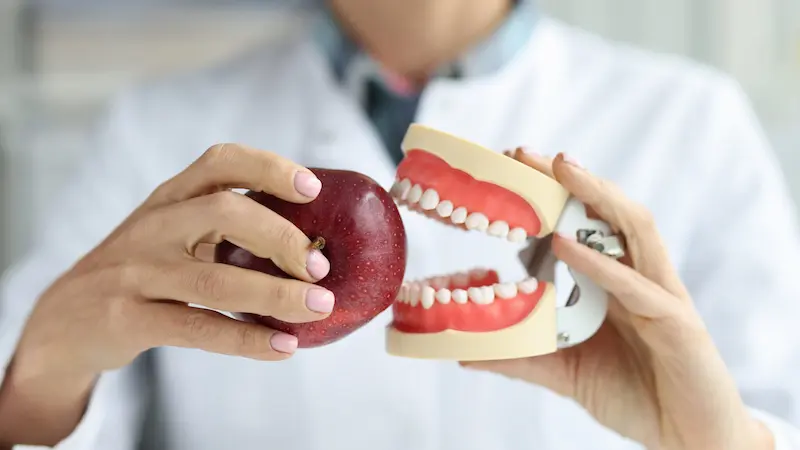
As society advances, the significance of oral health, particularly among the elderly population, has garnered increasing attention. One of the essential developments in this realm is the emergence of dental implants, which provide a viable solution for individuals suffering from tooth loss.
This article aims to provide an objective overview of the benefits, maintenance, and best practices related to dental implants for the elderly, enabling them to maintain optimal oral health.

This guide explains the practical path to affordable dental implants, discussing “muler belada” within a broader, evidence-focused dental context. It compares key information sources, summarizes cost ranges across major languages and countries, and outlines step-by-step decision criteria. You’ll also find FAQs on safety, suitability, and what “low cost” should realistically include.
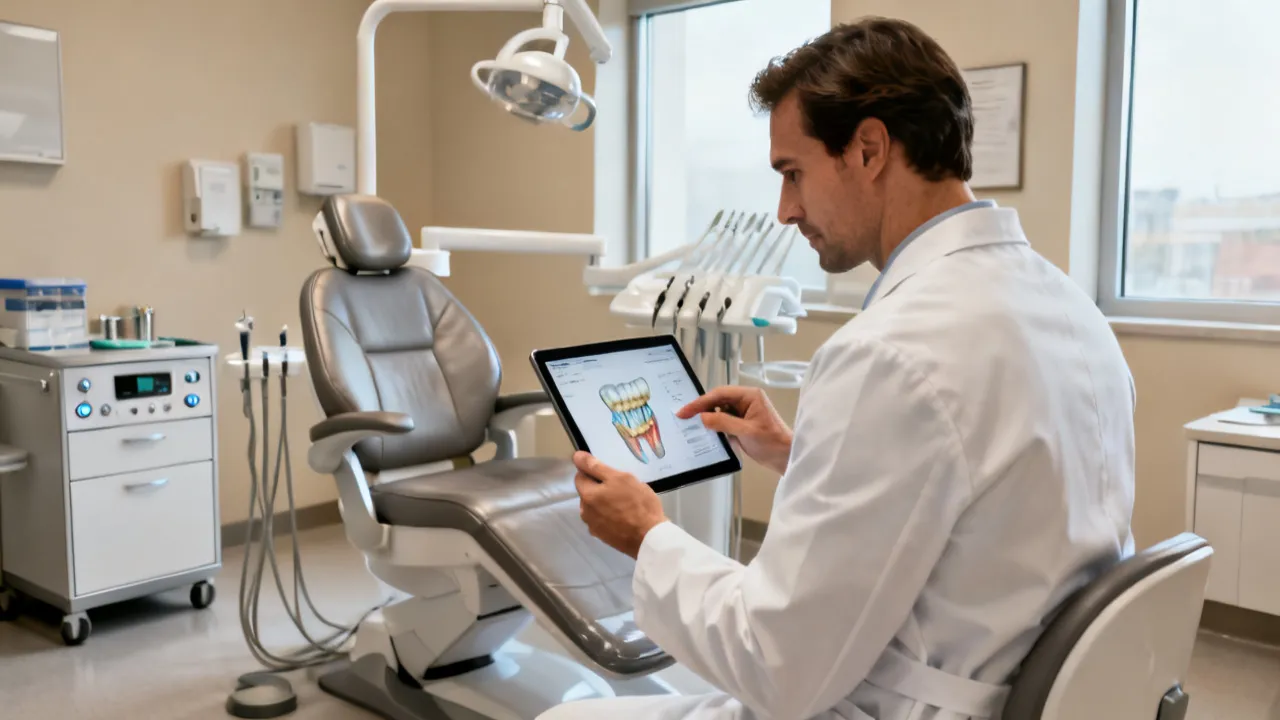
This guide explains how Ase1 relates to choosing dental implant care responsibly, with an evidence-minded view of low-cost options. It compares major information sources used by English-, Spanish-, and Portuguese-speaking patients, outlines step-by-step paths to reduce implant costs, and provides country-by-country reference price ranges (as of Oct 2023).
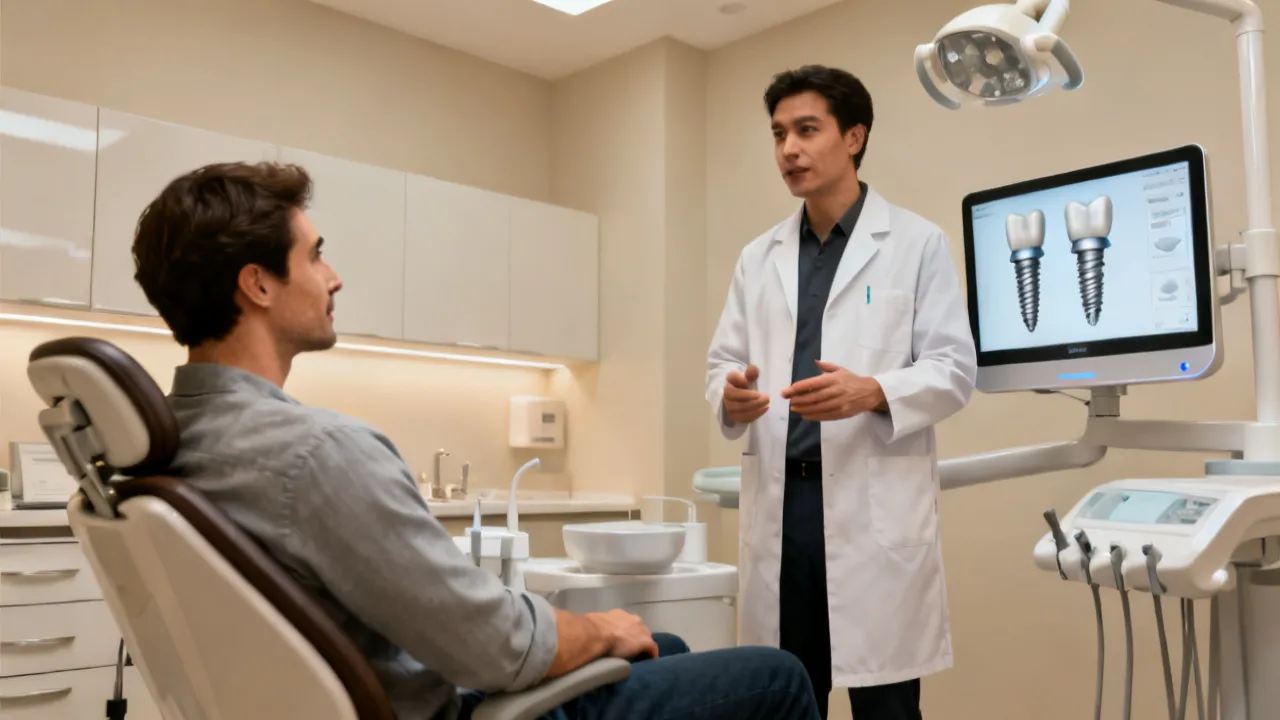
This guide explains how Poriso fits into the broader conversation about dental implants, focusing on affordability without compromising clinical decision-making. It provides an expert, objective overview of low-cost implant options across English-, Spanish-, and Portuguese-speaking countries, outlines a step-by-step affordability pathway, compares major information sources, and summarizes typical implant cost ranges.
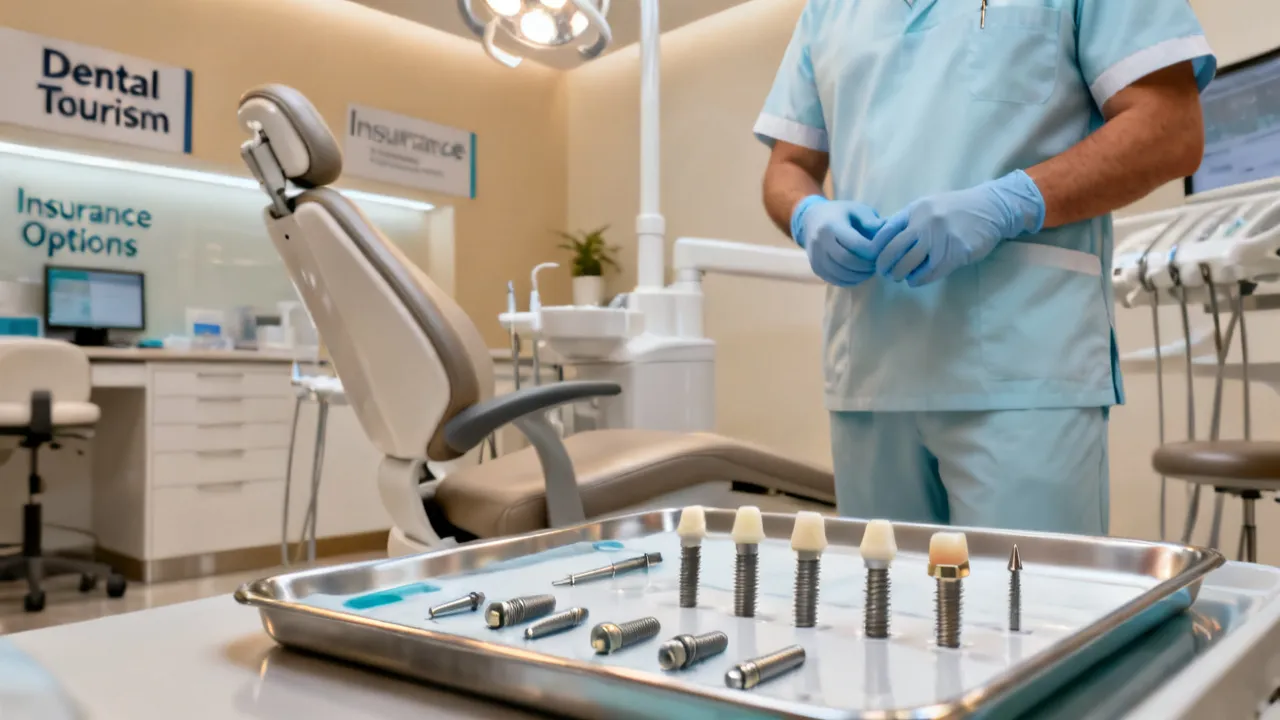
This expert guide explains low-cost dental implants and how to evaluate clinics, insurance pathways, and dental tourism options across English-, Spanish-, and Portuguese-speaking regions. It contextualizes the keyword “Franciscodachagasdosantos 075647” within an objective SEO framework, then reviews typical implant costs by country, practical steps to reduce expenses, and key risks—plus FAQs and sourcing.

This guide explains Bia dental implants with an evidence-focused look at low-cost pathways across English-, Spanish-, and Portuguese-speaking regions. It reviews how clinics, insurance, and dental tourism affect total cost, then outlines practical steps to reduce expenses without compromising safety. It also provides reference price ranges and FAQ answers.
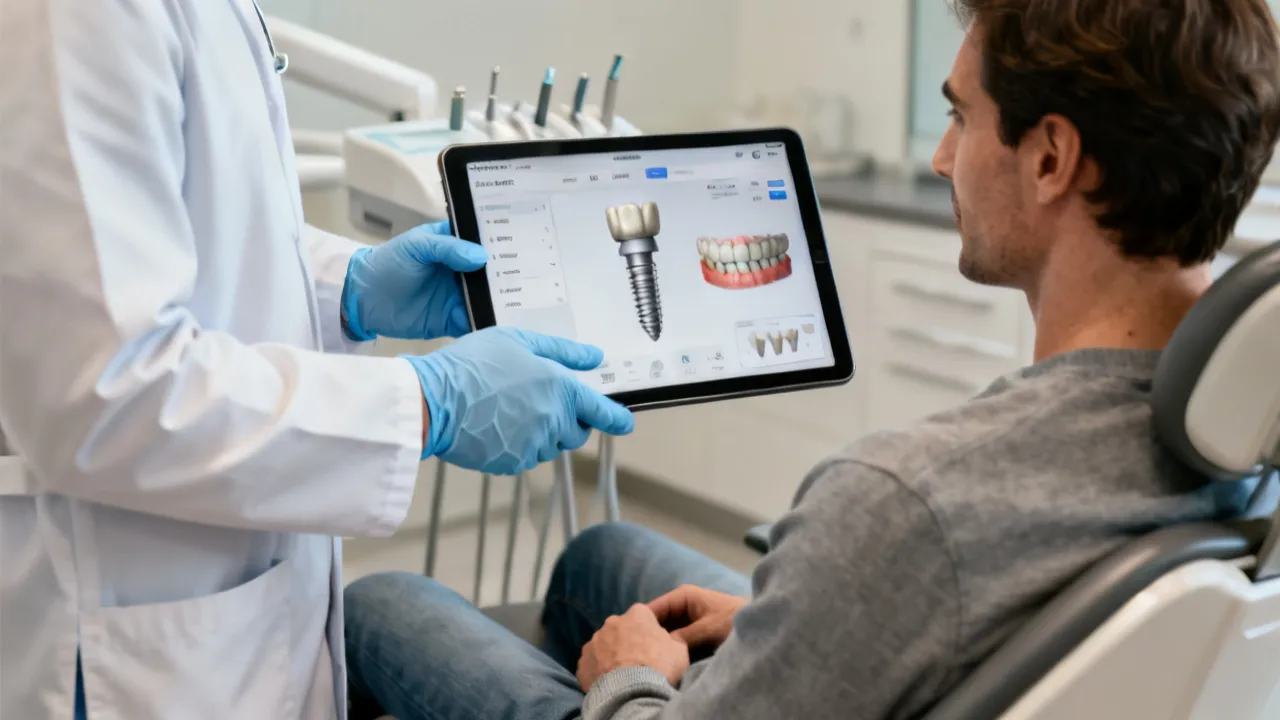
This guide explains how low-cost dental implants are evaluated, planned, and priced in major English-, Spanish-, and Portuguese-speaking markets. It compares trusted information sources, outlines step-by-step paths to affordable treatment, and gives implant-only cost ranges by country. The content is objective and updated using publicly available online references.
