In today's world, electric cars offer seniors numerous benefits. This guide provides advice and tips to help seniors transition to electric vehicles seamlessly.

Electric cars, often referred to as EVs, are vehicles powered entirely by electricity instead of gasoline. They store energy in batteries and use electric motors for propulsion, making them more environmentally friendly and often more cost-effective in the long run.
Electric cars function by drawing power from rechargeable batteries. These batteries can be charged at home or at public charging stations. The electric motor converts electrical energy into mechanical energy, causing the car to move.
One of the primary benefits of electric cars for seniors is cost savings. Since electricity is generally cheaper than gasoline, seniors can save significantly on fuel expenses. Additionally, EVs have fewer moving parts than traditional internal combustion engine vehicles, which means lower maintenance costs over time.
Electric cars produce zero tailpipe emissions, making them an environmentally conscious choice. Seniors who opt for EVs contribute to reduced air pollution, helping to ensure a healthier environment for future generations.
Electric cars require less maintenance compared to their gasoline counterparts. They do not need oil changes, and the brake systems in EVs tend to last longer due to regenerative braking systems. This can be especially beneficial for seniors, who may prefer less frequent trips to the mechanic.
Electric cars are known for their quiet operation, providing a more serene driving experience. This reduced noise level can make long trips more enjoyable and less tiring for seniors. Furthermore, many electric cars offer smooth acceleration and deceleration, contributing to overall driving comfort.
Before making a switch, seniors should evaluate their driving habits. Consider factors like daily commuting distance, frequency of long trips, and availability of charging stations in your area. Understanding these needs will help in choosing the right electric car with adequate range and capabilities.
Many public sectors offer incentives, tax credits, or rebates for purchasing electric cars. Seniors should research and take advantage of these programs to reduce the initial cost of buying an EV. Additionally, some regions provide discounts on charging infrastructure installations.
When selecting an electric car, seniors should prioritize features that enhance comfort and safety. Look for cars with easy-to-use controls, adjustable seating, and advanced driver-assistance systems such as blind-spot monitoring, lane-keeping assist, and automatic emergency braking.
Home charging is convenient and often less expensive than public charging. Seniors should consider installing a home charging station and learn about the different types of chargers available. Hiring a professional electrician to install the charger ensures safety and compliance with local regulations.
It's important for seniors to test drive multiple electric car models to find the one that top suits their needs. During test drives, pay attention to comfort, ease of use, visibility, and overall driving feel. Don’t hesitate to ask the dealership questions about the car’s range, charging time, and features.
Range anxiety, or the fear that an electric car will run out of battery before reaching a charging station, is a common concern. Modern electric cars come with significantly improved ranges, often exceeding 200 miles on a single charge. Additionally, the growing network of charging stations makes recharging more accessible than ever.
While it’s true that charging an electric car takes longer than refueling a gasoline car, advancements in charging technology have reduced this gap. Fast chargers can replenish a car’s battery to 80% in 30-60 minutes. For daily use, overnight charging at home is typically sufficient.
Switching to electric cars can offer seniors numerous benefits, including cost savings, environmental impact, and easier maintenance. By assessing their needs, exploring financial incentives, and prioritizing senior-friendly features, seniors can make a smooth transition to electric vehicles.
Remember, the key to a successful switch is planning and understanding the specific needs and features that will make driving both enjoyable and sustainable. Electric cars are not just the future of transportation; they are an accessible and practical choice for seniors today.






Leasing a car can be an appealing alternative to purchasing one, especially for those who prefer driving new vehicles with the latest technology, lower monthly payments, and the flexibility to switch cars more frequently. However, it is essential to approach car leasing with a clear understanding of the terms and conditions. This guide aims to provide expert tips to help you make an informed decision and secure a favorable lease agreement.
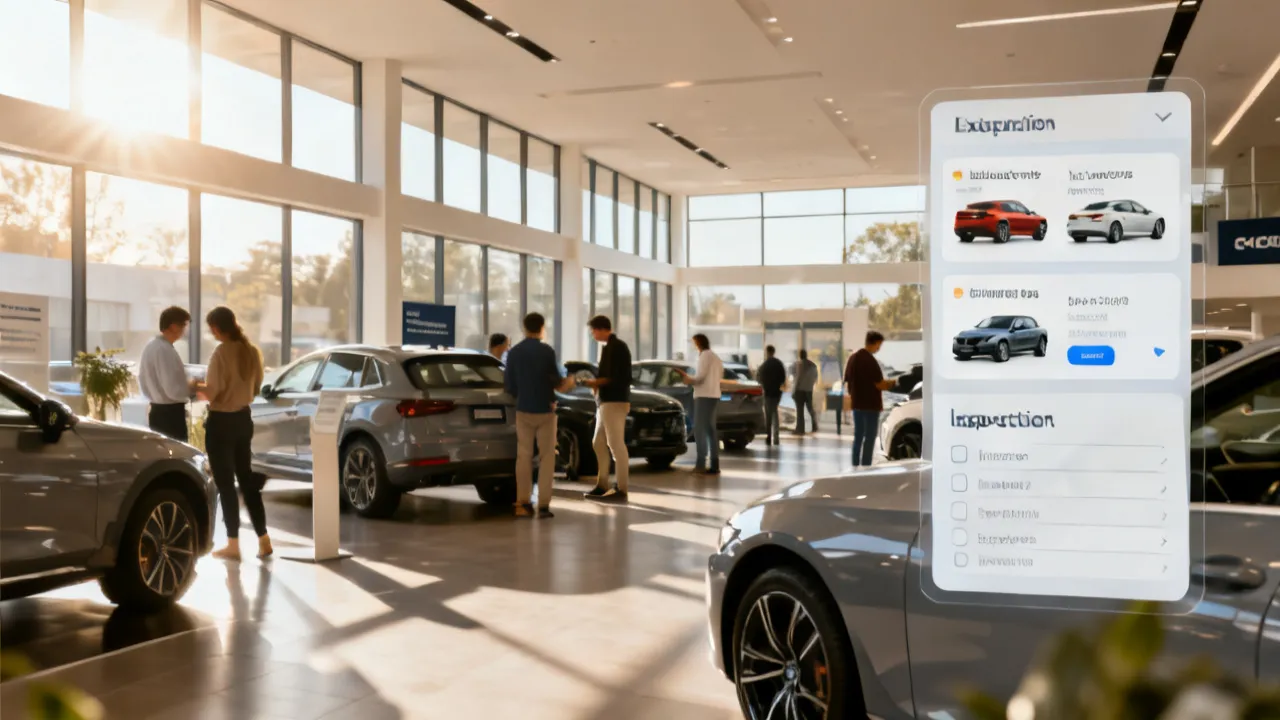
Viamar Osasco-focused shopping guidance for finding reliable deals and listings nearby, including how to compare vehicle conditions, costs, and dealer credibility. Viamar Osasco is a locality-centered brand name used by shoppers as a search anchor when browsing pre-owned inventories. In practice, buyers typically evaluate inventory sources, vehicle history, and total ownership costs before making an informed purchase.
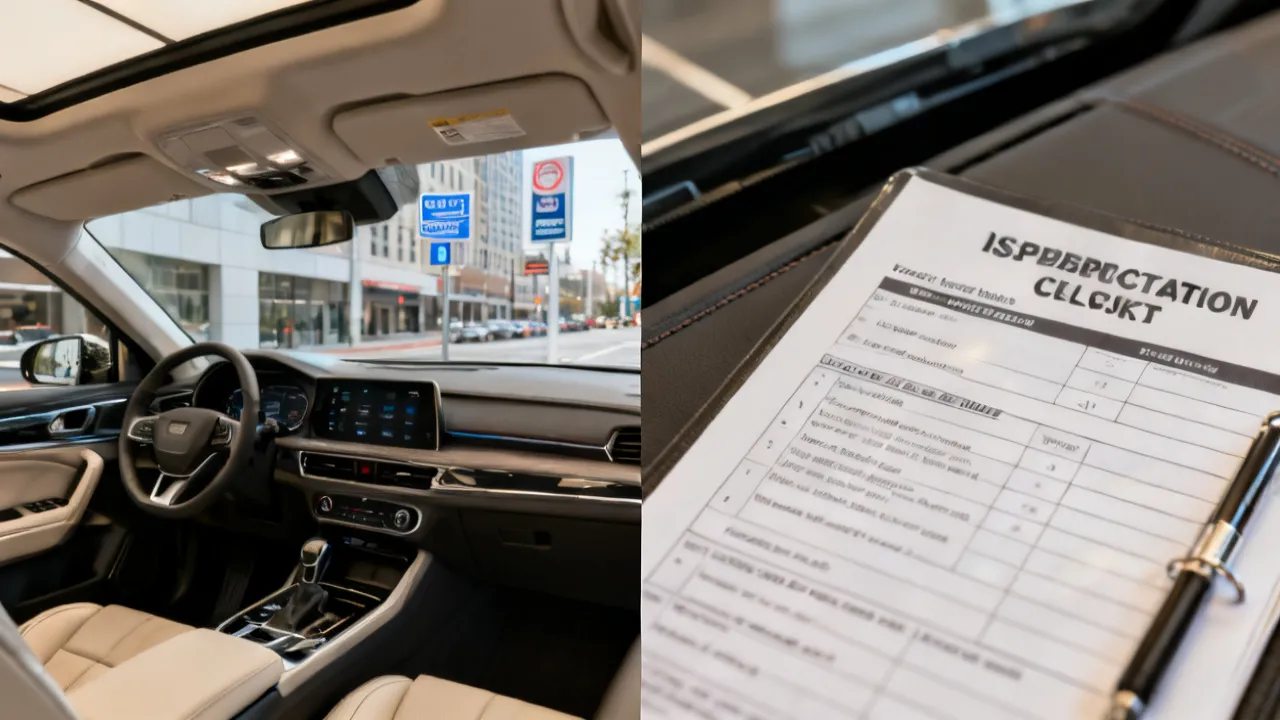
This guide explains how shoppers can evaluate and purchase a car from Viamar Osasco nearby, with a focus on reputable online trading platforms and practical deal-finding steps. Viamar Osasco is discussed as a local starting point for buyers, while major official car marketplace websites help verify inventory, pricing, and vehicle details. The aim is objective comparison and informed next steps.

This guide explains how to evaluate and buy a car with confidence using Viamar Osasco as a practical starting point, with a focus on transparent listings and careful comparison. Viamar Osasco is commonly searched by shoppers looking for accessible vehicle options nearby, while established platforms such as Cars.com, CarMax, and CaronSale aggregate inventory and facilitate research. The goal is objective decision-making, not guesswork.

Viamar Osasco shoppers can use official online car marketplaces to compare inventory, pricing, and vehicle details before visiting a dealer. This guide explains how to locate listings, interpret condition and financing terms, and reduce buying risk with practical checks. It also provides a structured comparison of major official car trading sites and a step-by-step plan for purchasing a car on sale.

Viamar Osasco is a practical starting point for people comparing used and available vehicles, financing options, and dealer workflows. This guide explains what to check before purchase, how to compare listings across official marketplaces, and how to buy a car with fewer risks. It also provides an expert-style checklist and FAQs to support informed decisions in nearby markets.
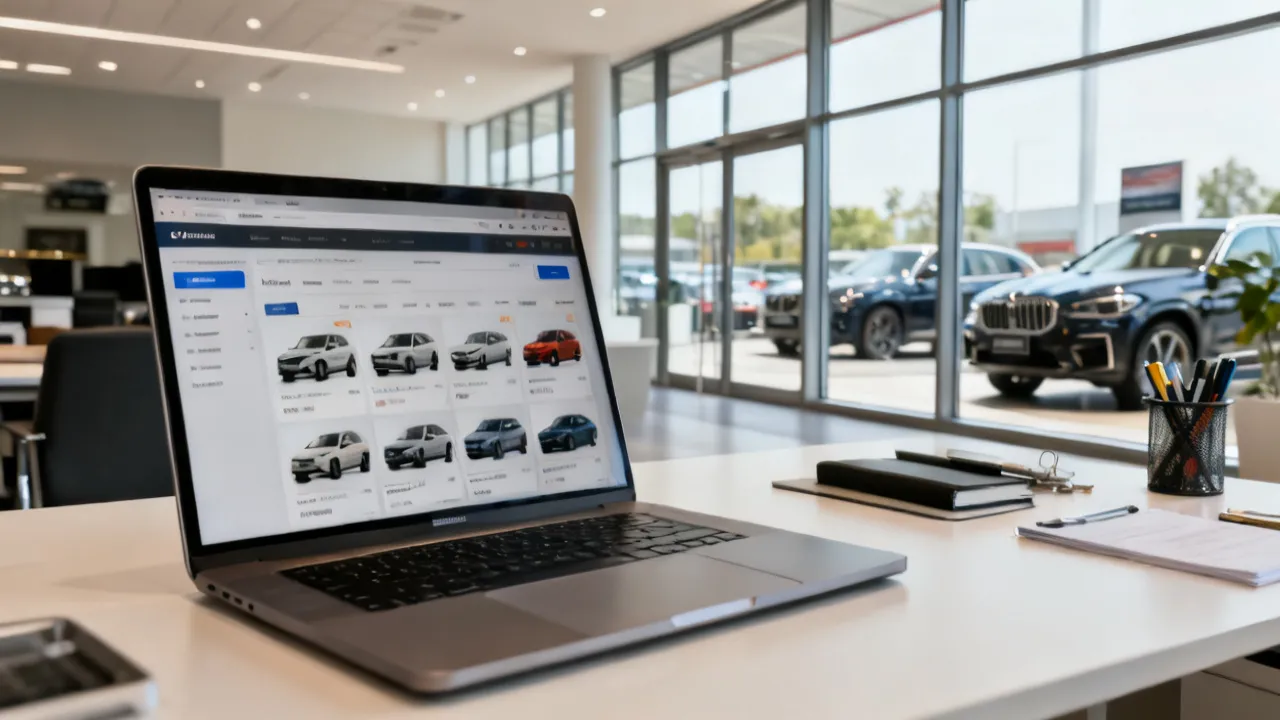
Viamar Osasco is a practical starting point for shoppers comparing listings, financing options, and vehicle conditions in the nearby market. This guide explains how reputable official dealer marketplaces work, how to assess pricing and documentation before purchase, and how to reduce risk when buying a used or inventory car. The goal is objective clarity on what to check, where to verify, and how to plan next steps.

Viamar Osasco helps shoppers evaluate used-car options nearby through clear listings, dealer standards, and structured purchasing workflows. This guide provides objective background on what Viamar Osasco typically represents in the used-car market, why online inventory matters, how to compare offers responsibly, and how to verify vehicle details before scheduling a test drive or purchase.
