Maintaining good oral health is crucial for seniors, not only for overall well-being but also to prevent various health complications. However, accessing dental care can be a significant burden due to high costs, particularly for those on a fixed income. Here are several practical tips for seniors to help minimize dental expenses while ensuring they receive the necessary care.
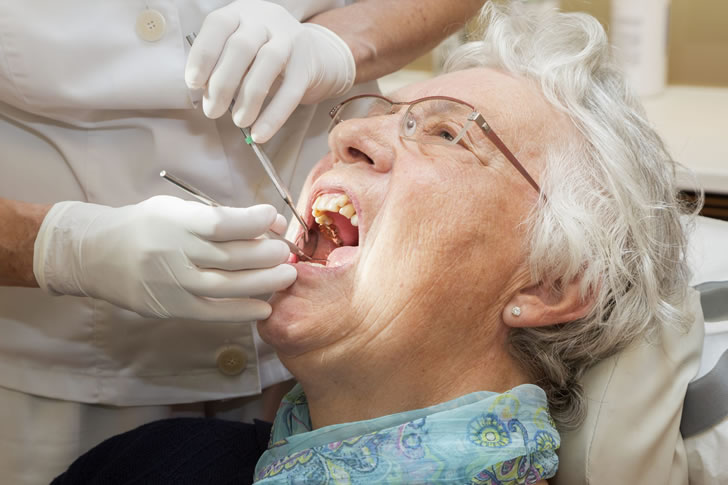
Many dental insurance plans are designed specifically for seniors. These plans often provide coverage for preventive care, such as routine cleanings and exams, at little to no cost. It’s wise to carefully review the options available through Medicare, Medicaid, or stand-alone dental plans.
Several non-profit organizations and community health centers offer low-cost dental services. These clinics often cater to individuals with low income and can provide essential services like check-ups, fillings, and extractions at a fraction of the cost found in private practices.
Discount dental plans can be an economical alternative to traditional insurance. When enrolling in such plans, members pay an annual fee and receive discounts ranging from 10% to 60% on various dental services. It’s important to evaluate different plans and find one that best suits your dental needs.
Preventive care is often less expensive than treatment for dental issues that may arise if regular check-ups are neglected. Scheduling regular visits can help catch problems early before they develop into more serious and costly conditions.
Maintaining proper oral hygiene can significantly reduce the need for extensive dental treatments. Seniors should brush twice a day and floss daily. Additionally, using fluoride toothpaste and mouthwash can help strengthen enamel and prevent tooth decay.
Many dental schools have clinics where dental students provide care under the supervision of licensed professionals. These services are often available at a reduced rate, offering a quality alternative for seniors seeking affordable dental care.
Many dental practices offer senior discounts or special rates for older adults. It’s always worth asking your dentist if such discounts are available, especially for routine services like cleanings and exams.
If dental treatment is necessary but costs are prohibitive, inquire about payment plans. Many dentists are willing to work with patients to provide manageable options for paying for expensive procedures over time.
Q: What should I do if I can’t afford dental care?
A: Look into community health clinics, dental schools, and nonprofit organizations that offer free or low-cost dental services.
Q: How can I get dental care if I am on Medicare?
A: Medicare does not generally cover routine dental care. However, certain situations related to dental surgery may be covered. Check with your Medicare plan for specific options and look into supplemental dental insurance.
Q: Are there any special dental care products for seniors?
A: Yes, there are products specially designed for seniors such as soft-bristle toothbrushes, toothpaste with fluoride, and mouthwashes that help combat dry mouth.
Navigating dental care can be challenging for seniors, but with these tips, it’s possible to maintain oral health while keeping costs manageable. From exploring insurance options to utilizing community services, seniors have various resources at their disposal. Always prioritize regular check-ups and practice good dental hygiene to promote lasting health.
For further insights into affordable dental care options for seniors, consider visiting the following resources:






Tooth loss can significantly affect not only an individual's appearance but also their overall oral health. When a tooth is lost, the surrounding teeth can shift, leading to misalignment, increased plaque buildup, and potential periodontal issues. This article will discuss how dental implants can maintain oral health after tooth loss and provide practical guidance for individuals considering this restorative option.
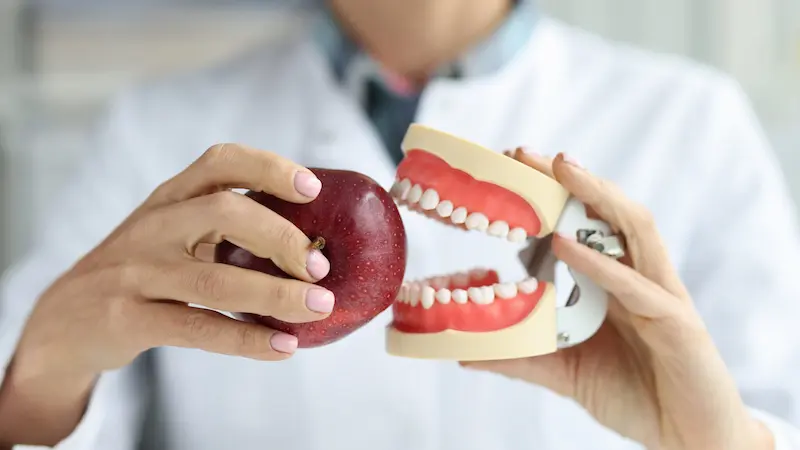
As society advances, the significance of oral health, particularly among the elderly population, has garnered increasing attention. One of the essential developments in this realm is the emergence of dental implants, which provide a viable solution for individuals suffering from tooth loss.
This article aims to provide an objective overview of the benefits, maintenance, and best practices related to dental implants for the elderly, enabling them to maintain optimal oral health.
This guide explains the practical path to affordable dental implants, discussing “muler belada” within a broader, evidence-focused dental context. It compares key information sources, summarizes cost ranges across major languages and countries, and outlines step-by-step decision criteria. You’ll also find FAQs on safety, suitability, and what “low cost” should realistically include.
This guide explains how Ase1 relates to choosing dental implant care responsibly, with an evidence-minded view of low-cost options. It compares major information sources used by English-, Spanish-, and Portuguese-speaking patients, outlines step-by-step paths to reduce implant costs, and provides country-by-country reference price ranges (as of Oct 2023).
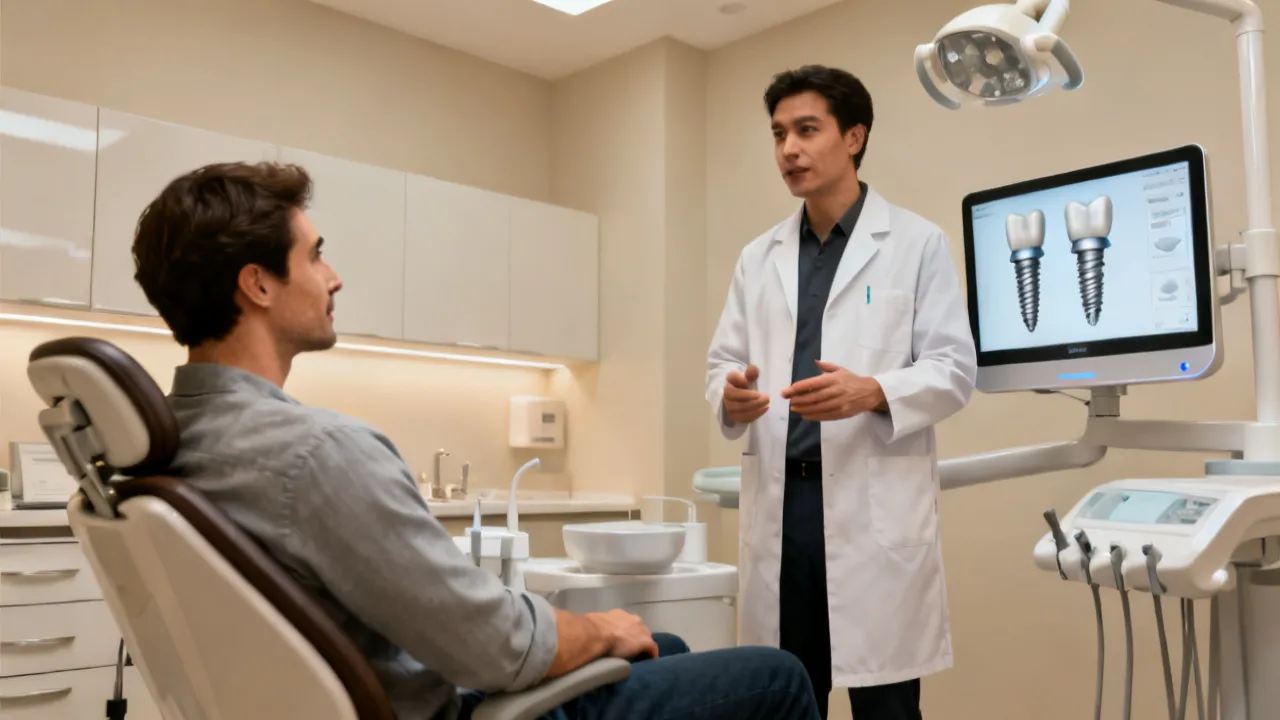
This guide explains how Poriso fits into the broader conversation about dental implants, focusing on affordability without compromising clinical decision-making. It provides an expert, objective overview of low-cost implant options across English-, Spanish-, and Portuguese-speaking countries, outlines a step-by-step affordability pathway, compares major information sources, and summarizes typical implant cost ranges.
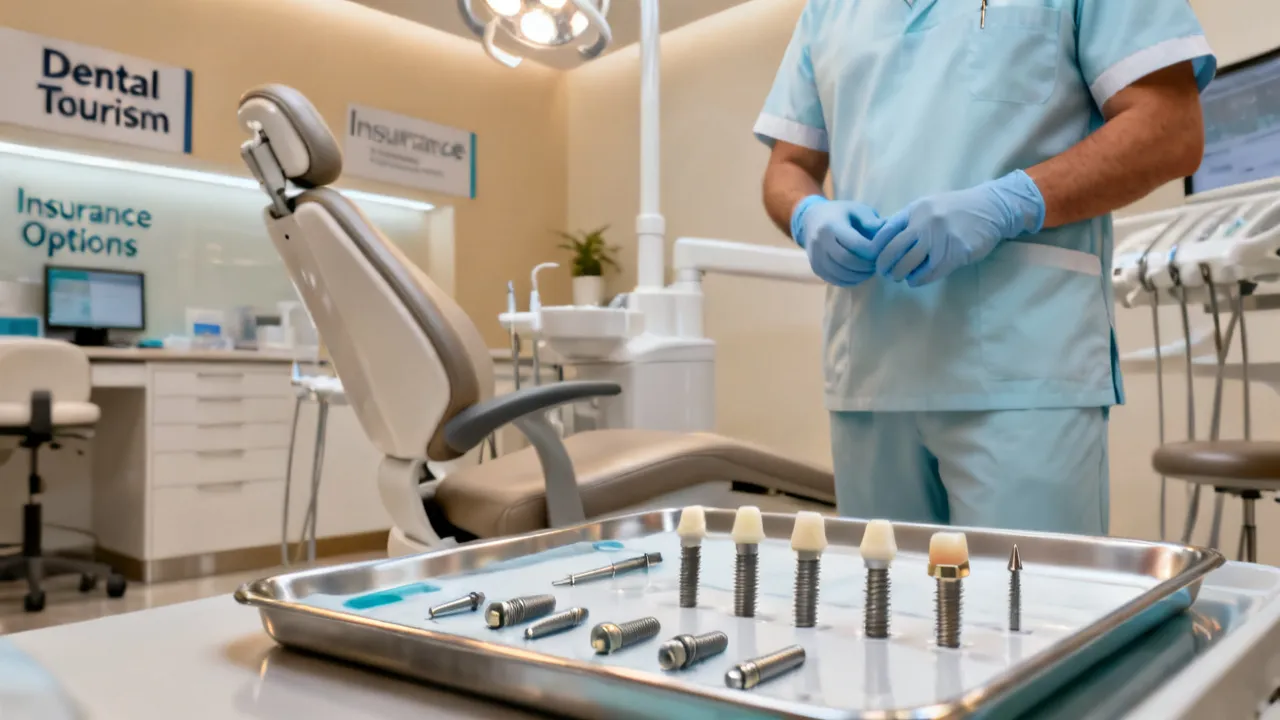
This expert guide explains low-cost dental implants and how to evaluate clinics, insurance pathways, and dental tourism options across English-, Spanish-, and Portuguese-speaking regions. It contextualizes the keyword “Franciscodachagasdosantos 075647” within an objective SEO framework, then reviews typical implant costs by country, practical steps to reduce expenses, and key risks—plus FAQs and sourcing.
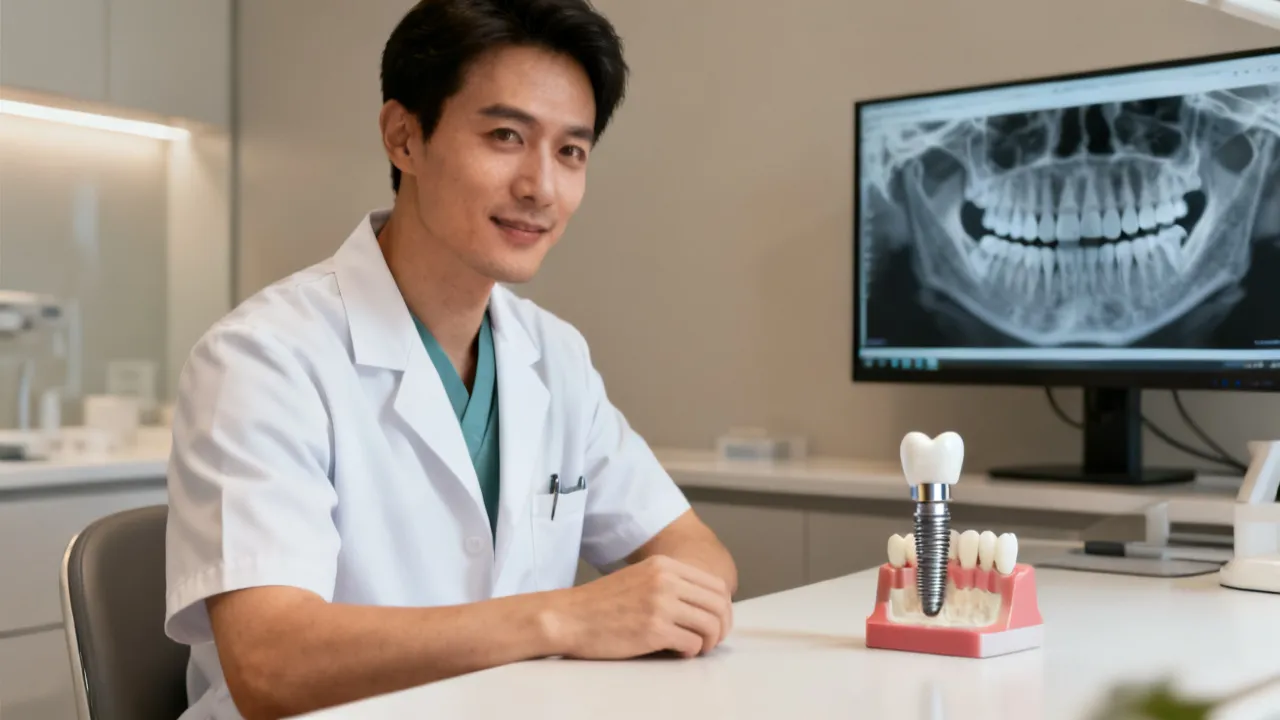
This guide explains Bia dental implants with an evidence-focused look at low-cost pathways across English-, Spanish-, and Portuguese-speaking regions. It reviews how clinics, insurance, and dental tourism affect total cost, then outlines practical steps to reduce expenses without compromising safety. It also provides reference price ranges and FAQ answers.
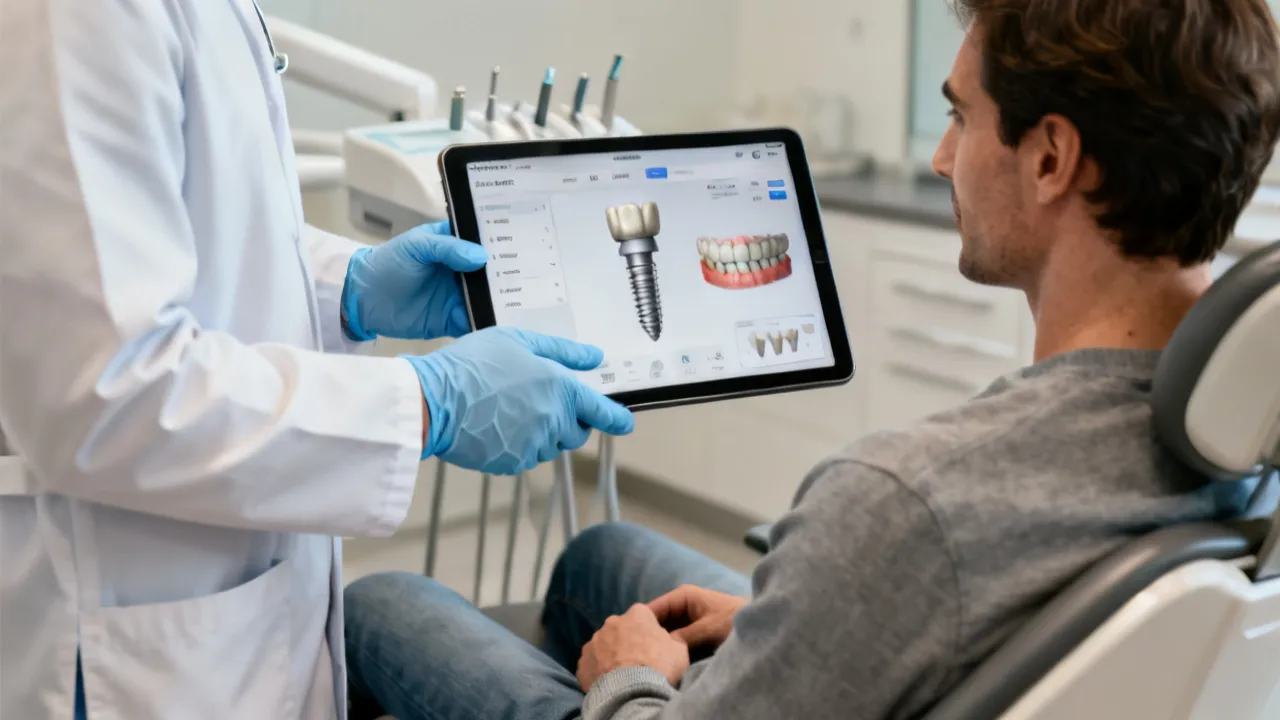
This guide explains how low-cost dental implants are evaluated, planned, and priced in major English-, Spanish-, and Portuguese-speaking markets. It compares trusted information sources, outlines step-by-step paths to affordable treatment, and gives implant-only cost ranges by country. The content is objective and updated using publicly available online references.
